Contact
  Locations
 .png) Call
Call Oral Immunotherapy (OIT) for Food Allergy in Coronado, CA
A Coronado consultation about oral immunotherapy begins by confirming the food-allergy diagnosis and defining the family’s goal.


Clinical Overview
About Oral Immunotherapy in Coronado
Oral immunotherapy uses carefully measured amounts of a confirmed food allergen to raise the reaction threshold while treatment continues. OIT is not a cure; reactions can occur, and avoidance, prescribed epinephrine, daily dosing rules, and emergency planning remain necessary.
Asthma control, gastrointestinal history, prior reactions, daily routines, and the ability to follow written dosing rules all affect suitability.
The consultation should also clarify alternatives and where each treatment stage is actually provided.
For a broader clinical overview, read the oral immunotherapy guide.
Local clinic: Modena Health Coronado, 230 Prospect Place, Suite 220, Coronado, CA 92118. Phone: 619-704-7577.
Clinical references: AAAAI: Current State of OIT and FDA: PALFORZIA.
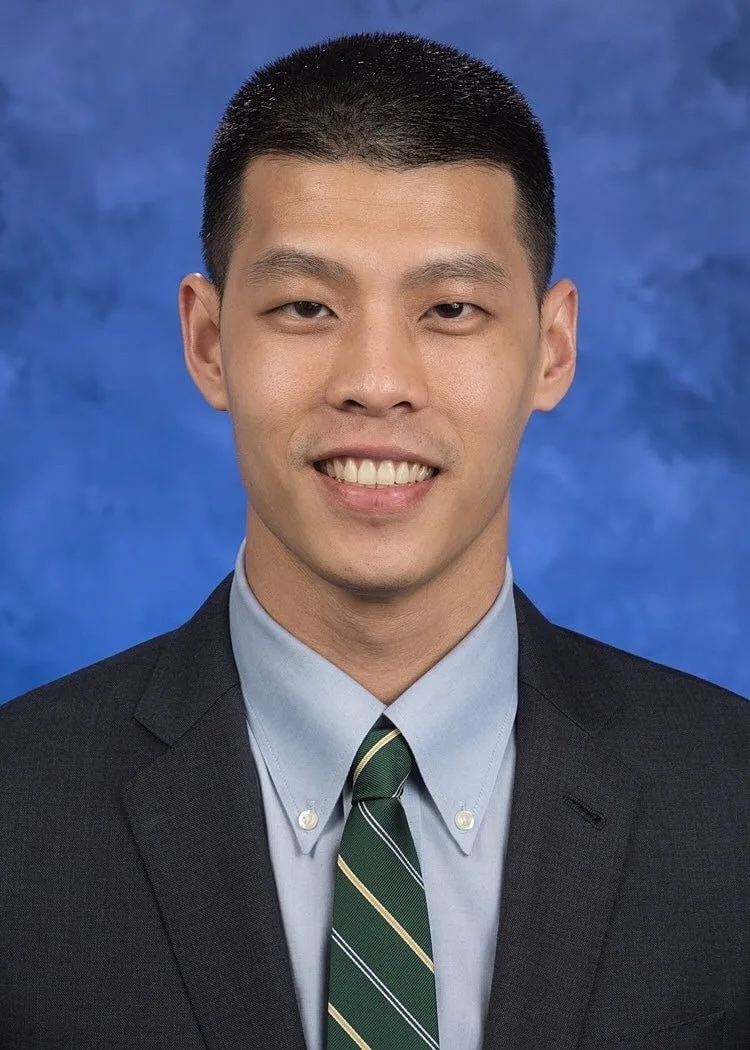
Coronado Allergy Team
Allergists for Food Allergy Treatment Questions
Frequently Asked Questions
Oral Immunotherapy Questions in Coronado
The consultation confirms the diagnosis, defines a realistic treatment goal, and reviews asthma control, gastrointestinal history, daily routines, risks, alternatives, and the family’s ability to follow a long-term protocol.
Initial doses and planned increases require supervision. At home, patients use only the exact written dose and contact the care team for missed doses, illness, an asthma flare, a reaction, or uncertainty rather than changing or restarting treatment independently.
Relevant information includes food-allergy records and prior challenge or test results, prescribed epinephrine and the current action plan, and school, caregiver, schedule, and travel questions that affect daily dosing. This context helps the clinician focus on evidence that can change diagnosis, treatment, or day-to-day care.
Appointments & Insurance
Scheduling made easy for your experience.
We work with many major insurance carriers.





Don’t see your carrier?
Insurance participation varies by plan, provider, network, and location. Please contact our team with your insurance card to confirm current participation.
Ready to schedule?
Call us or submit an online appointment request.
Have questions about insurance?
Have your insurance card ready and our team can help confirm current participation.
Is this a medical emergency?
Call 911 and follow your prescribed emergency action plan. Please do not use this form for emergencies.
 Request an Appointment
Live Well
Request a consultation with our Coronado team.