Contact Locations Call

Food Allergy Immunotherapy in La Jolla, San Diego

Food Allergy Immunotherapy in La Jolla, San Diego helps patients review whether food allergy immunotherapy discussions fit the patient’s history, risk, and care goals. The visit should be guided by symptom timing, exposure history, prior reactions, and the level of risk, not by a one-size-fits-all panel.

Person enjoying tacos and food at restaurant.

Planning food allergy immunotherapy in La Jolla

For La Jolla and San Diego patients, care often has to work around coastal exposures, medical-campus schedules, UC San Diego-area traffic, and specialty appointments near Genesee Avenue. This page keeps the service path anchored to the La Jolla office.

Patients in La Jolla, UTC, University City, and central San Diego communities can use this page to review whether immunotherapy discussions fit the patient’s food allergy history, reaction risk, and care goals. The goal is to move from a broad symptom or diagnosis question to the most relevant local next step, without forcing every patient through the same sequence.

Before scheduling or discussing food allergy immunotherapy, write down symptom timing, suspected exposures, prior test results, current medications, and any severe reaction history. Bringing those details to the La Jolla care team makes the appointment more useful and helps avoid unnecessary or poorly targeted testing.

This local page also helps connect related care paths: food allergy, allergy testing, blood testing, and oral immunotherapy pages. If the topic on this page is not the best match, use the local navigation to move to the closer service page or return to the La Jolla location page.

Food Allergy Immunotherapy in La Jolla

A local plan for La Jolla and San Diego patients

Food Allergy Immunotherapy in La Jolla should be specific to the patient history, not copied from a generic allergy checklist. At Modena Allergy + Asthma - La Jolla, the visit starts with which foods are avoided, reaction severity, epinephrine use, school or travel risks, and whether the family can support a structured program. The team also reviews marine layer, eucalyptus and grass pollen, canyon dust, indoor humidity, and coastal mold exposure because local exposures can change how symptoms behave from one neighborhood to another.

Patients coming from students, working families, and coastal patients from UTC, University City, Torrey Pines, and Clairemont often need a plan that works around school, work, commute, travel, and home routines. For food allergy immunotherapy, the goal is a careful plan for risk reduction, emergency readiness, and whether immunotherapy is appropriate for the patient situation. The clinic is in the Ximed medical building near UC San Diego Health, so patients should plan extra time for parking and elevator access before testing visits.

What We Review

What we review locally: food reaction history, targeted test review, emergency plan review, dosing-readiness discussion, and shared decision-making around treatment goals. The visit also connects symptoms to marine layer, eucalyptus and grass pollen, canyon dust, indoor humidity, and coastal mold exposure, current medications, and any prior testing that may have been too broad, outdated, or disconnected from the real symptom pattern.

How to Prepare

What to bring: food reaction history, epinephrine devices, school forms, prior testing, ingredient labels, and a list of avoided foods. If you have already seen urgent care, an ENT, a pediatrician, a pulmonologist, or a previous allergist, bring those records so the La Jolla and San Diego team can avoid repeating work and focus on the next useful step.

Local Care Details

Food Allergy Immunotherapy with Modena Allergy + Asthma

9850 Genesee Ave, # 710, La Jolla, CA 92037 is the local reference point for this care page. Call (858) 260-2977 if you need help choosing the right appointment type or confirming whether testing should be planned at the first visit.

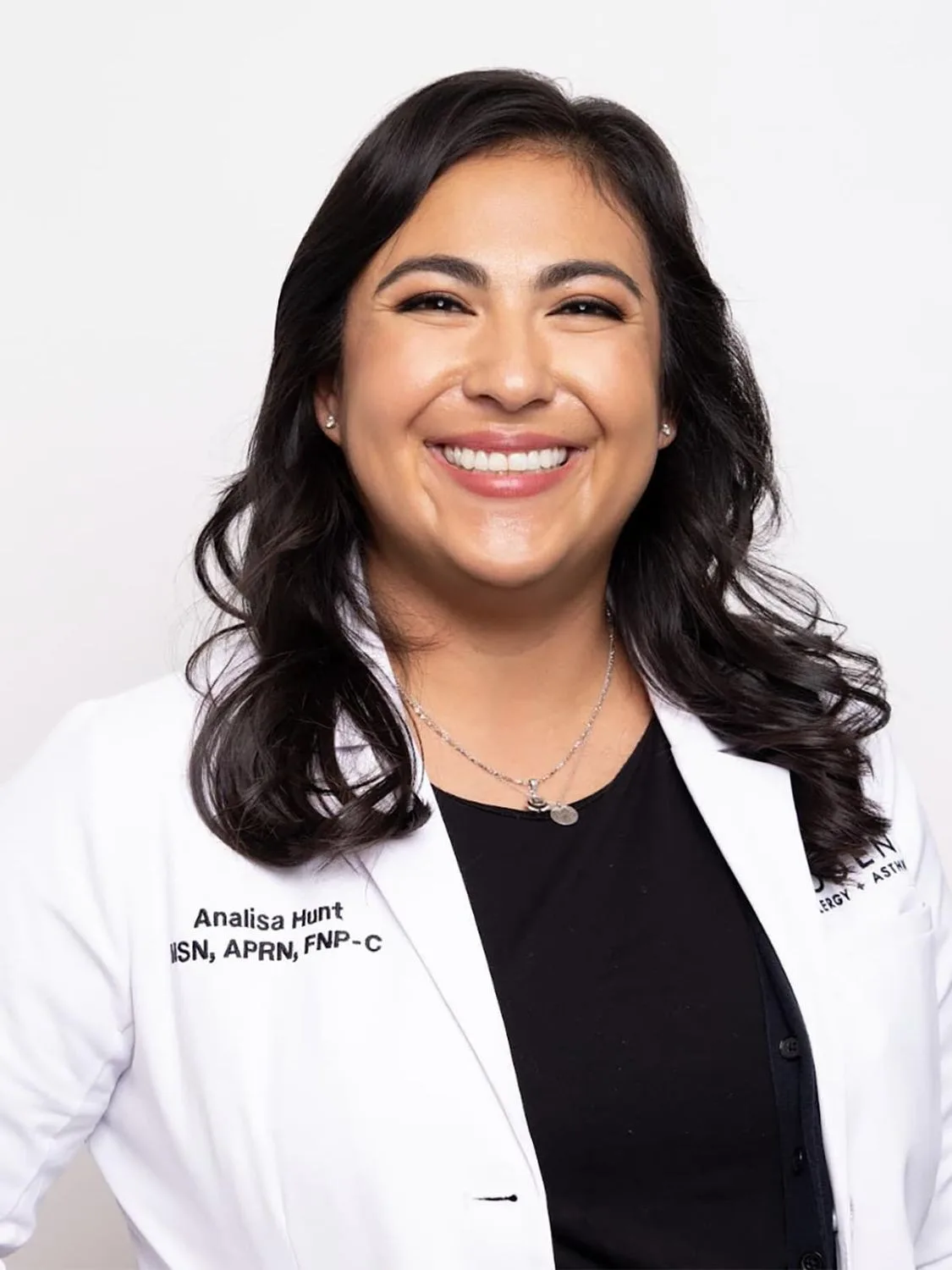
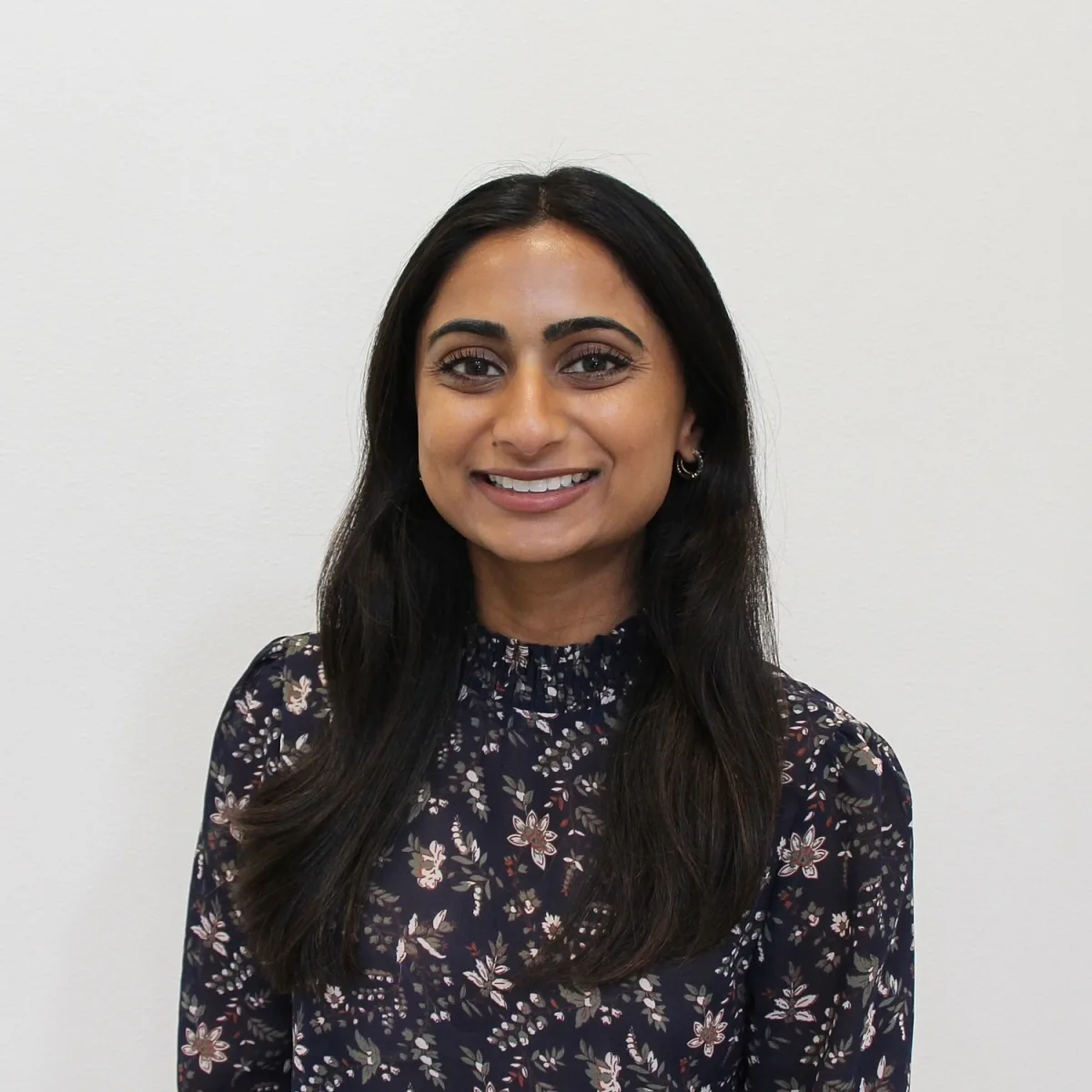
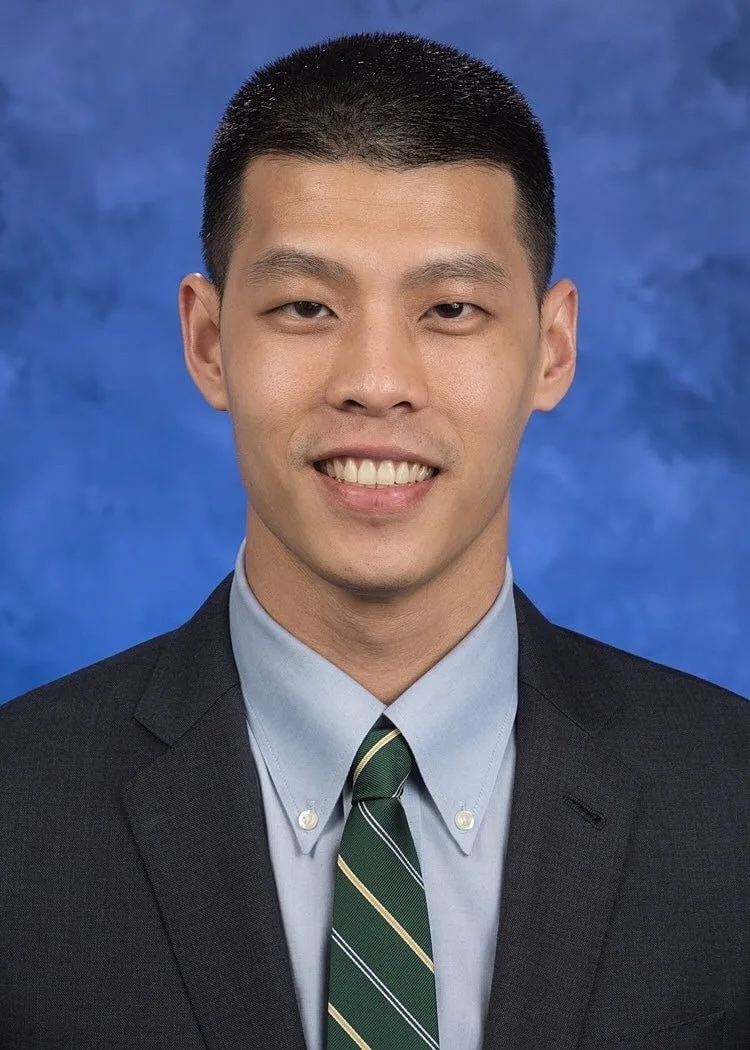
Dr. Brian Modena, Dr. Ali Doroudchi, Dr. Analisa Hunt, Dr. Toan Do, Samantha Arnold, and Tanha Patel help patients connect symptoms, test results, treatment response, and follow-up. For food allergy immunotherapy, that means the page should answer local questions, not just repeat the same national overview.

Food immunotherapy requires supervision and consistency, so the decision should account for safety, lifestyle, and family readiness. After the visit, patients usually leave with a written next step, whether that means testing, medication changes, immunotherapy discussion, emergency planning, or follow-up monitoring.

Food Allergy Immunotherapy

Frequently Asked Questions

Food immunotherapy is increasingly recognized as an effective treatment for food allergies, and its popularity is growing among allergists and patients alike.

Food immunotherapy is supervised when administered under the supervision of a qualified allergist or trained nurse practitioner. Systemic and serious allergic allergic reactions may occur, but they are uncommon and typically easily treated at home without going to the ED. Sublingual Immunotherapy (SLIT) is a less aggressive form of food immunotherapy than Oral Immunotherapy (OIT) and carries less risk of allergic reactions. It is uncommon that a child will have an serious allergic reaction caused by food immunotherapy.

Some patients will develop the ability to eat freely and demonstrate "longer-term care goals" to foods they were previously allergic to. In others, it may only increase the reaction threshold (the amount of allergen that a patient can consume with no allergic reaction) and reduce the severity of reactions.

The cost of food immunotherapy can vary depending on individual factors and treatment duration. During your consultation, we will provide detailed information about the treatment costs.

In general, commercial and government insurance providers do not cover the costs of food immunotherapy.

What to Expect at Your Local Care Visit

Care in San Diego

At our San Diego clinic, treatment visits begin with a review of your diagnosis, prior care, current symptoms, and daily needs. Your provider explains available care paths, what to expect during follow-up, and how the plan can be adjusted over time.