Contact
  Locations
 .png) Call
Call Food Allergy Testing and Care in La Jolla, San Diego
A food-allergy evaluation at Genesee Avenue should preserve the details that panels cannot supply.


Clinical Overview
About Food Allergy Evaluation in La Jolla / San Diego
Food allergy diagnosis depends on the reaction history and targeted testing. Skin or blood sensitization alone does not establish a clinical allergy; when the diagnosis remains uncertain, a medically supervised oral food challenge may be considered.
Record the complete meal, ingredients and amount, time to each symptom, treatment, and tolerance of the food before or afterward. Include exercise, illness, alcohol, or medications near the event when relevant. This helps distinguish immune-mediated allergy from intolerance or another explanation.
The La Jolla clinician may discuss targeted testing or a medically supervised food challenge when the history and current health support it. Do not deliberately retry a suspected food at home.
The La Jolla team can reserve the correct evaluation and clarify that challenges or OIT consultations require specific appointments.
For a broader clinical overview, read the food allergy evaluation guide.
Local clinic: Modena Health La Jolla / San Diego, 9850 Genesee Avenue, Suite 710, La Jolla, CA 92037. Phone: 858-260-2977.
Clinical references: NIAID Food Allergy Guidelines and AAAAI: Food Allergy.
La Jolla Care Team
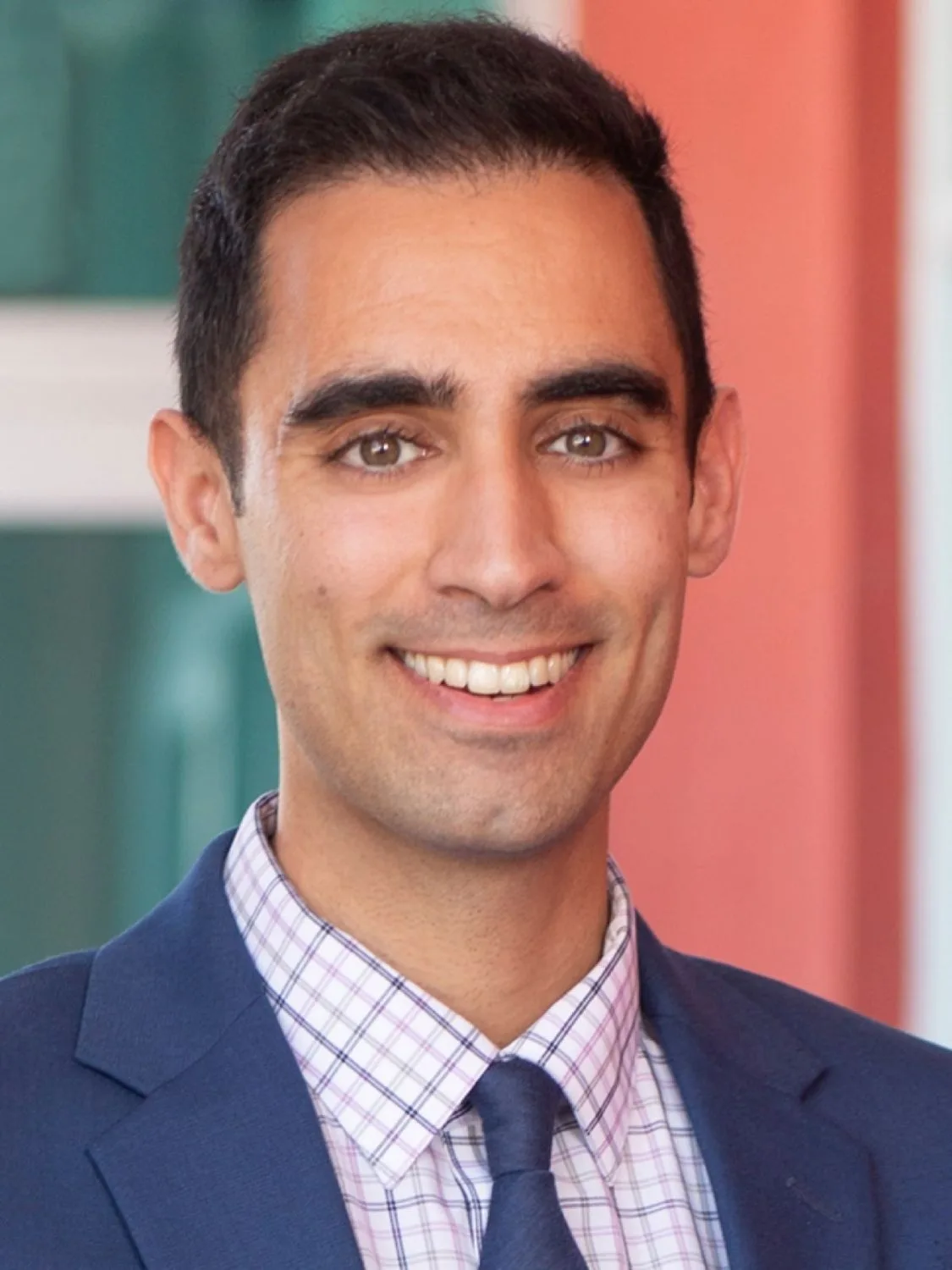
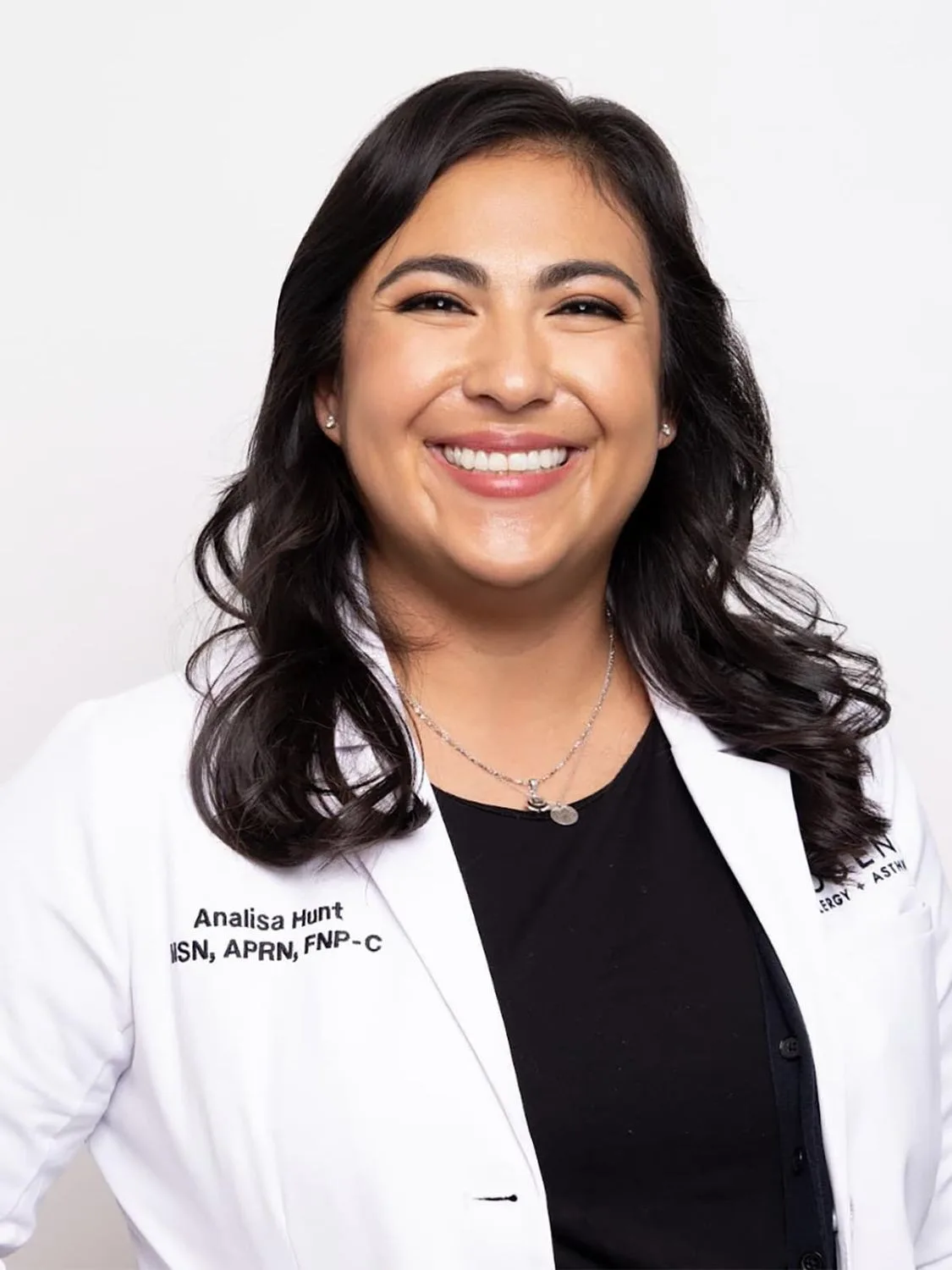
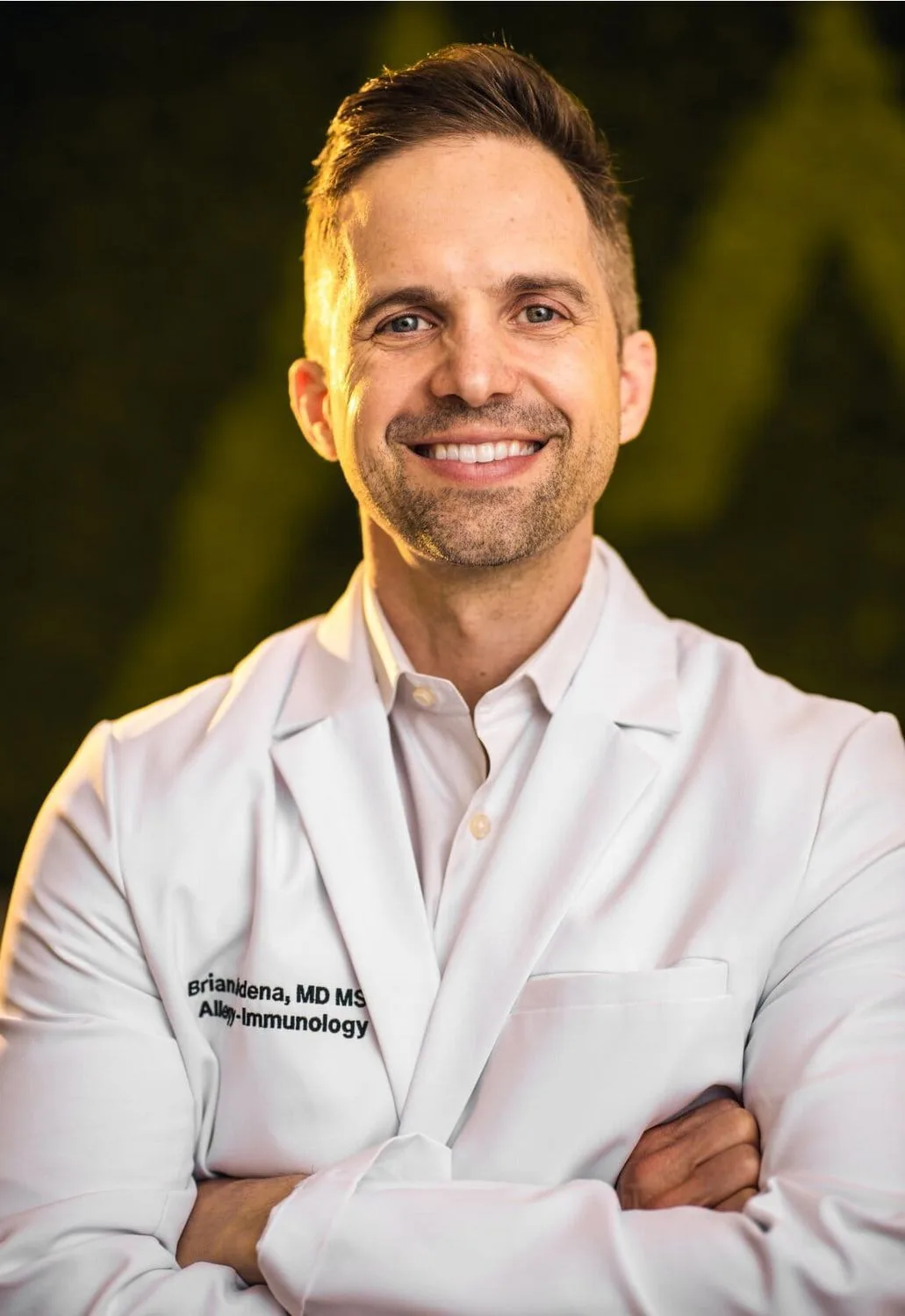
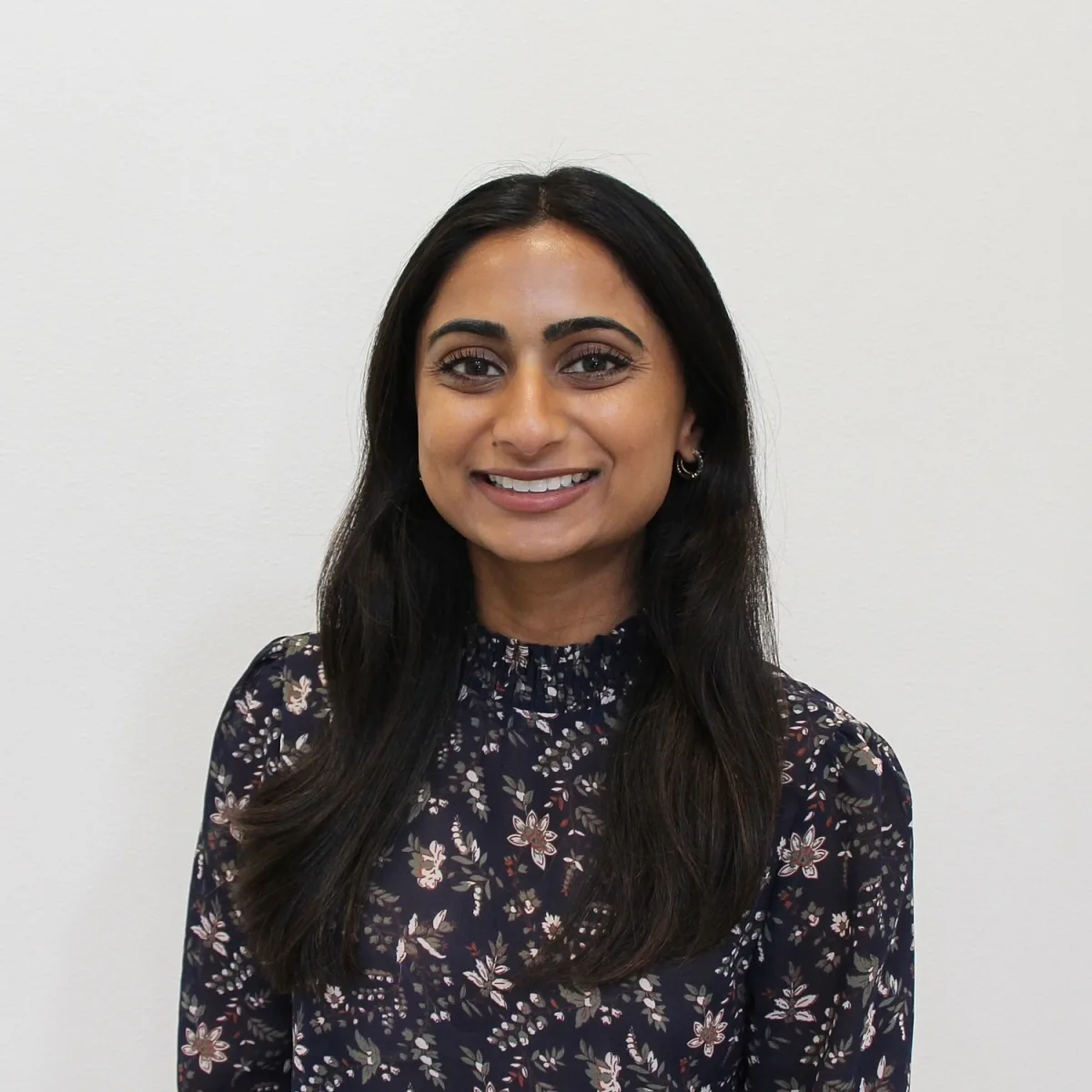
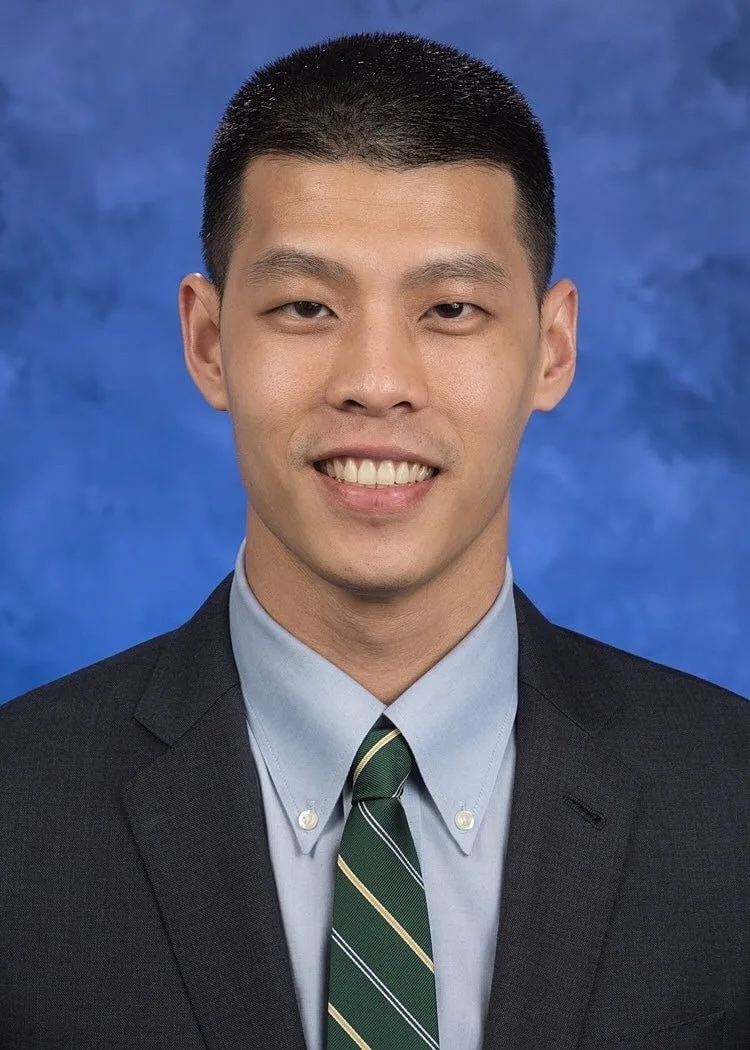
Meet the La Jolla Team for Food-Reaction Questions

Frequently Asked Questions
Food Allergy Evaluation Questions in La Jolla / San Diego
The evaluation clarifies which foods truly require avoidance, whether emergency medication and a written action plan are current, and whether further testing or a supervised challenge is appropriate.
Broad food panels can lead to false-positive results and unnecessary restriction. The clinician selects tests for foods supported by the history and explains what each result can and cannot predict.
Relevant information includes the exact food, amount, preparation, and timing of each reaction, labels, photographs, emergency records, and prior tests, and prescribed epinephrine and the current allergy action plan. This context helps the clinician focus on evidence that can change diagnosis, treatment, or day-to-day care.
Patient Testimonials
I’m a new patient and saw Samantha Arnold for my allergy symptoms. She was very professional and super friendly. I’d highly recommend her!
Appointments & Insurance
Scheduling made easy for your experience.
We work with many major insurance carriers.





Don’t see your carrier?
Insurance participation varies by plan, provider, network, and location. Please contact our team with your insurance card to confirm current participation.
Ready to schedule?
Call us or submit an online appointment request.
Have questions about insurance?
Have your insurance card ready and our team can help confirm current participation.
Is this a medical emergency?
Call 911 and follow your prescribed emergency action plan. Please do not use this form for emergencies.
 Request an Appointment
Live Well
Request a consultation with our La Jolla team.