Contact
  Locations
 .png) Call
Call Food Allergy Testing and Care in Eastlake, Chula Vista
A South Bay family seeking food-allergy answers should document the recipe or packaged ingredients, amount eaten, time to symptoms, organ systems involved, treatment, and later tolerance.


Clinical Overview
About Food Allergy Evaluation in Eastlake
Food allergy diagnosis depends on the reaction history and targeted testing. Skin or blood sensitization alone does not establish a clinical allergy; when the diagnosis remains uncertain, a medically supervised oral food challenge may be considered.
At Eastlake, this history is used to separate a possible immune-mediated allergy from intolerance, toxin, infection, or another cause. A positive skin or blood result without a compatible reaction is not enough to make the diagnosis.
The clinician may recommend targeted testing or discuss a supervised food challenge when clinically appropriate; a challenge belongs in a medical setting, never at home.
For a broader clinical overview, read the food allergy evaluation guide.
Local clinic: Modena Health Eastlake, 910 Hale Place, Suite 110, Chula Vista, CA 91914. Phone: 619-704-7577.
Clinical references: NIAID Food Allergy Guidelines and AAAAI: Food Allergy.
Eastlake Care Team
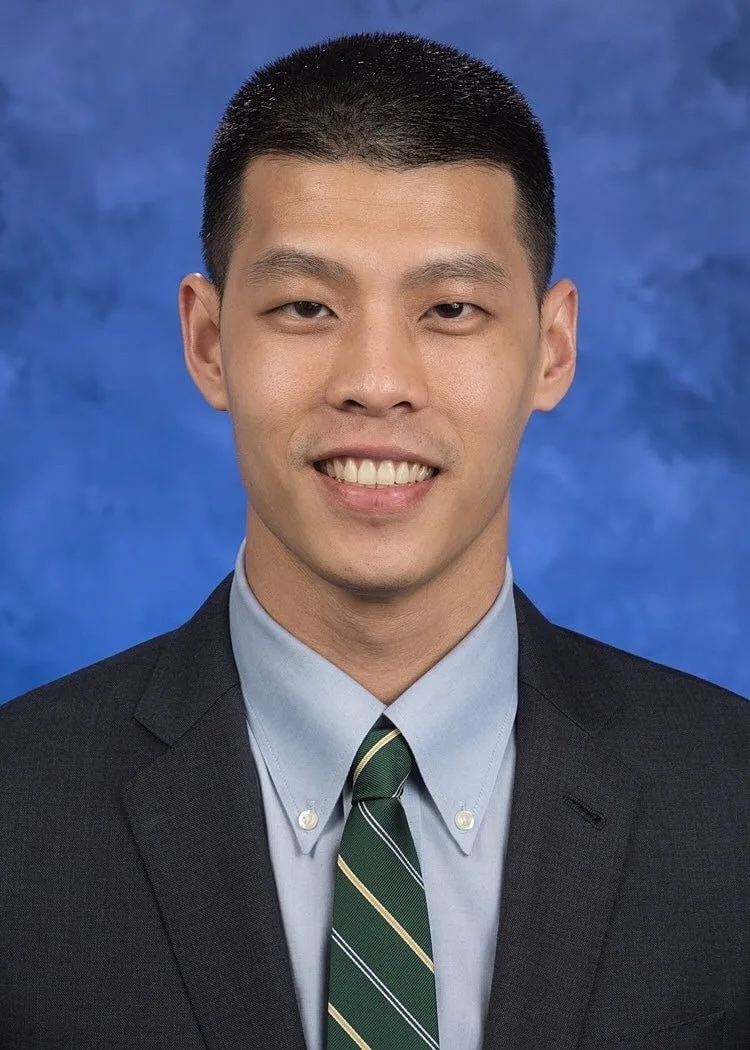
Meet the Allergist & Immunologist at Eastlake
Frequently Asked Questions
Food Allergy Evaluation Questions in Eastlake
The evaluation clarifies which foods truly require avoidance, whether emergency medication and a written action plan are current, and whether further testing or a supervised challenge is appropriate.
Broad food panels can lead to false-positive results and unnecessary restriction. The clinician selects tests for foods supported by the history and explains what each result can and cannot predict.
Relevant information includes the exact food, amount, preparation, and timing of each reaction, labels, photographs, emergency records, and prior tests, and prescribed epinephrine and the current allergy action plan. This context helps the clinician focus on evidence that can change diagnosis, treatment, or day-to-day care.
Patient Testimonials
Had the pleasure to be seen by Dr. Do goes by Toan, what a great experience he was so thorough, his explanation to life’s allergies we face was truly appreciated. Thank you Toan and the wonderful staff.
Appointments & Insurance
Scheduling made easy for your experience.
We work with many major insurance carriers.





Don’t see your carrier?
Insurance participation varies by plan, provider, network, and location. Please contact our team with your insurance card to confirm current participation.
Ready to schedule?
Call us or submit an online appointment request.
Have questions about insurance?
Have your insurance card ready and our team can help confirm current participation.
Is this a medical emergency?
Call 911 and follow your prescribed emergency action plan. Please do not use this form for emergencies.
 Request an Appointment
Live Well
Request a consultation with our Eastlake team.