Contact
  Locations
 .png) Call
Call Eczema and Skin Allergy Evaluation in Eastlake, Chula Vista
A skin visit in Eastlake should show how the rash behaves between flares.


Clinical Overview
About Eczema and Skin Allergy Care in Eastlake
Eczema is a chronic inflammatory skin condition with a damaged skin barrier. Allergy can be relevant for some patients, but positive tests do not prove that a food or environmental exposure is driving every flare, and unnecessary elimination diets can create harm.
Photograph its location and appearance, note itching and sleep loss, and list every topical medicine, moisturizer, detergent, cosmetic, occupational product, and recent infection. That record helps the clinician distinguish atopic dermatitis from contact irritation, hives, infection, and other eruptions that need a different plan.
At Hale Place, the discussion may center on skin-barrier care and correct treatment use before any test is selected. Food sensitization panels do not routinely explain chronic eczema and can lead to avoidable dietary restriction.
When contacting Eastlake, say whether the concern is chronic eczema, sudden hives, or a product-related rash. That distinction helps staff choose the right visit and tell you which photographs, labels, and prior dermatology notes are useful.
For a broader clinical overview, read the eczema and skin allergy care guide.
Local clinic: Modena Health Eastlake, 910 Hale Place, Suite 110, Chula Vista, CA 91914. Phone: 619-704-7577.
Clinical references: AAD: Atopic Dermatitis Clinical Guidelines and NIAID Food Allergy Guidelines.
Eastlake Care Team
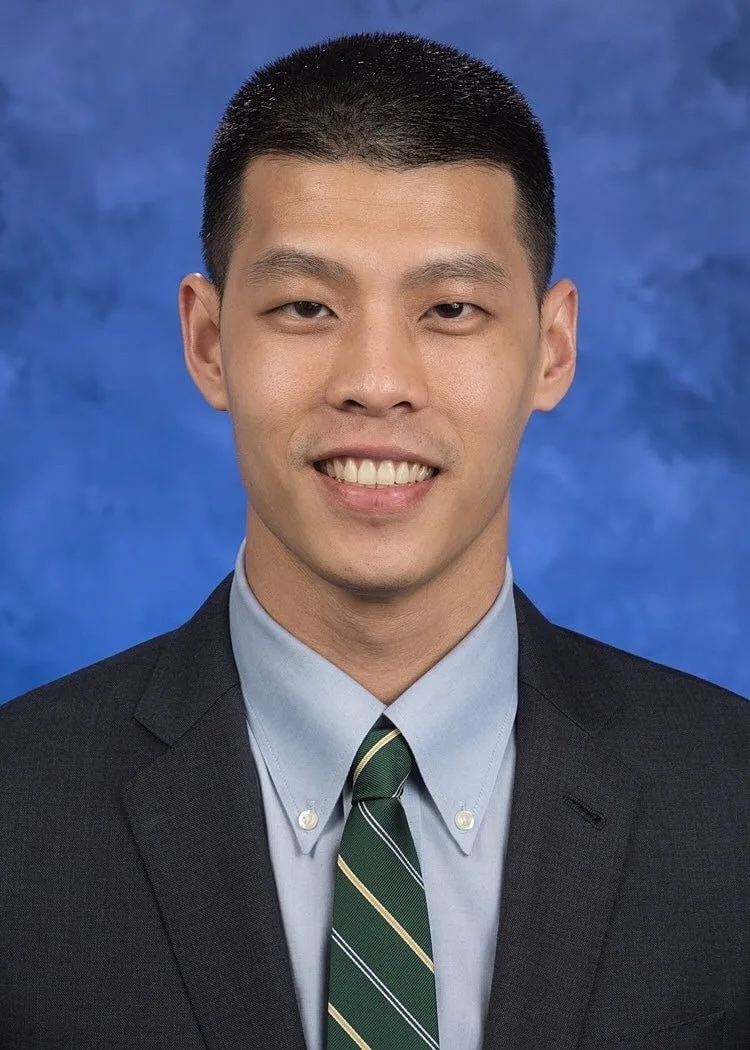
Meet the Allergist & Immunologist at Eastlake
Frequently Asked Questions
Eczema and Skin Allergy Care Questions in Eastlake
The visit connects the rash pattern, itch, skin-care routine, exposures, infections, medicines, and response to prior treatment before deciding whether any targeted allergy evaluation is warranted.
A care plan may focus on moisturization, bathing, topical treatment, infection assessment, trigger reduction, or referral. Testing is selected only when the history suggests a result would change management.
Relevant information includes photos showing the rash at its worst and between flares, skin products, medicines, and treatments already tried, and a timeline of exposures, symptoms, and any dietary changes. This context helps the clinician focus on evidence that can change diagnosis, treatment, or day-to-day care.
Patient Testimonials
The doctor's here really listen and try to get to the bottom of why I've been breaking out in hives randomly. They are willing to run all sorts of tests and have never made me feel like I was being dramatic. My primary care doctor shrugged me off but everyone at this clinic real cares about their patients.
Appointments & Insurance
Scheduling made easy for your experience.
We work with many major insurance carriers.





Don’t see your carrier?
Insurance participation varies by plan, provider, network, and location. Please contact our team with your insurance card to confirm current participation.
Ready to schedule?
Call us or submit an online appointment request.
Have questions about insurance?
Have your insurance card ready and our team can help confirm current participation.
Is this a medical emergency?
Call 911 and follow your prescribed emergency action plan. Please do not use this form for emergencies.
 Request an Appointment
Live Well
Request a consultation with our Eastlake team.