Contact
  Locations
 .png) Call
Call Eczema and Skin Allergy Evaluation in San Gabriel, CA
For an eczema or skin-allergy question in San Gabriel, bring a sequence of photographs and a written account of itch, sleep, body sites, infection concerns, and treatment response.


Clinical Overview
About Eczema and Skin Allergy Care in San Gabriel Valley
Eczema is a chronic inflammatory skin condition with a damaged skin barrier. Allergy can be relevant for some patients, but positive tests do not prove that a food or environmental exposure is driving every flare, and unnecessary elimination diets can create harm.
List moisturizers, prescriptions, cosmetics, detergents, gloves, adhesives, and workplace or school materials. A repeatable exposure pattern is more informative than a long undated list of products.
The South Santa Anita Street clinician can determine whether the presentation is atopic dermatitis, hives, contact disease, irritation, or another rash. Testing follows that distinction. Broad food sensitization panels often do not explain chronic eczema and may create unnecessary dietary restriction. The plan may emphasize skin-barrier care, correct medication use, a targeted exposure test, or dermatology and patch-test coordination.
For a broader clinical overview, read the eczema and skin allergy care guide.
Local clinic: Modena Allergy + Asthma - San Gabriel Valley, 207 South Santa Anita Street, Suite 335, San Gabriel, CA 91776. Phone: 626-284-3400.
Clinical references: AAD: Atopic Dermatitis Clinical Guidelines and NIAID Food Allergy Guidelines.
San Gabriel Valley Providers
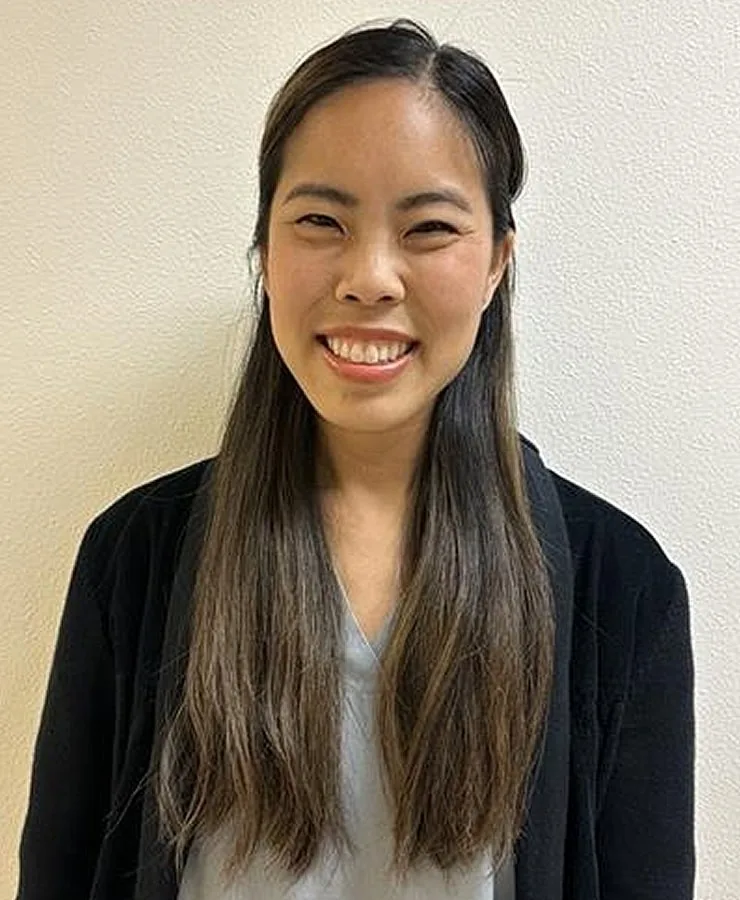
Meet the San Gabriel Valley Care Team



Frequently Asked Questions
Eczema and Skin Allergy Care Questions in San Gabriel Valley
The visit connects the rash pattern, itch, skin-care routine, exposures, infections, medicines, and response to prior treatment before deciding whether any targeted allergy evaluation is warranted.
A care plan may focus on moisturization, bathing, topical treatment, infection assessment, trigger reduction, or referral. Testing is selected only when the history suggests a result would change management.
Relevant information includes photos showing the rash at its worst and between flares, skin products, medicines, and treatments already tried, and a timeline of exposures, symptoms, and any dietary changes. This context helps the clinician focus on evidence that can change diagnosis, treatment, or day-to-day care.
Appointments & Insurance
Scheduling made easy for your experience.
We work with many major insurance carriers.





Don’t see your carrier?
Insurance participation varies by plan, provider, network, and location. Please contact our team with your insurance card to confirm current participation.
Ready to schedule?
Call us or submit an online appointment request.
Have questions about insurance?
Have your insurance card ready and our team can help confirm current participation.
Is this a medical emergency?
Call 911 and follow your prescribed emergency action plan. Please do not use this form for emergencies.
 Request an Appointment
Live Well
Request a consultation with our San Gabriel Valley team.