Contact
  Locations
 .png) Call
Call Eczema and Skin Allergy Evaluation in Solana Beach, CA
A Solana Beach skin evaluation is easier when photographs show the rash at baseline, early flare, and peak.


Clinical Overview
About Eczema and Skin Allergy Care in Solana Beach
Eczema is a chronic inflammatory skin condition with a damaged skin barrier. Allergy can be relevant for some patients, but positive tests do not prove that a food or environmental exposure is driving every flare, and unnecessary elimination diets can create harm.
Note body sites, itching, sleep, infection signs, ocean or pool exposure when relevant to the timeline, and response to each cream.
The Stevens Avenue clinician can distinguish atopic dermatitis, contact dermatitis, hives, irritation, and other eruptions before deciding on testing. Broad food panels often identify sensitization that does not drive chronic eczema and can lead to unnecessary dietary restriction. Management may center on barrier repair, prescription technique, a focused allergy question, or coordination with dermatology and patch testing.
That timing helps staff select the appropriate consultation and records.
For a broader clinical overview, read the eczema and skin allergy care guide.
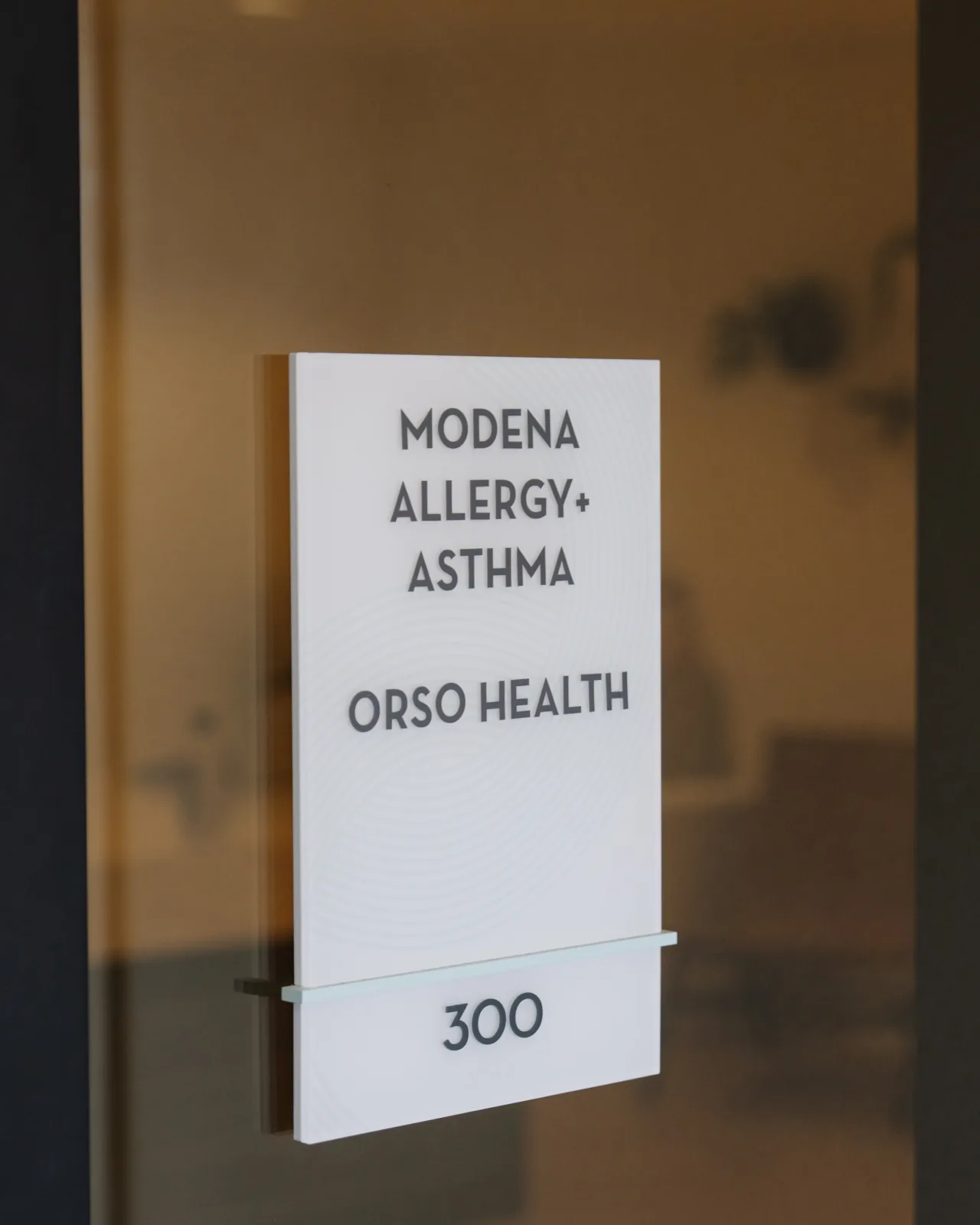
Local clinic: Modena Health Solana Beach, 462 Stevens Avenue, Suite 300, Solana Beach, CA 92075. Phone: 858-392-8660.
Clinical references: AAD: Atopic Dermatitis Clinical Guidelines and NIAID Food Allergy Guidelines.
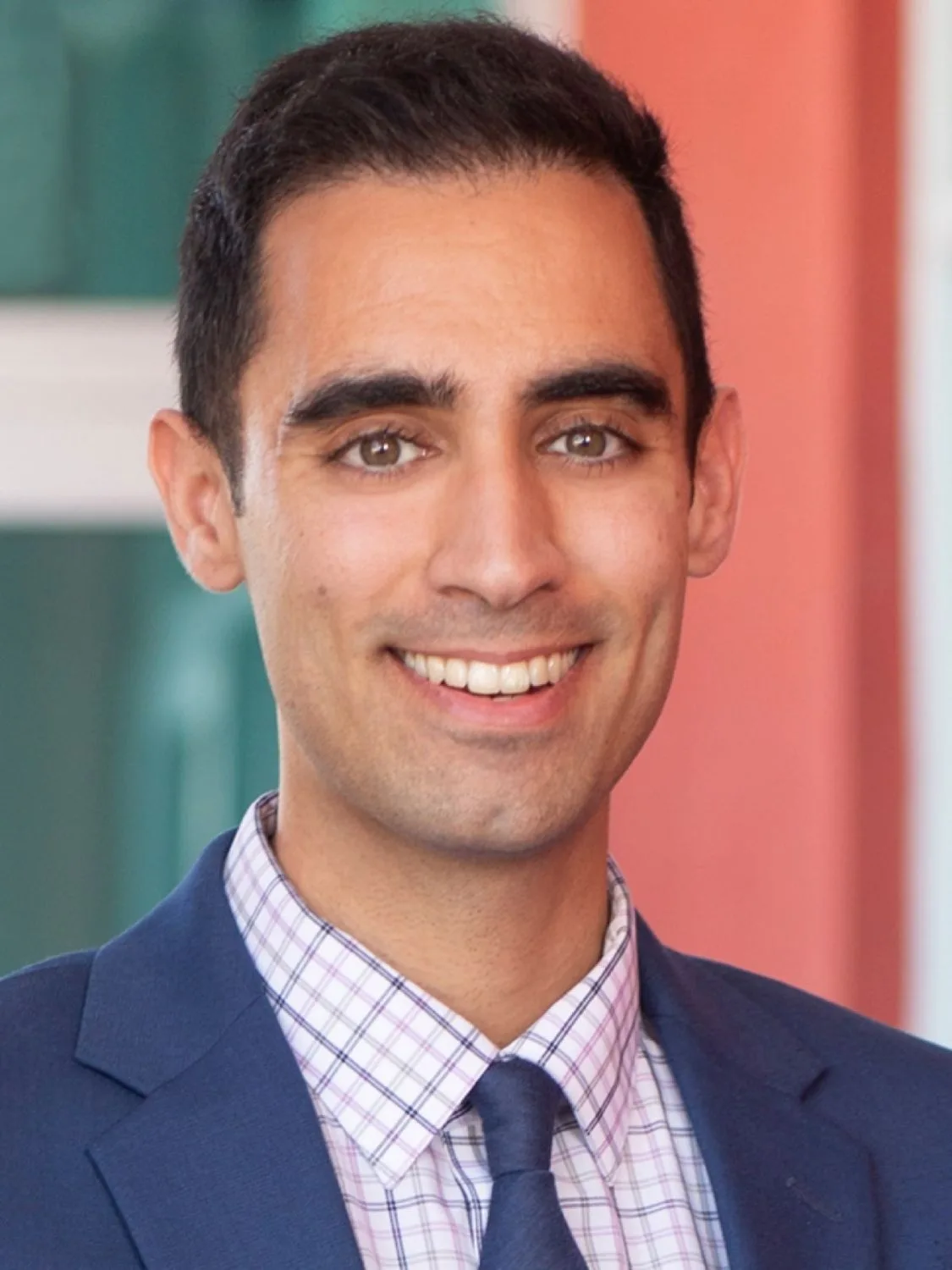
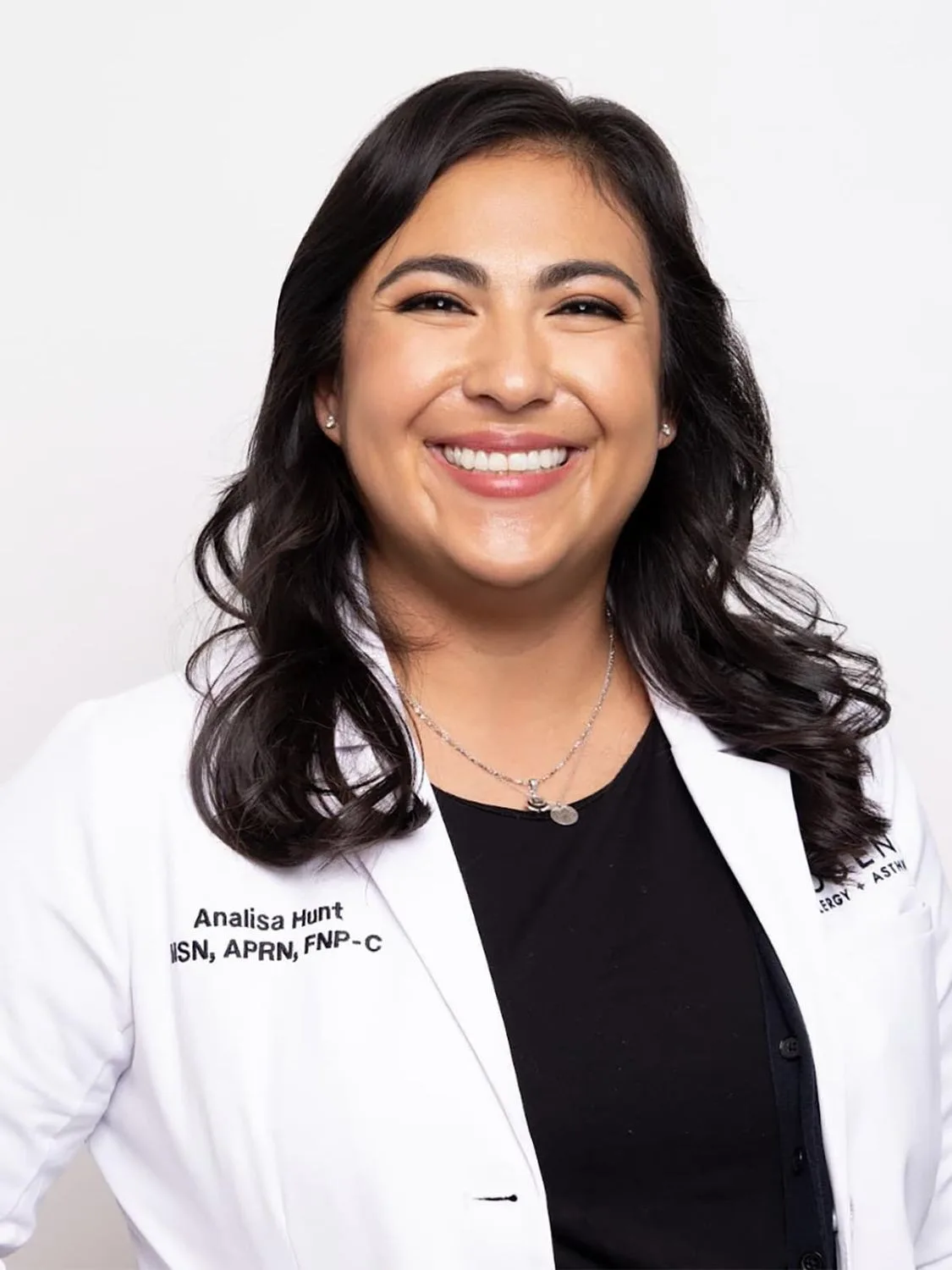
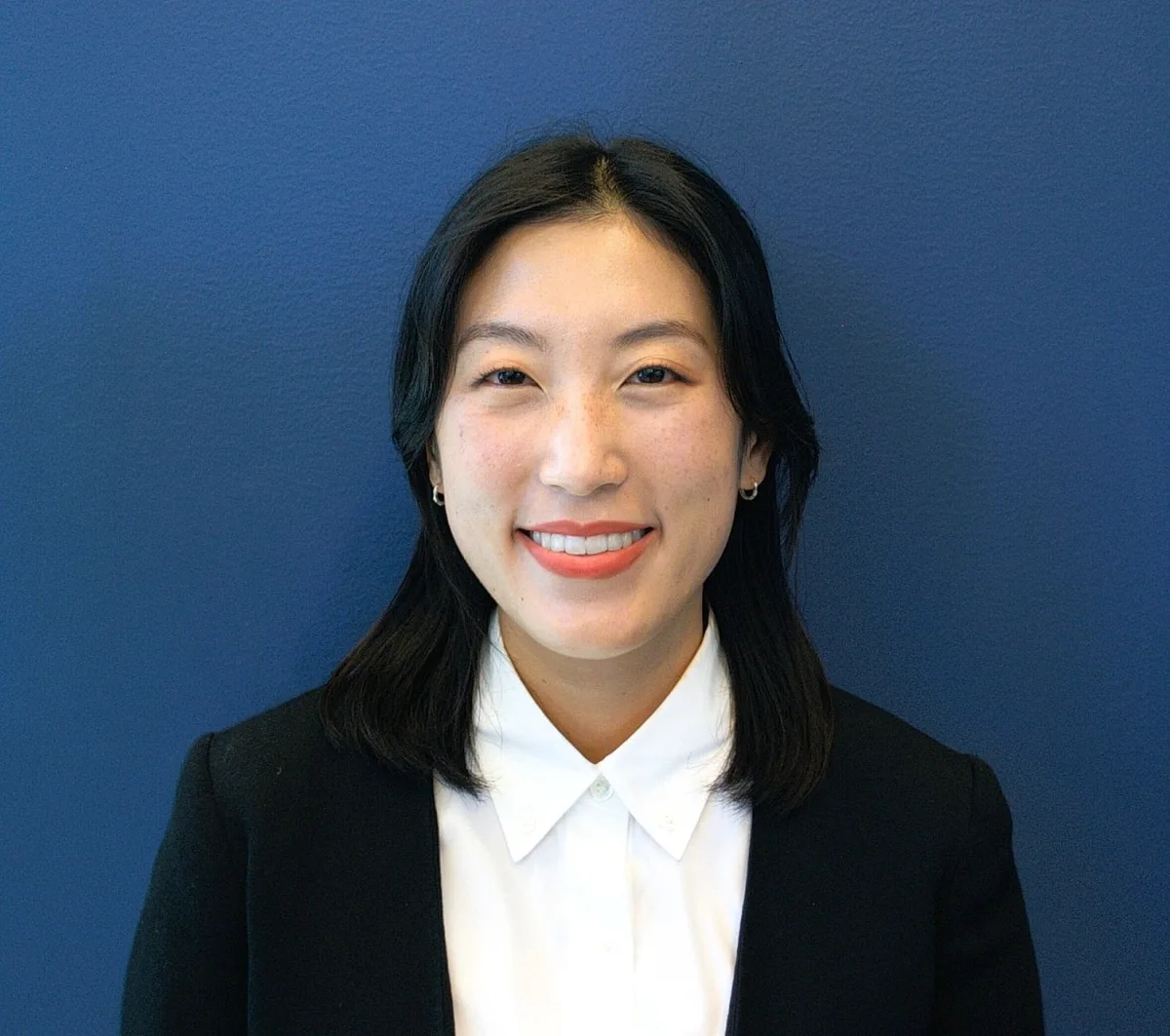
Solana Beach Providers
Meet the Solana Beach Care Team










Frequently Asked Questions
Eczema and Skin Allergy Care Questions in Solana Beach
The visit connects the rash pattern, itch, skin-care routine, exposures, infections, medicines, and response to prior treatment before deciding whether any targeted allergy evaluation is warranted.
A care plan may focus on moisturization, bathing, topical treatment, infection assessment, trigger reduction, or referral. Testing is selected only when the history suggests a result would change management.
Relevant information includes photos showing the rash at its worst and between flares, skin products, medicines, and treatments already tried, and a timeline of exposures, symptoms, and any dietary changes. This context helps the clinician focus on evidence that can change diagnosis, treatment, or day-to-day care.
Patient Testimonials
I saw Dr. Mohammad-Ali Doroudchi for chronic hives, and he was absolutely wonderful. He took the time to really listen to my symptoms, asked thoughtful questions, and explained everything clearly. I did not feel rushed, and he made me feel genuinely heard and cared for. I finally feel like I have a plan and some relief. Highly recommend him to anyone looking for a knowledgeable and compassionate allergist!
Appointments & Insurance
Scheduling made easy for your experience.
We work with many major insurance carriers.





Don’t see your carrier?
Insurance participation varies by plan, provider, network, and location. Please contact our team with your insurance card to confirm current participation.
Ready to schedule?
Call us or submit an online appointment request.
Have questions about insurance?
Have your insurance card ready and our team can help confirm current participation.
Is this a medical emergency?
Call 911 and follow your prescribed emergency action plan. Please do not use this form for emergencies.
 Request an Appointment
Live Well
Request a consultation with our Solana Beach team.