Contact
  Locations
 .png) Call
Call Diagnostic Nasal Endoscopy in Solana Beach, CA
Nasal endoscopy in Solana Beach is a focused office examination for a defined nasal question, such as persistent obstruction, drainage, smell loss, bleeding, or suspected polyps.


Clinical Overview
About Nasal Endoscopy in Solana Beach
Office nasal endoscopy uses a thin rigid or flexible scope to examine the nasal cavity, nasopharynx, and accessible sinus drainage pathways. It does not visualize every sinus and does not automatically replace imaging or other evaluation.
A thin rigid or flexible scope can show the nasal cavity, nasopharynx, and accessible drainage areas, but it does not visualize every sinus and does not automatically replace CT imaging.
A clinician may use topical decongestant or anesthetic and can explain visible findings; further imaging or ENT coordination may still be needed.
For a broader clinical overview, read the nasal endoscopy guide.
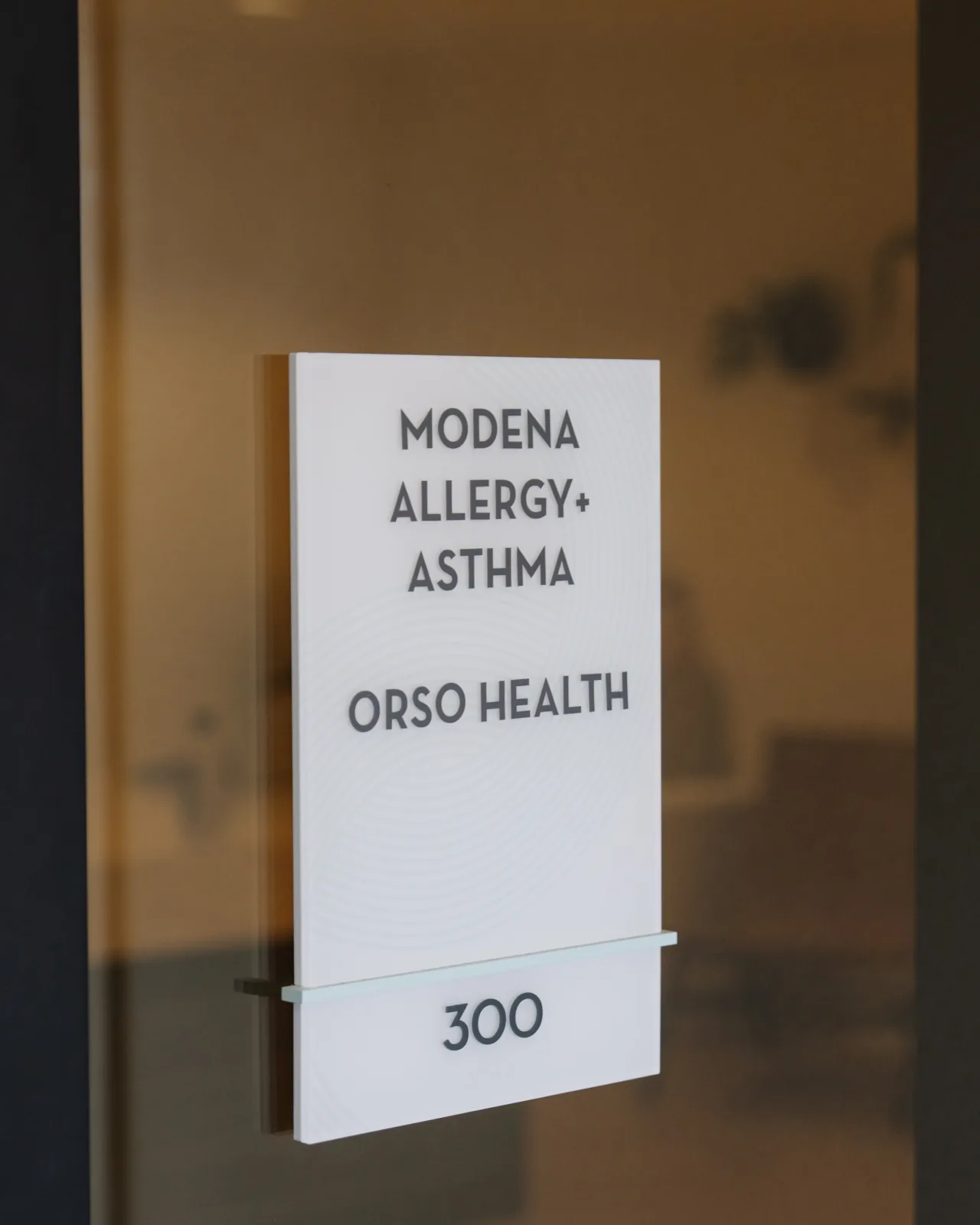
Local clinic: Modena Health Solana Beach, 462 Stevens Avenue, Suite 300, Solana Beach, CA 92075. Phone: 858-392-8660.
Clinical references: AAO-HNS: Diagnostic Nasal Endoscopy and World Allergy Organization Safety Statement.
Solana Beach Providers
Meet the Solana Beach Care Team



Patient Experience
A Published First-Visit Account From Solana Beach
“It was my first time here at Modena Allergy at the Solana Beach location. Immediately I got answers and possible treatment methods that I’ve been looking for in the past three years. Everyone was so kind and patient with me. I will be coming back for a check up. They seem to truly care about their patients.”
Frequently Asked Questions
Nasal Endoscopy Questions in Solana Beach
The procedure helps investigate obstruction, drainage, smell loss, bleeding, suspected polyps, or another visible nasal concern when a routine examination is not enough.
The clinician may use topical decongestant or anesthetic and can often review findings during the visit. Tell the team about blood thinners, bleeding disorders, medication reactions, recent surgery, or trauma.
Relevant information includes sinus imaging or prior endoscopy and operative reports, a list of blood thinners and nasal medicines, and the timing of obstruction, drainage, smell loss, pain, or bleeding. This context helps the clinician focus on evidence that can change diagnosis, treatment, or day-to-day care.
Appointments & Insurance
Scheduling made easy for your experience.
We work with many major insurance carriers.





Don’t see your carrier?
Insurance participation varies by plan, provider, network, and location. Please contact our team with your insurance card to confirm current participation.
Ready to schedule?
Call us or submit an online appointment request.
Have questions about insurance?
Have your insurance card ready and our team can help confirm current participation.
Is this a medical emergency?
Call 911 and follow your prescribed emergency action plan. Please do not use this form for emergencies.
 Request an Appointment
Office Photos
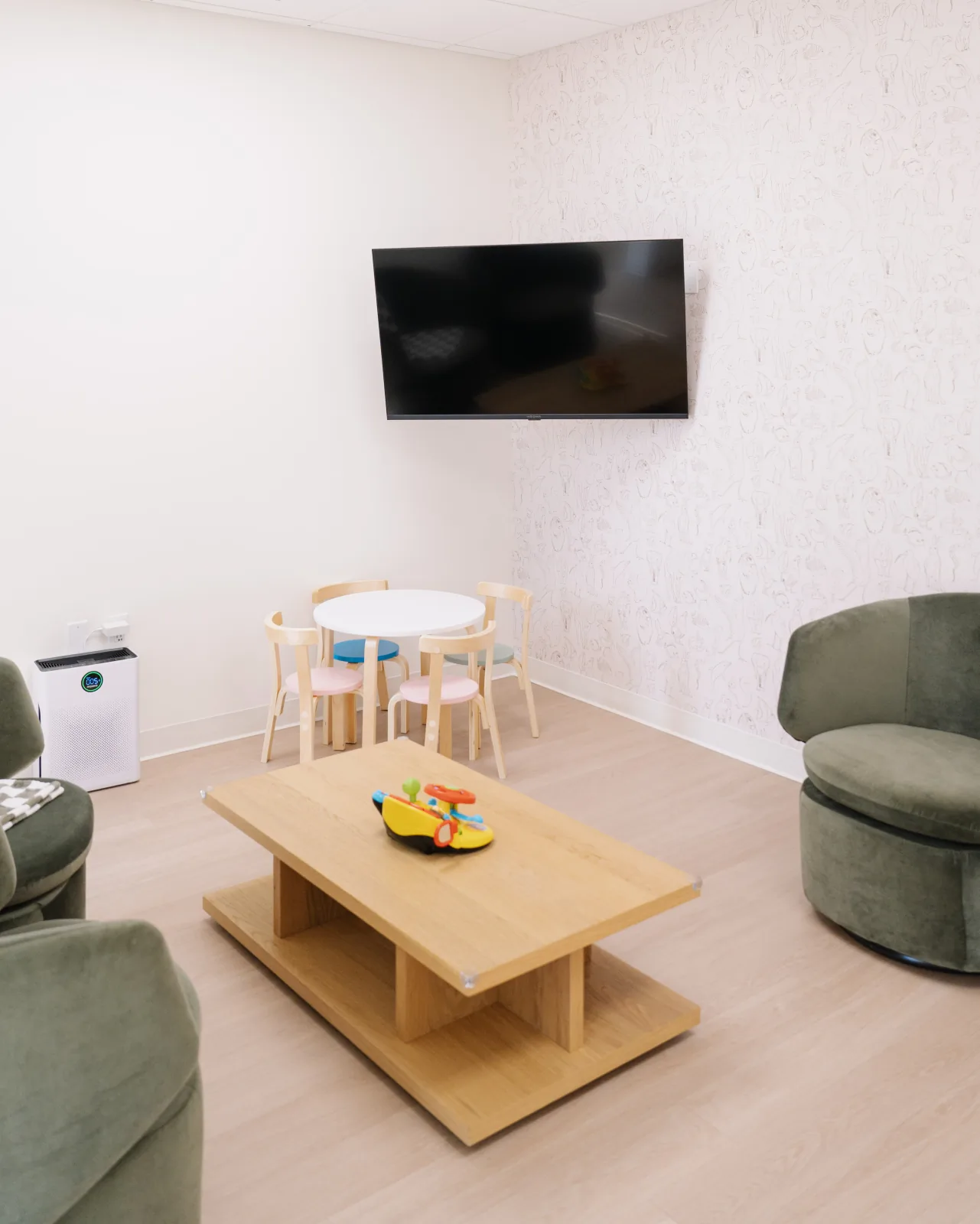
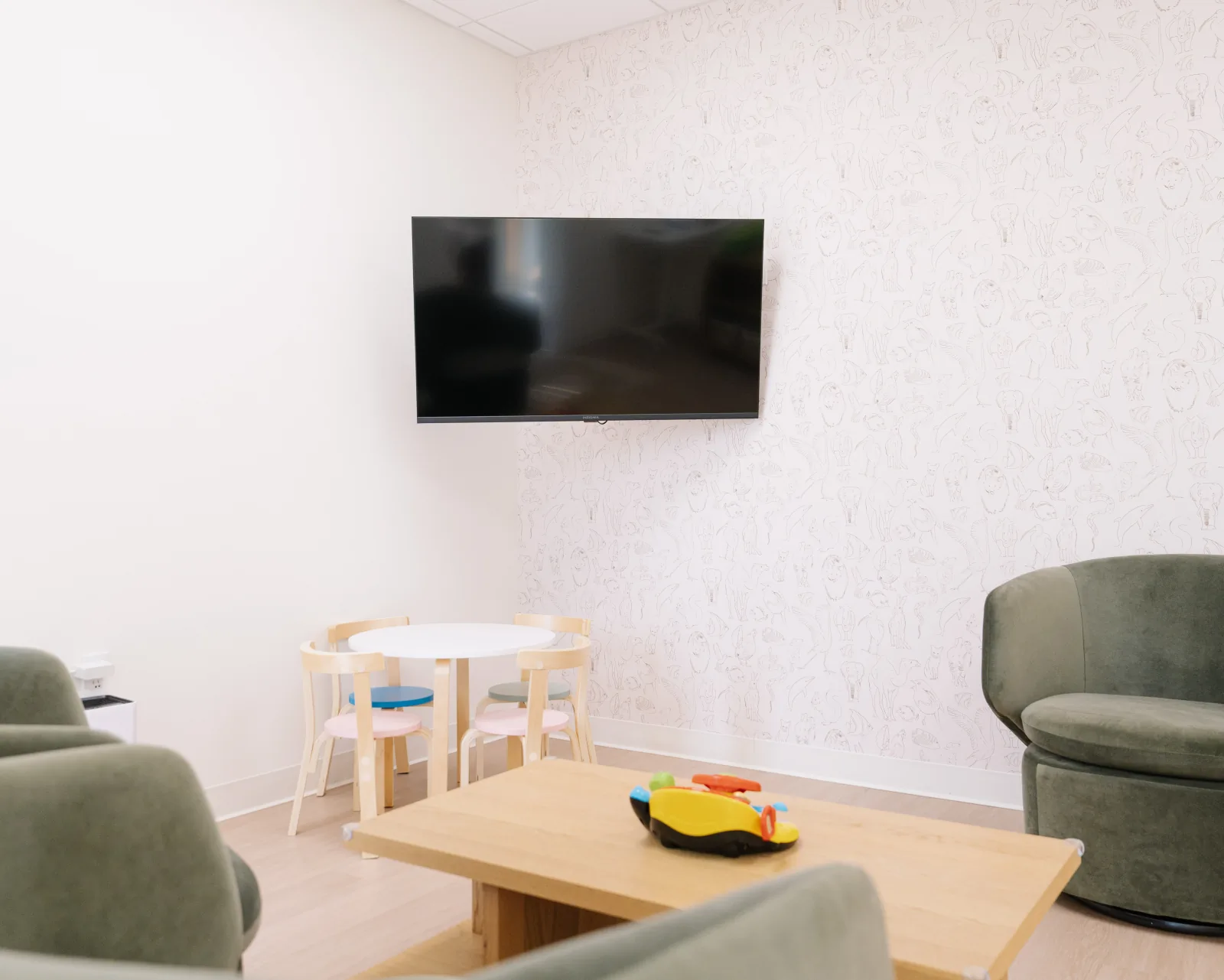
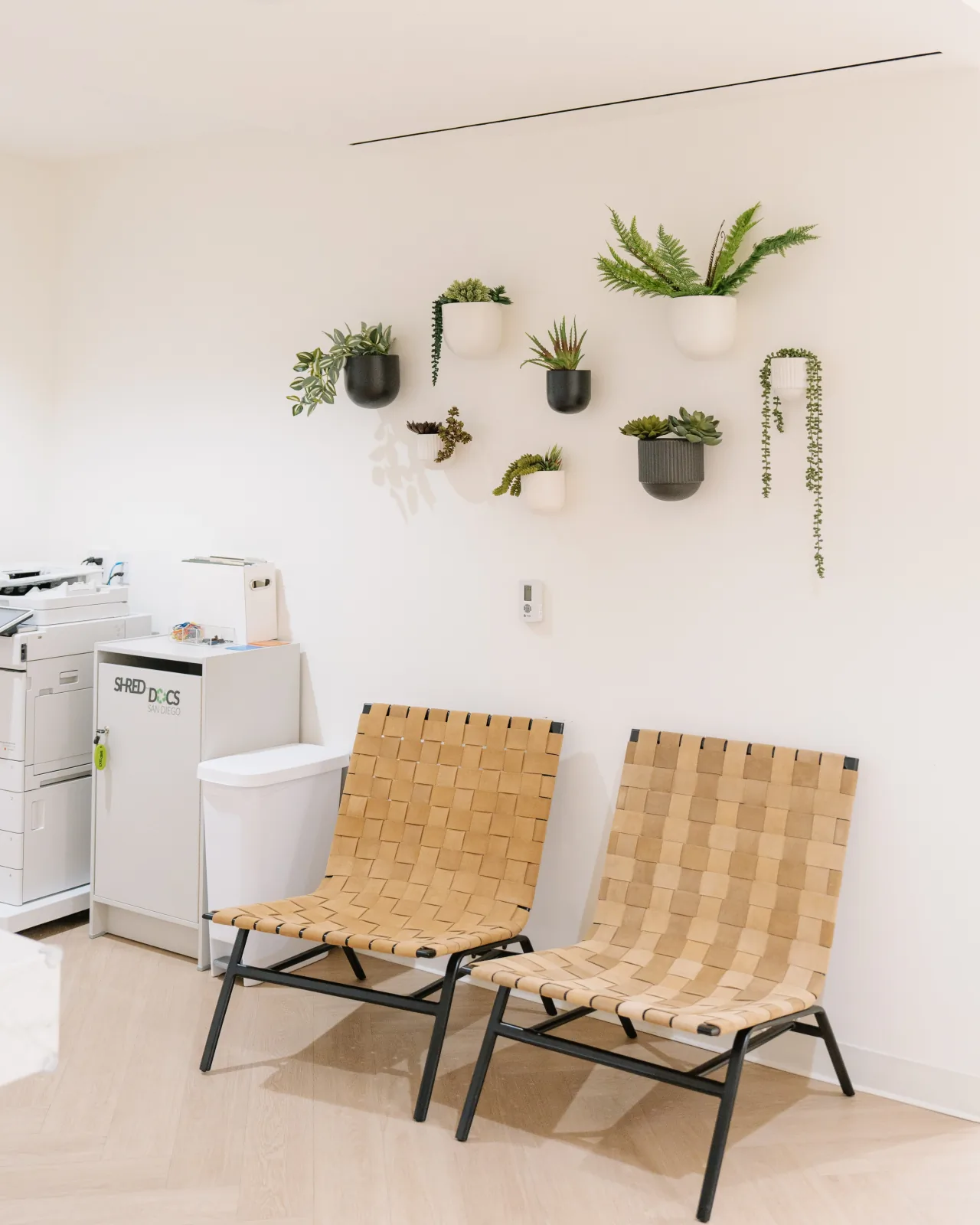
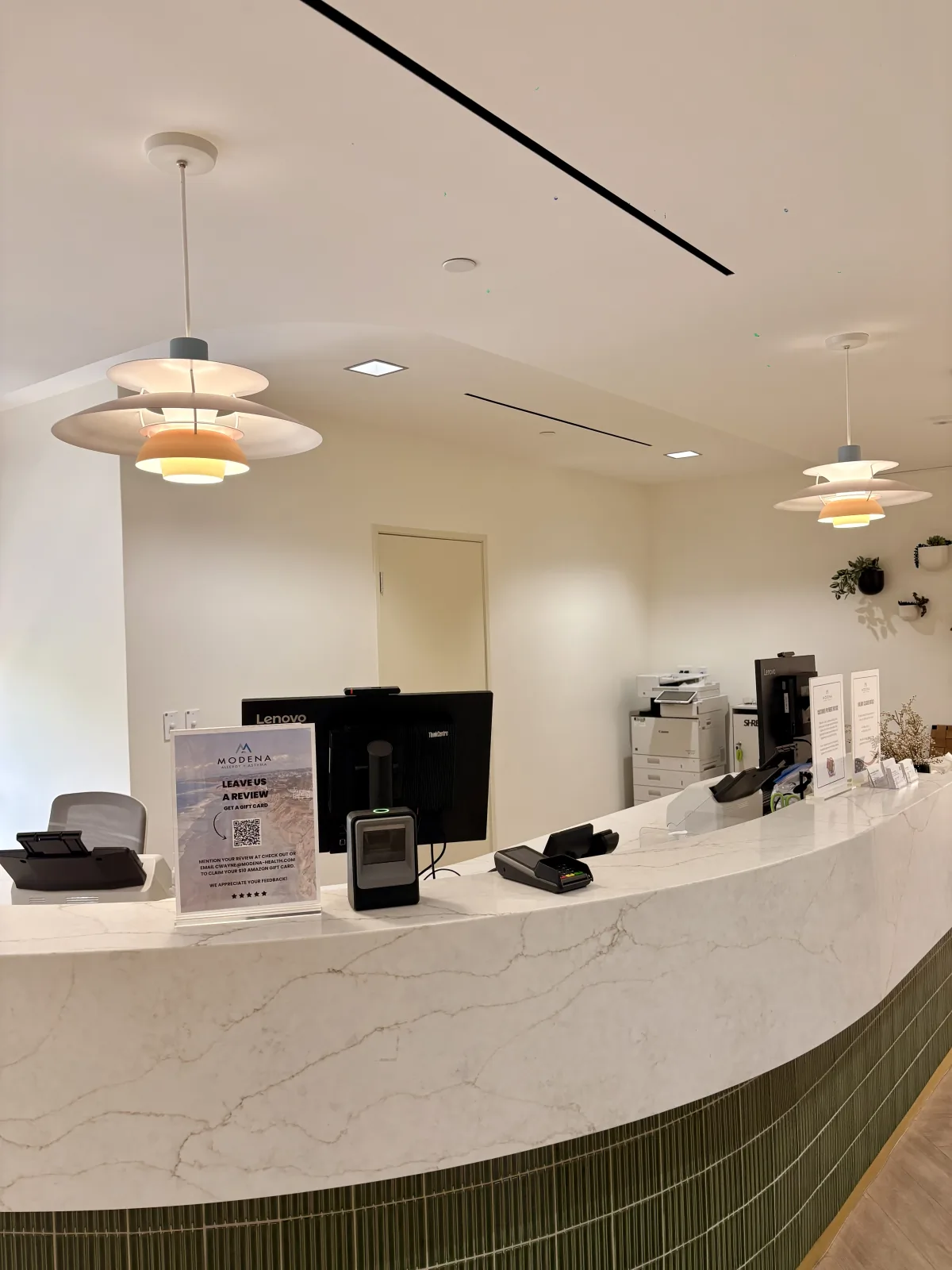
Inside our Solana Beach office