Contact
  Locations
 .png) Call
Call Drug Allergy Testing and Evaluation in Solana Beach, CA
A Solana Beach drug-allergy consultation should reconstruct the exact medication episode.


Clinical Overview
About Drug Allergy Evaluation in Solana Beach
A medication reaction may reflect allergy, a predictable side effect, an interaction, or the illness being treated. Evaluation begins with the exact drug, timing, symptoms, and later exposures; selected patients may then need validated skin testing or a supervised drug challenge.
Record the generic or brand name, route, dose number, illness being treated, time to symptoms, symptom progression, and treatment. Add related drugs taken safely since. This separates immediate hypersensitivity concerns from delayed eruptions, side effects, interactions, and manifestations of the underlying illness.
The clinician may use history, validated testing for selected drugs, or a supervised challenge where appropriate, but many medicines lack reliable allergy tests and certain severe reactions require avoidance. The safest outcome is a specific updated record. Never retry a suspect drug without medical supervision.
Name the medication and reaction when contacting 858-392-8660.
For a broader clinical overview, read the drug allergy evaluation guide.
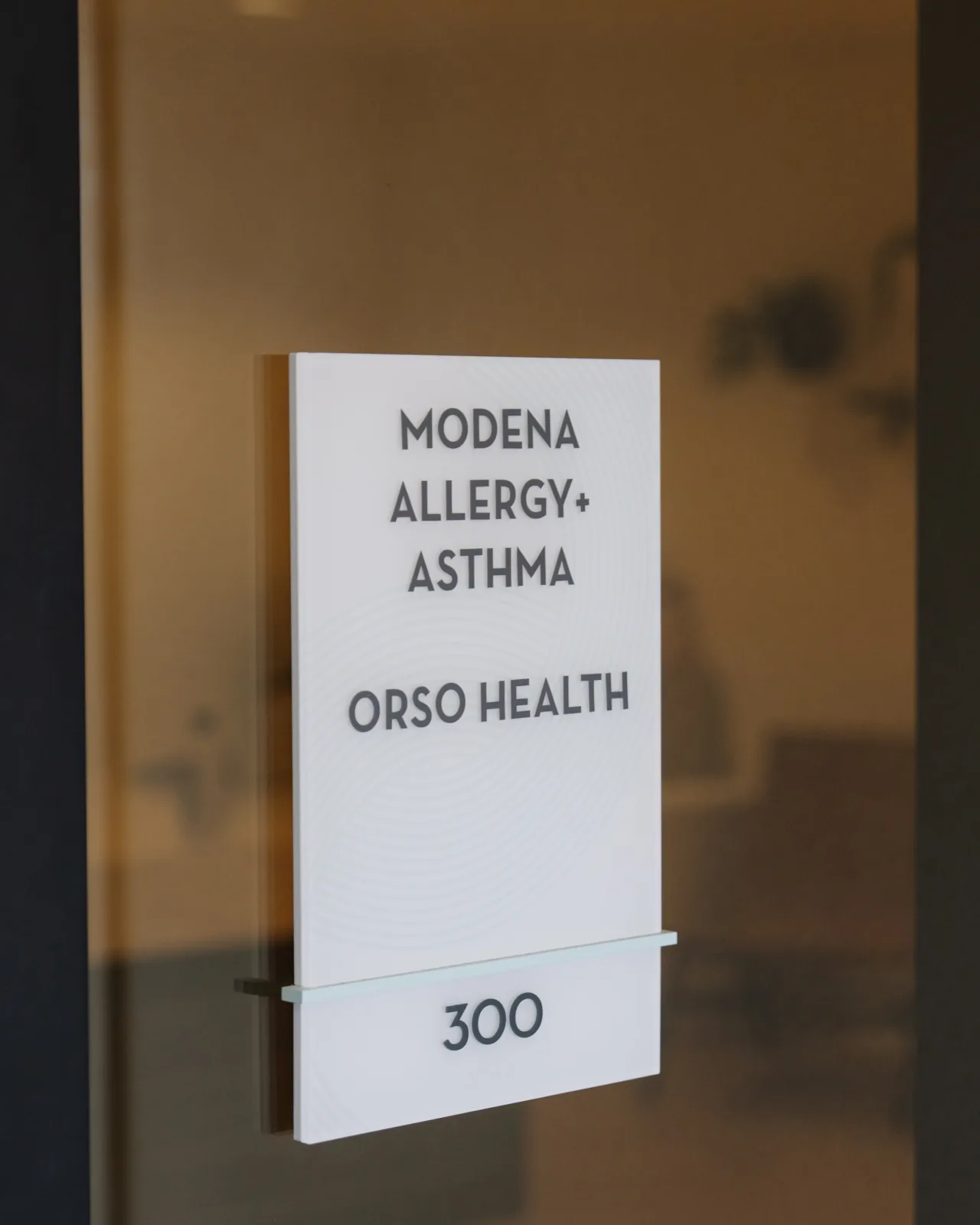
Local clinic: Modena Health Solana Beach, 462 Stevens Avenue, Suite 300, Solana Beach, CA 92075. Phone: 858-392-8660.
Clinical references: AAAAI Drug Allergy Practice Parameter and CDC: Penicillin Allergy.
Solana Beach Providers
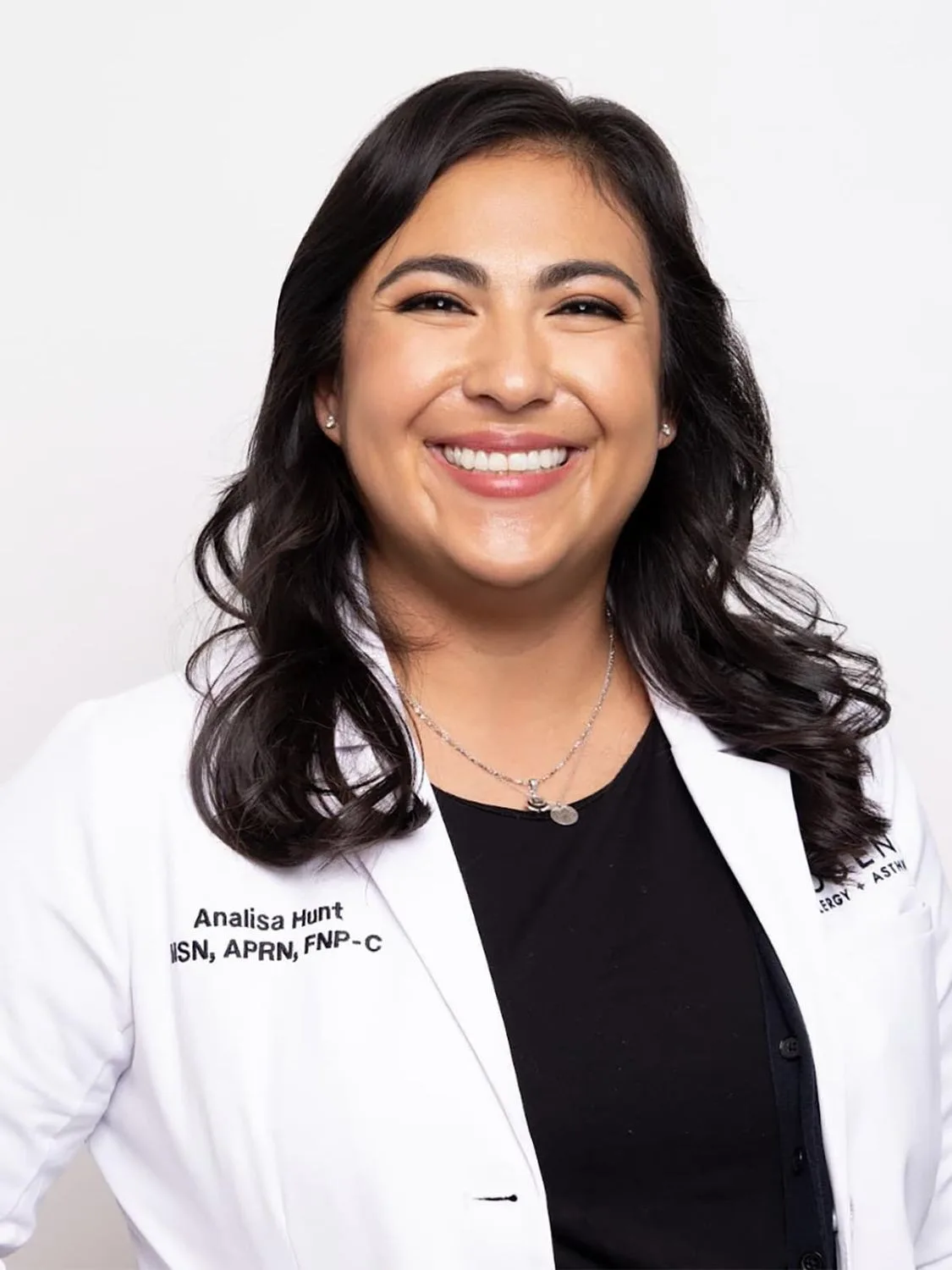
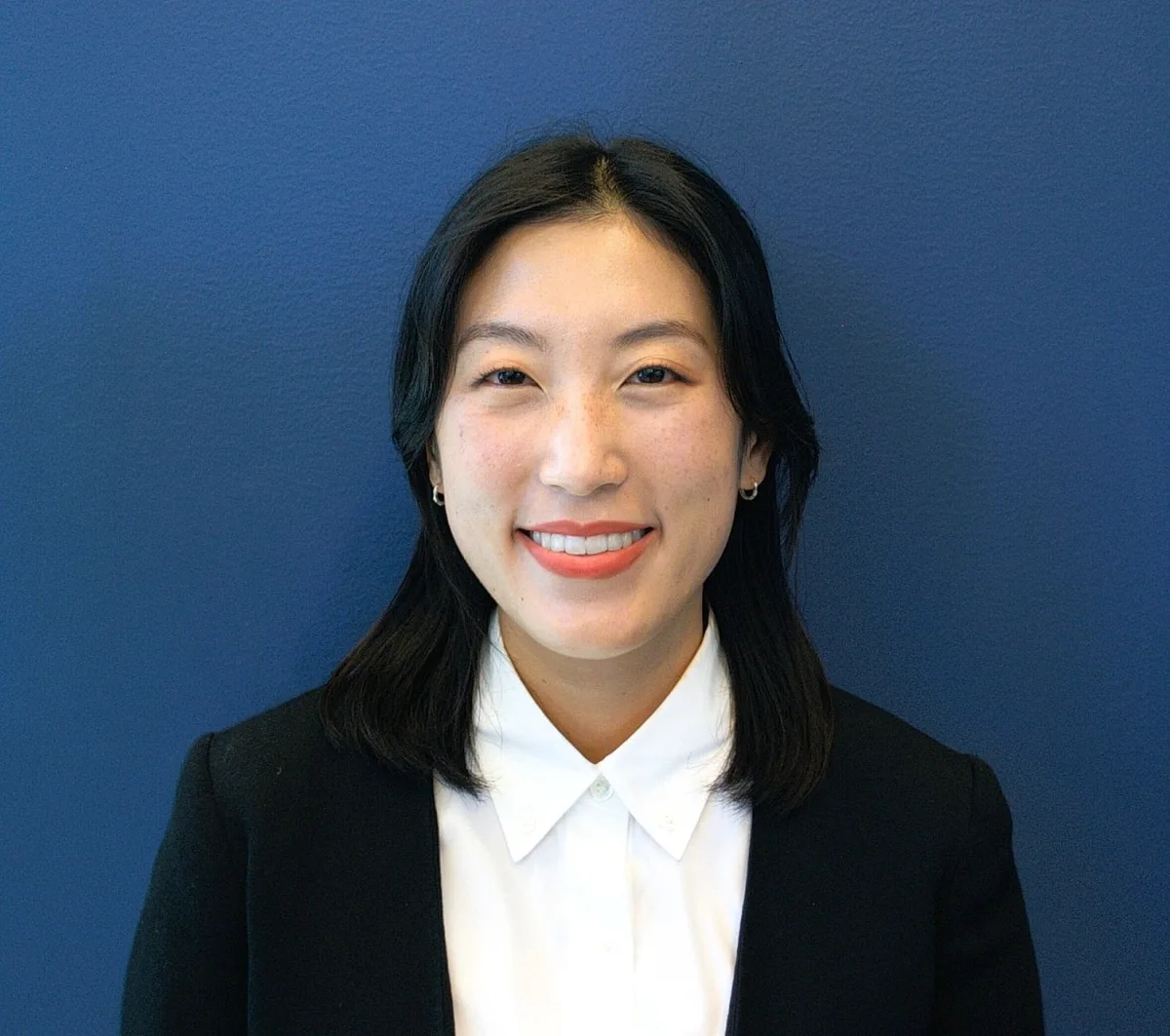
Meet the Solana Beach Care Team






Frequently Asked Questions
Drug Allergy Evaluation Questions in Solana Beach
The purpose is to decide which medication should remain on the allergy list, whether a low-risk label can be clarified, and what alternatives or precautions are appropriate.
Testing is drug-specific. A challenge is performed only under medical supervision, while desensitization creates temporary tolerance for a necessary medication and is not a permanent cure.
Relevant information includes the medication name, dose, and reason it was prescribed, reaction photos, emergency records, and treatment details, and a list of related medicines taken before or since. This context helps the clinician focus on evidence that can change diagnosis, treatment, or day-to-day care.
Patient Testimonials
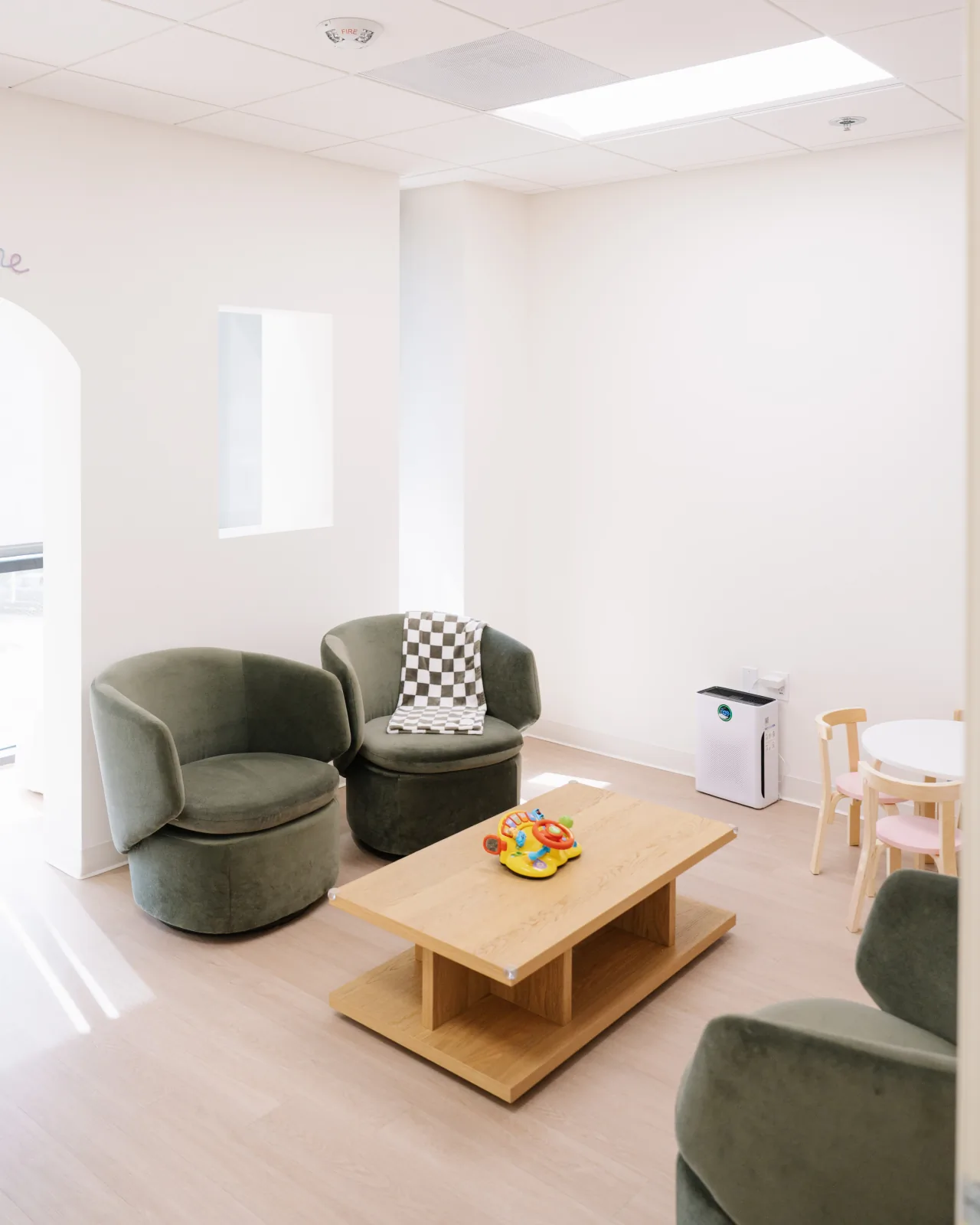
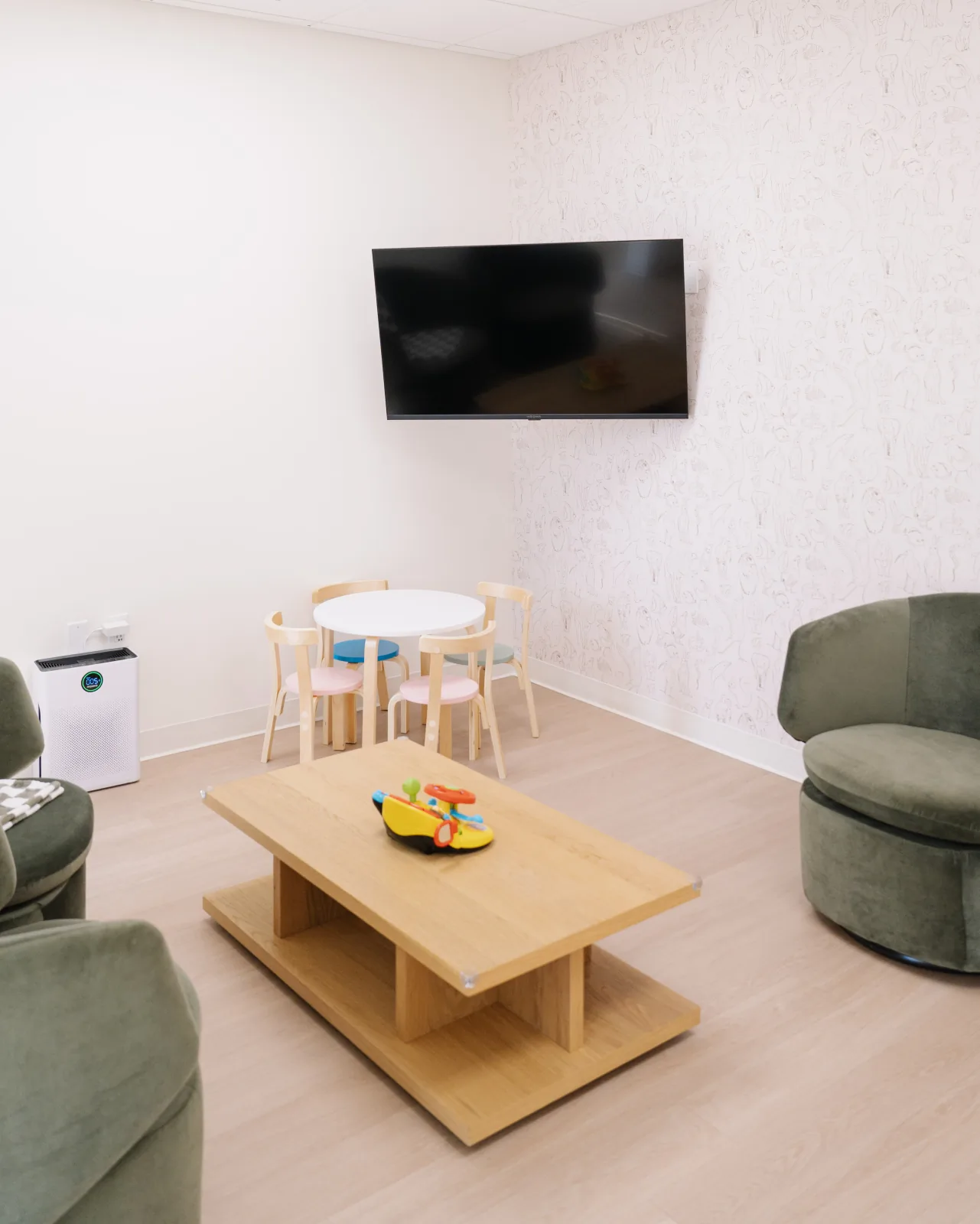
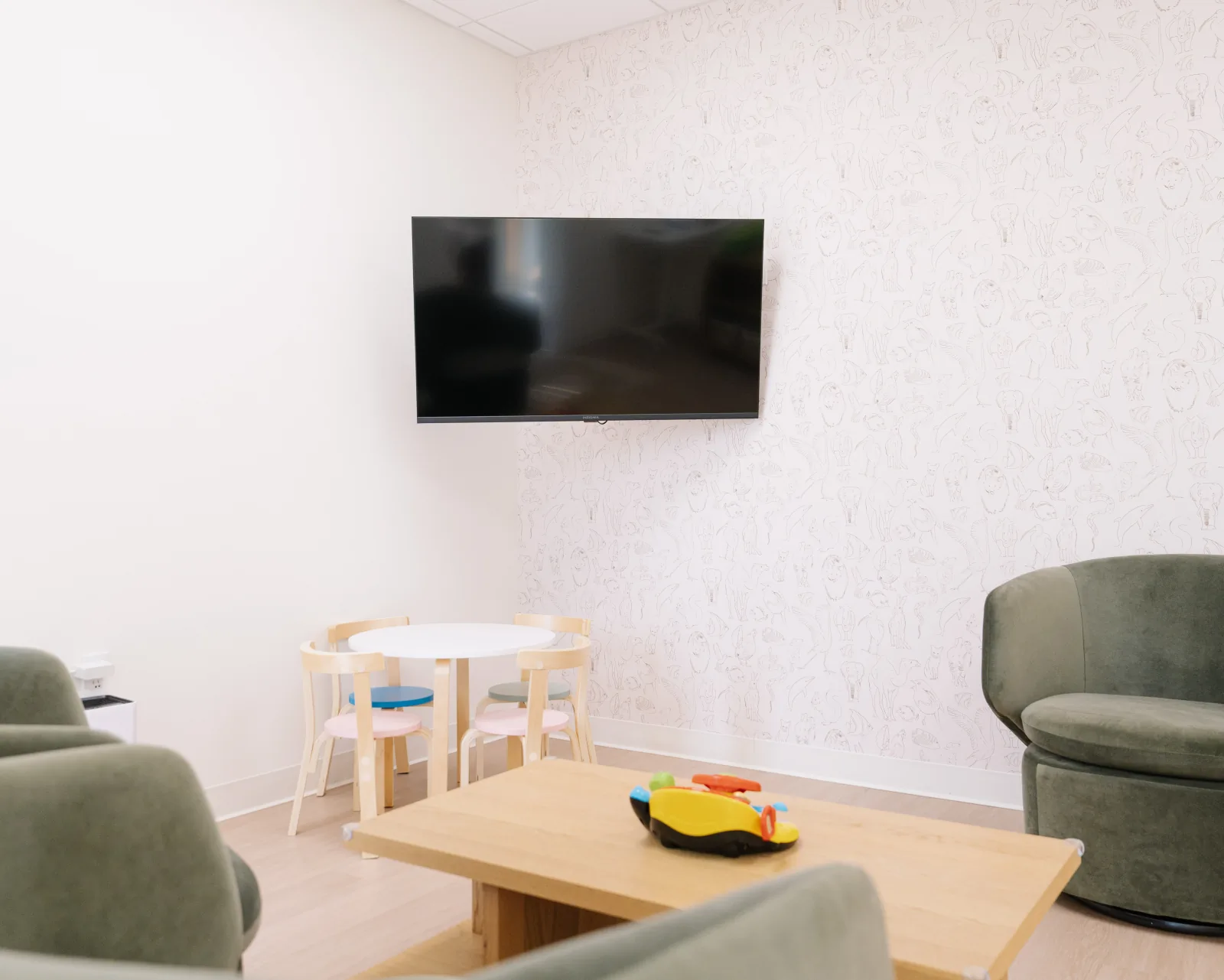
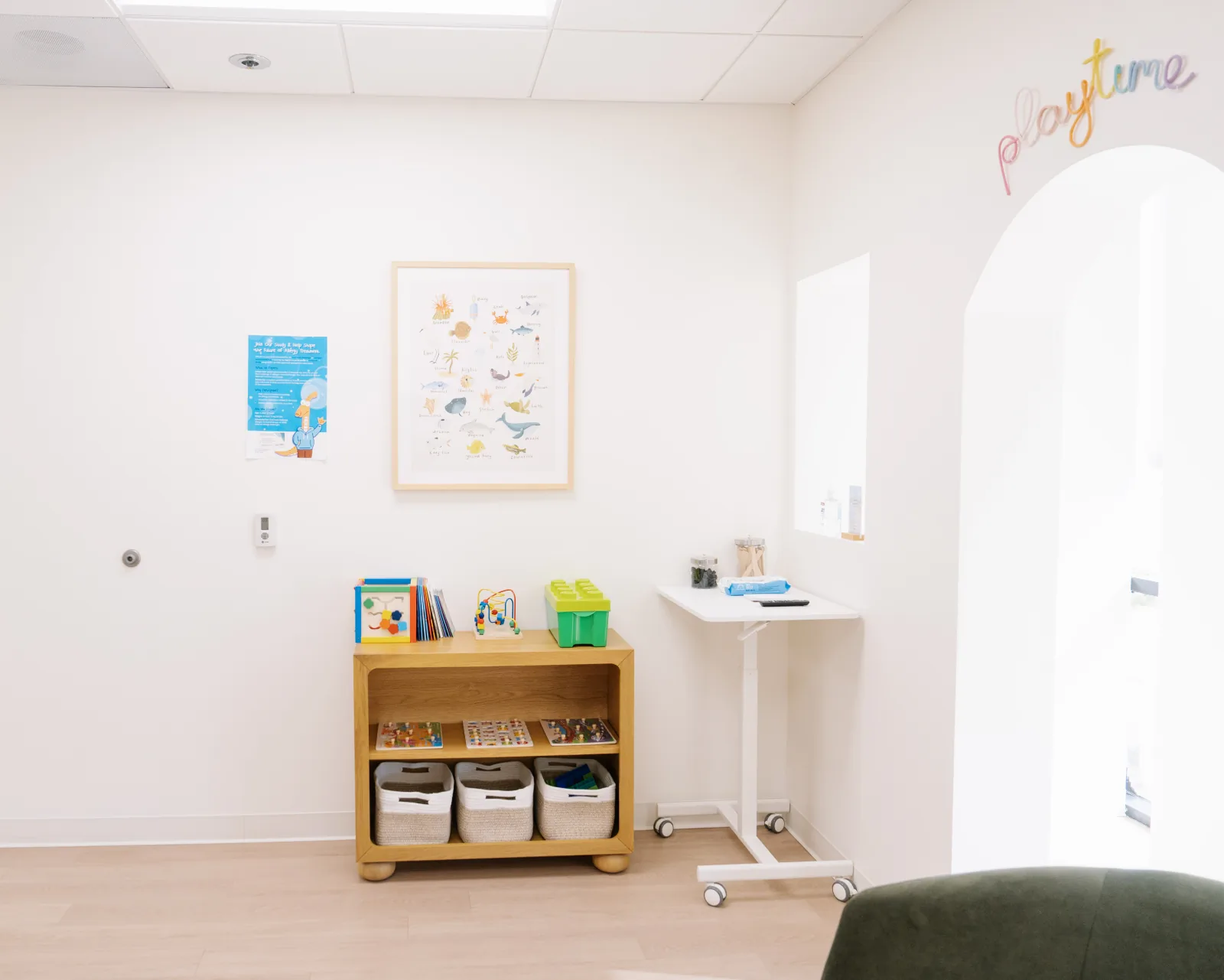
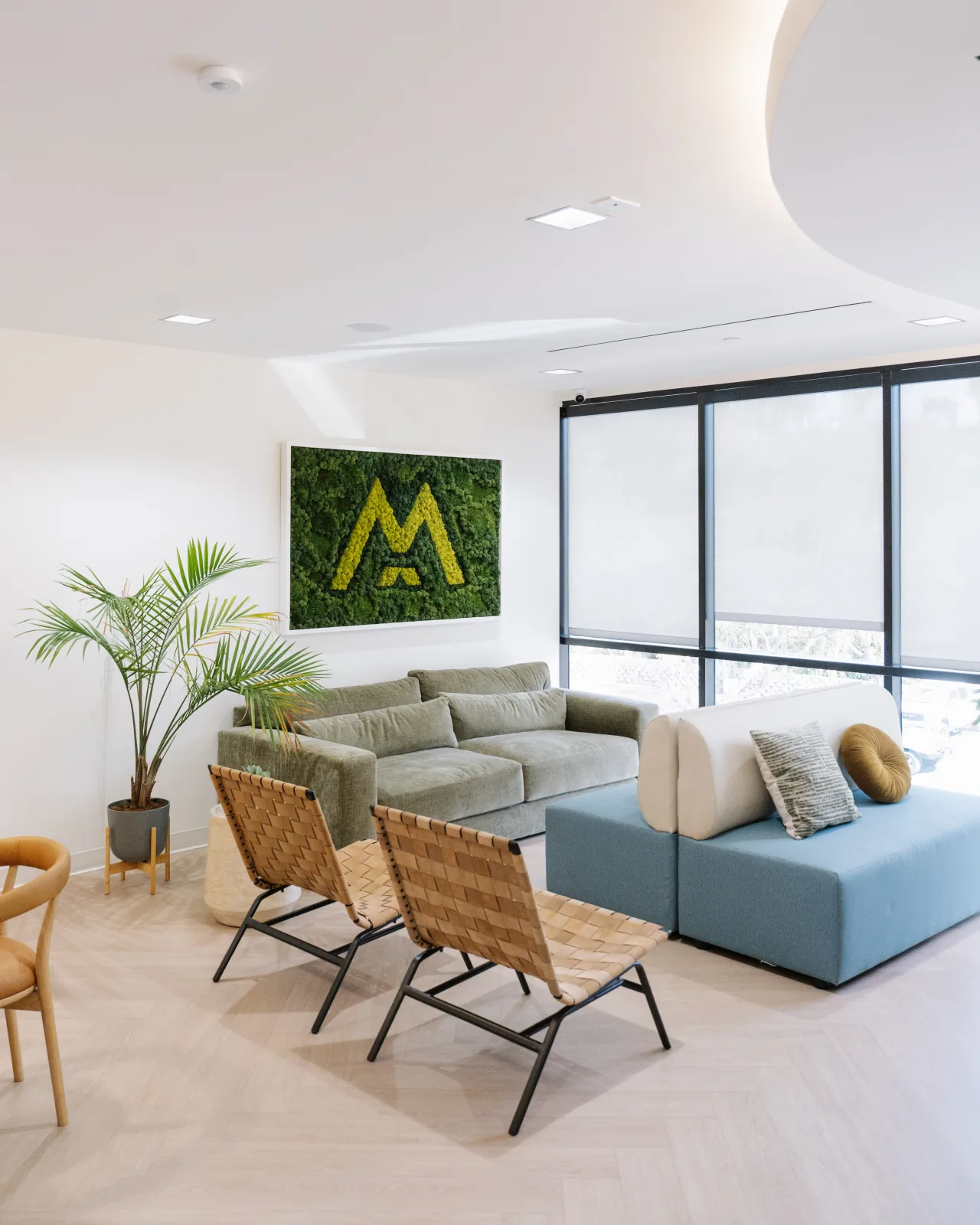
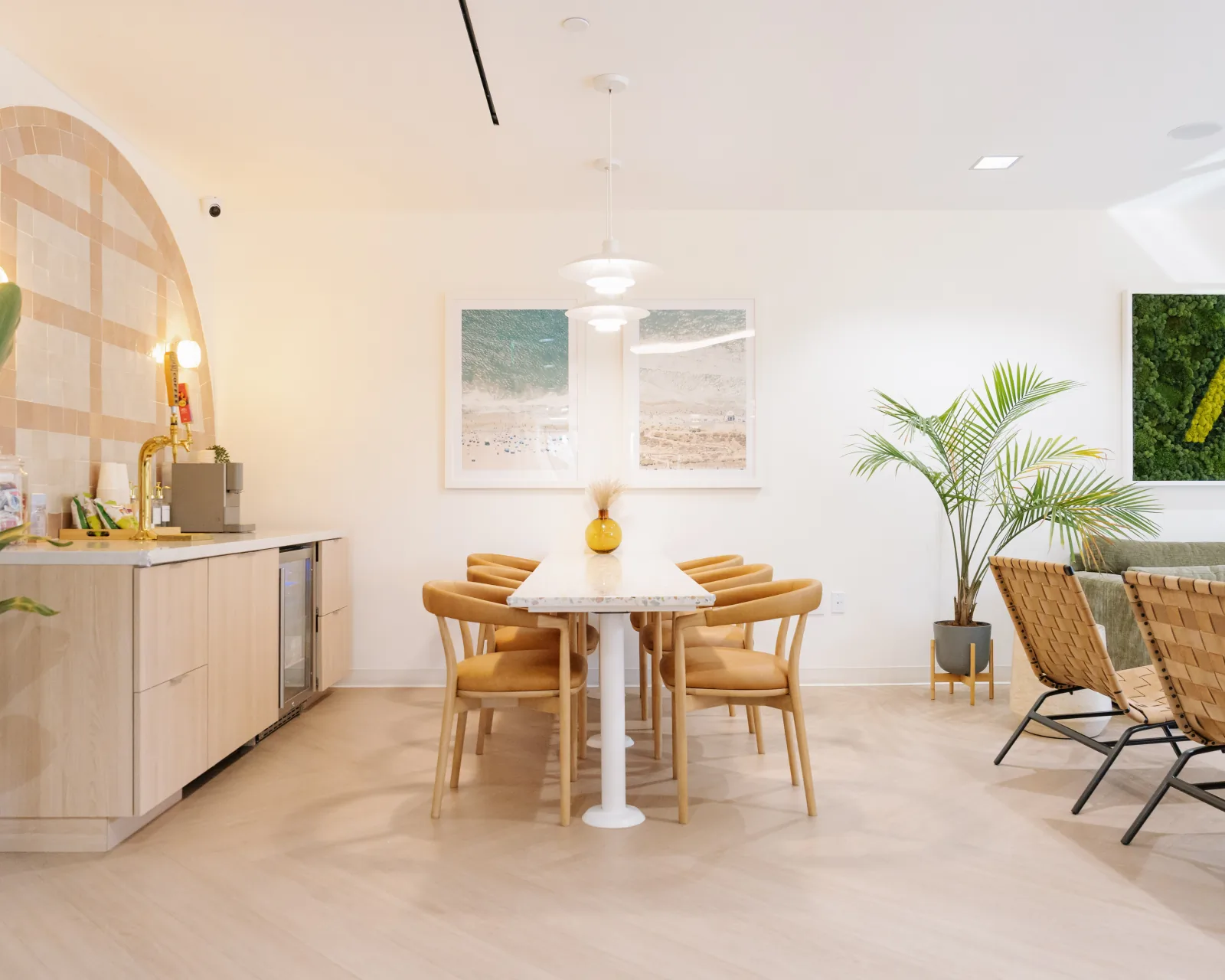
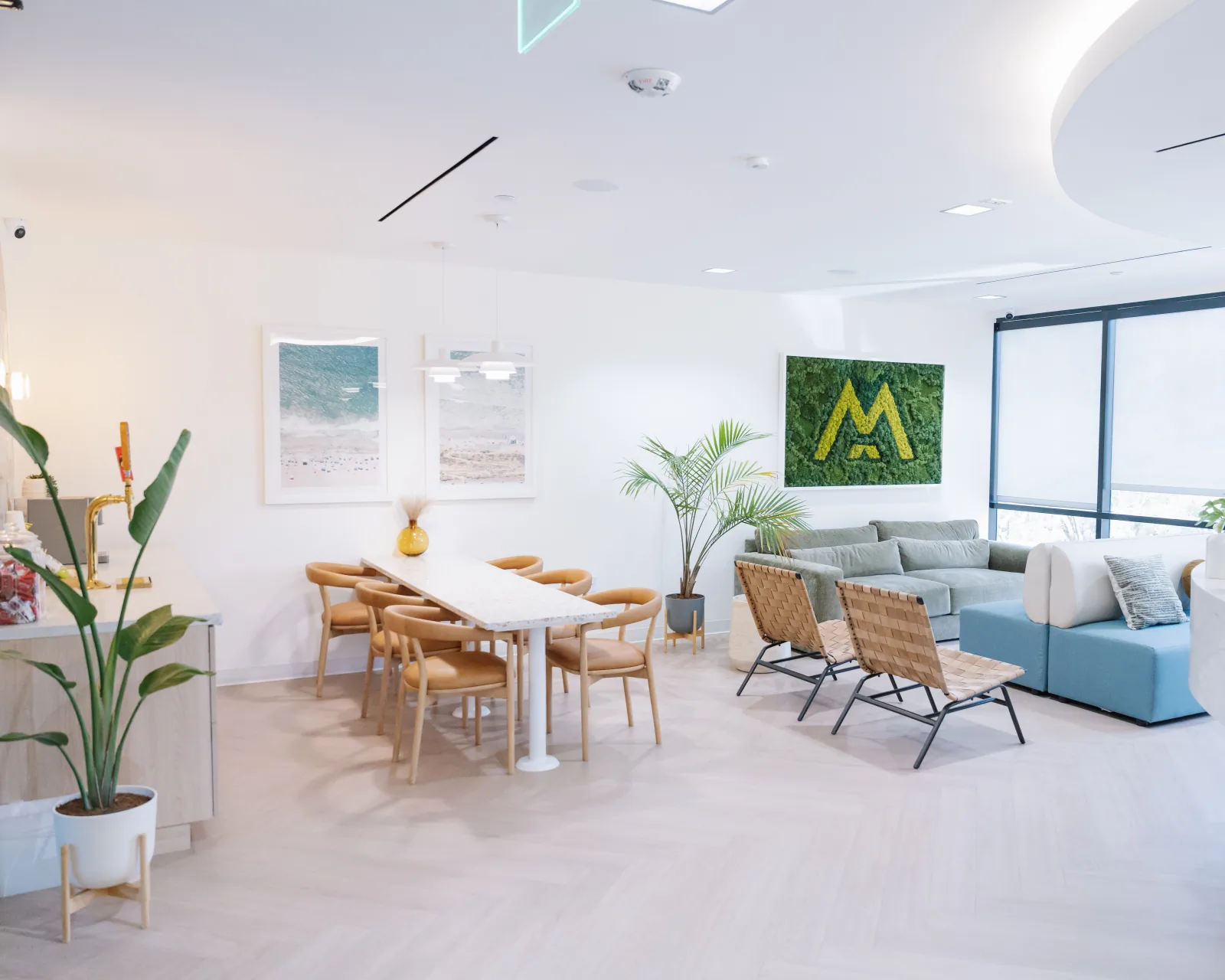
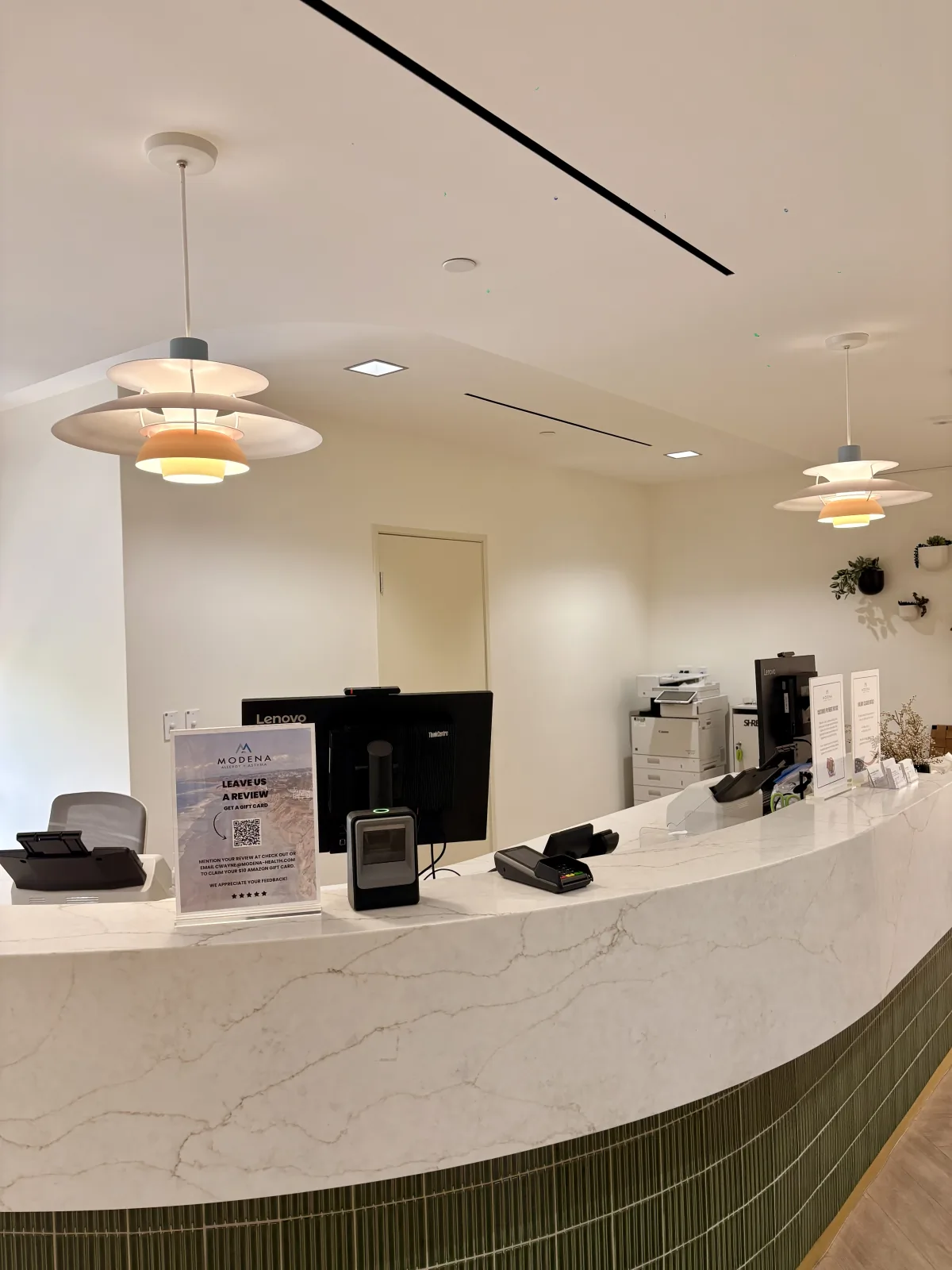
Beautiful office, very kid friendly. Almost no wait time, professional staff with one of the nicest doctors (Dr Doroudchi) I have ever talked to. Brought my kid for allergy testing, I will be coming back as patient myself!
Appointments & Insurance
Scheduling made easy for your experience.
We work with many major insurance carriers.





Don’t see your carrier?
Insurance participation varies by plan, provider, network, and location. Please contact our team with your insurance card to confirm current participation.
Ready to schedule?
Call us or submit an online appointment request.
Have questions about insurance?
Have your insurance card ready and our team can help confirm current participation.
Is this a medical emergency?
Call 911 and follow your prescribed emergency action plan. Please do not use this form for emergencies.
 Request an Appointment
Live Well
Request a consultation with our Solana Beach team.