Contact
  Locations
 .png) Call
Call Environmental Allergy Evaluation and Treatment in Solana Beach, CA
Environmental-allergy assessment in Solana Beach should compare symptoms at home, school, work, outdoors, around animals, and during travel elsewhere in North County or beyond.


Clinical Overview
About Environmental Allergy Care in Solana Beach
Environmental allergy evaluation starts with when and where nasal, eye, skin, or breathing symptoms occur. Targeted testing can identify sensitization to relevant allergens, while treatment may combine exposure reduction, medicines, and allergen immunotherapy when appropriate.
Track nose, eye, skin, cough, and wheeze symptoms separately. The clinician can use improvement and recurrence patterns to choose relevant allergens without presuming that coastal location alone explains the problem.
Targeted testing may inform avoidance, medication, or immunotherapy; an unmatched positive result may not need action.
For a broader clinical overview, read the environmental allergy care guide.
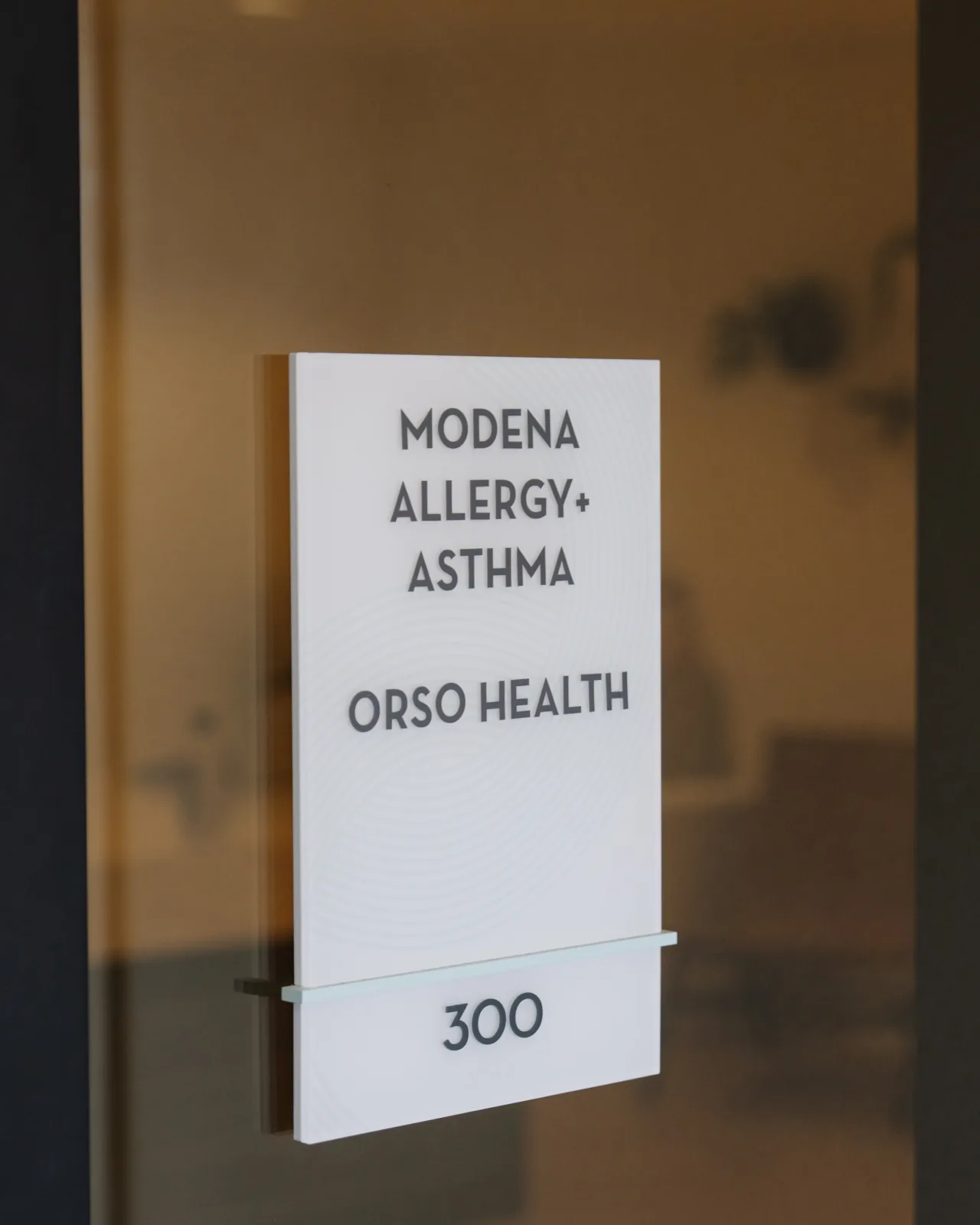
Local clinic: Modena Health Solana Beach, 462 Stevens Avenue, Suite 300, Solana Beach, CA 92075. Phone: 858-392-8660.
Clinical references: AAAAI: Rhinitis Overview and AAAAI: Allergy Testing.
Solana Beach Providers
Meet the Solana Beach Care Team
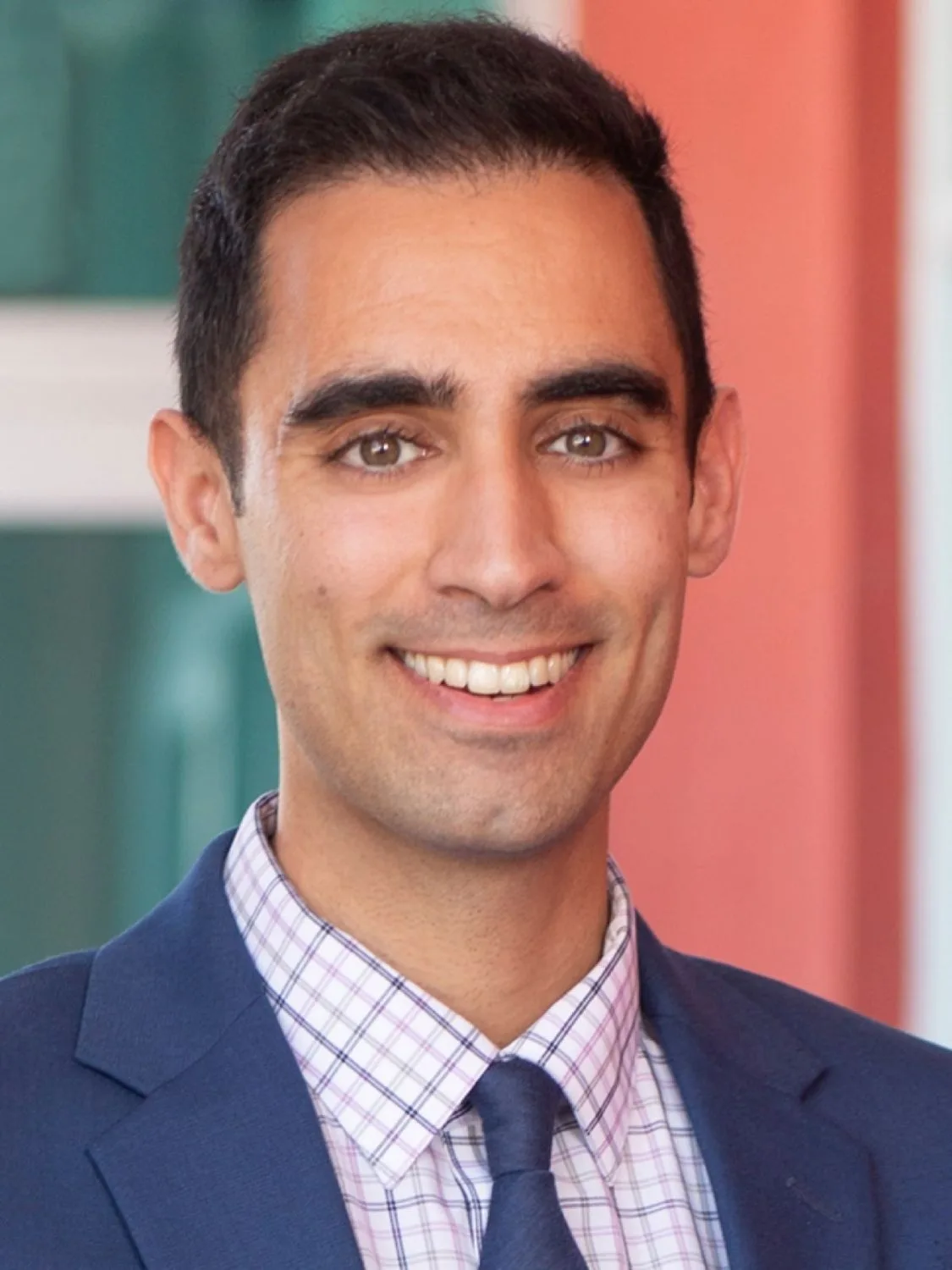
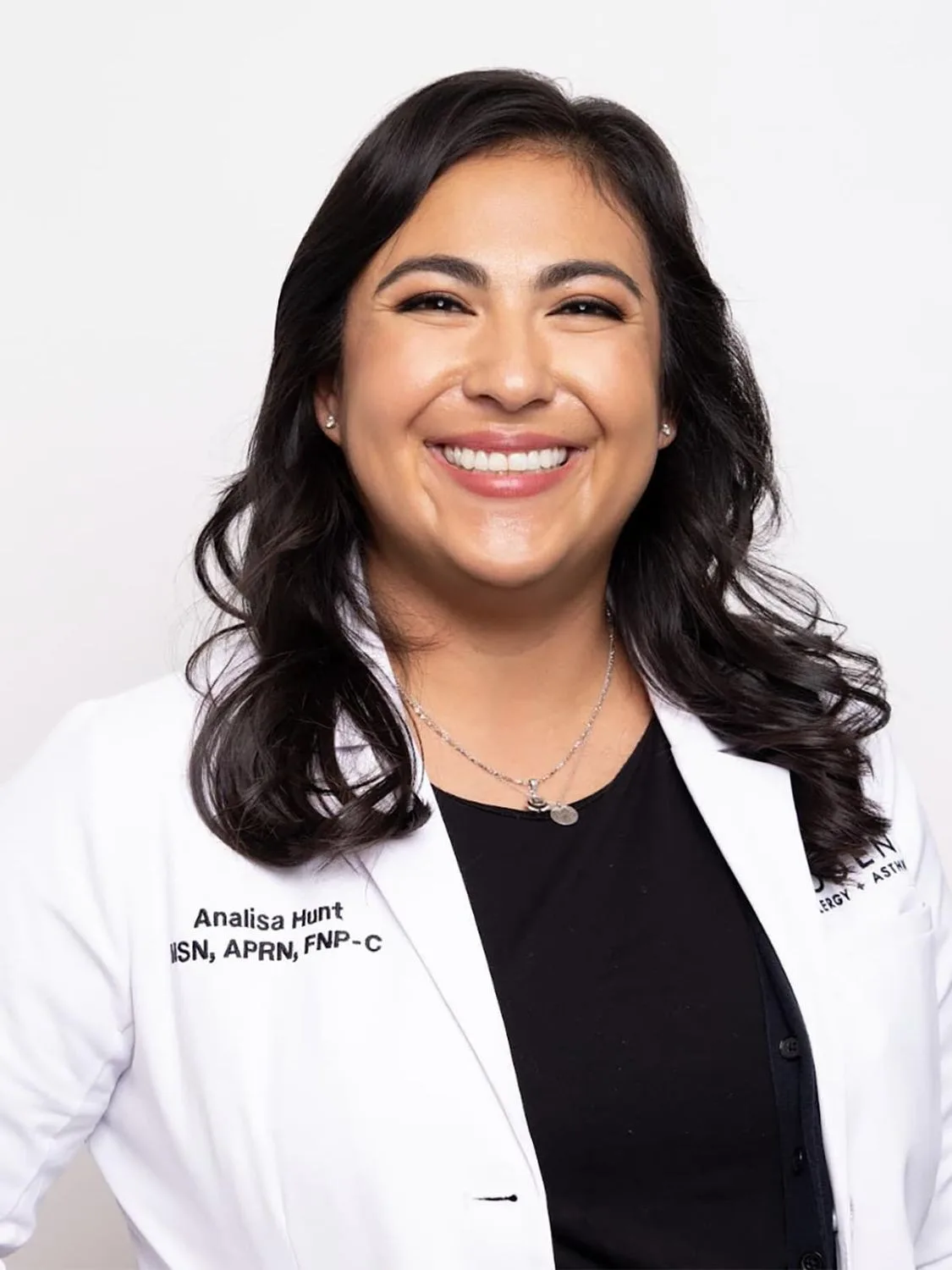
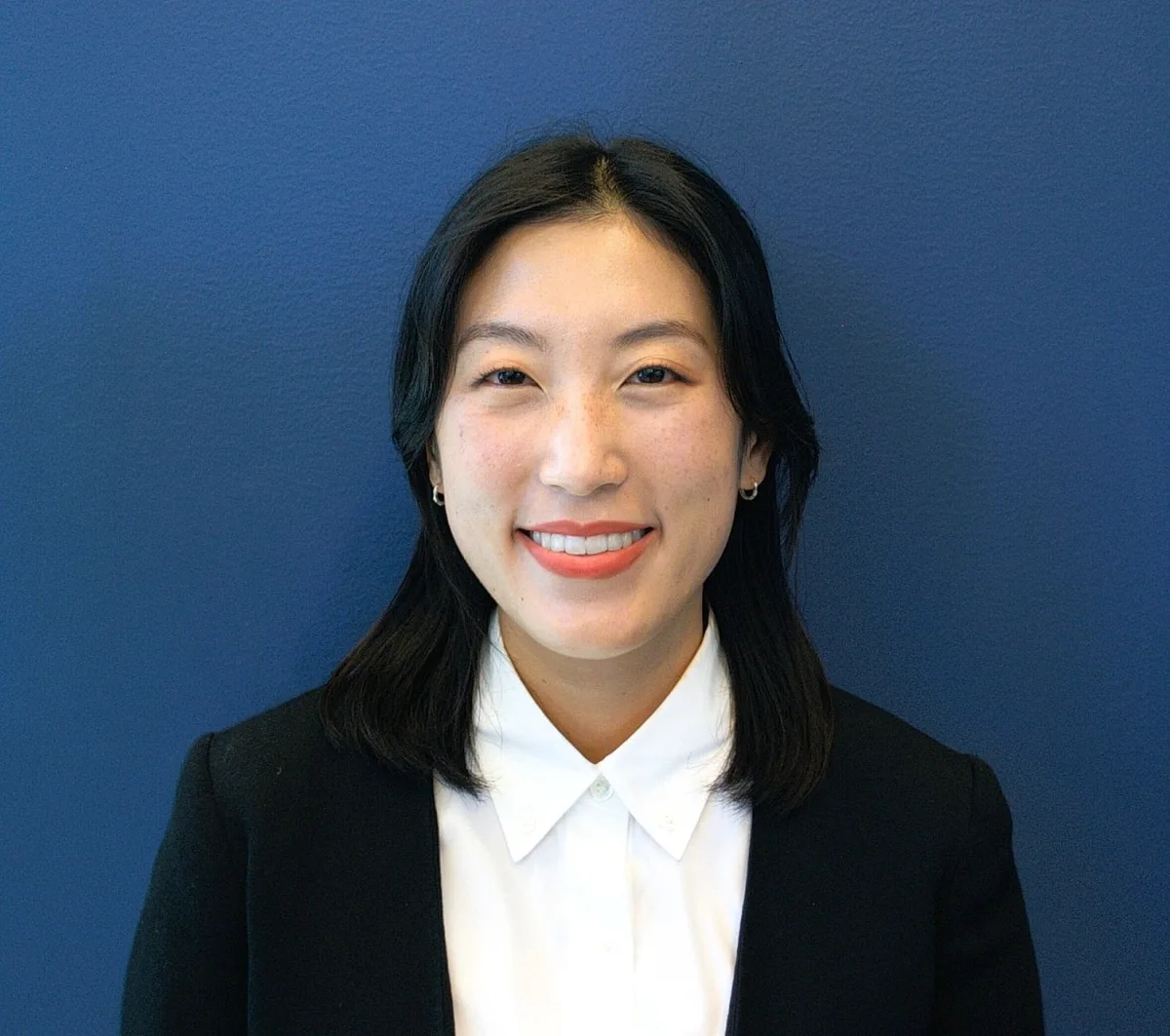
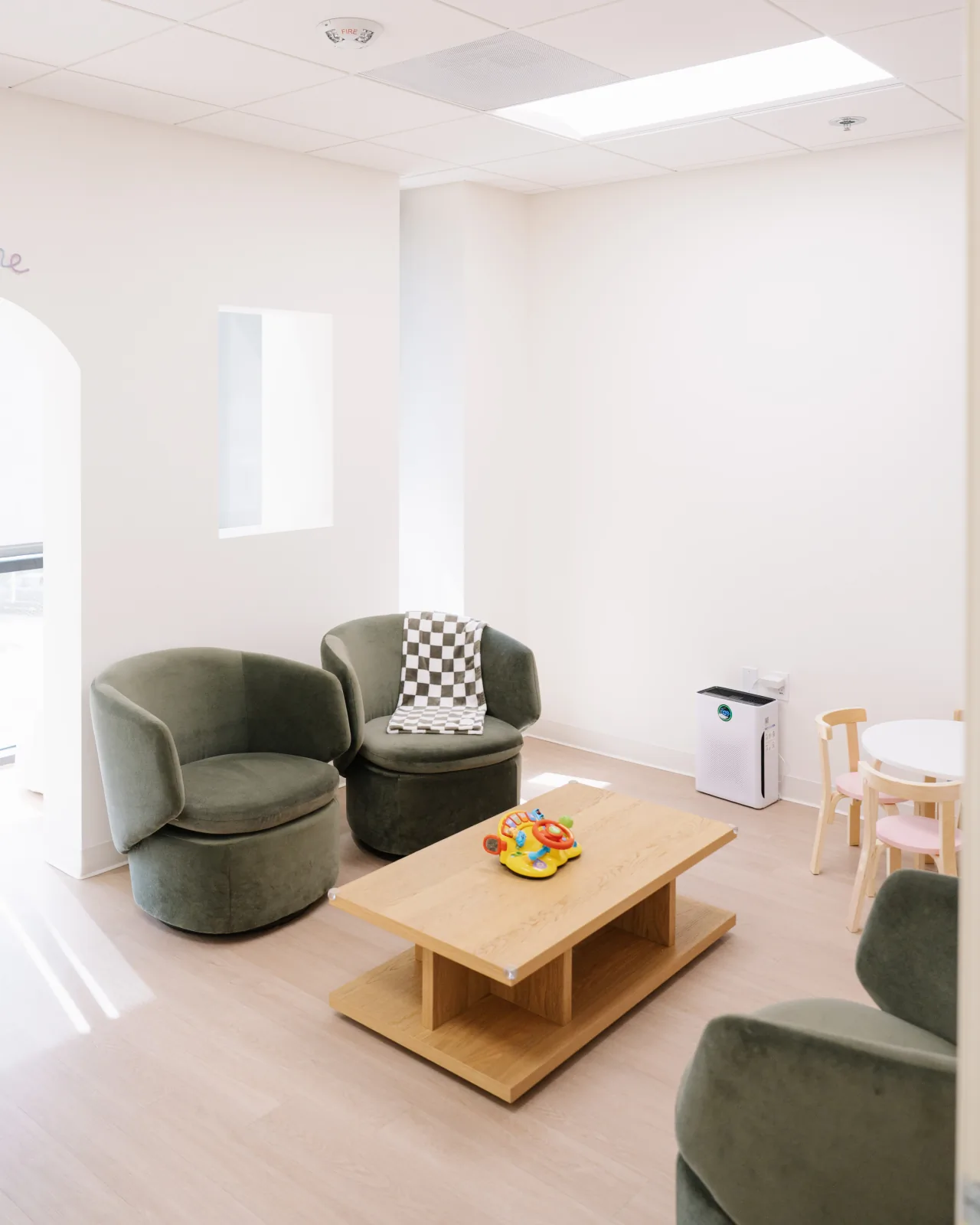
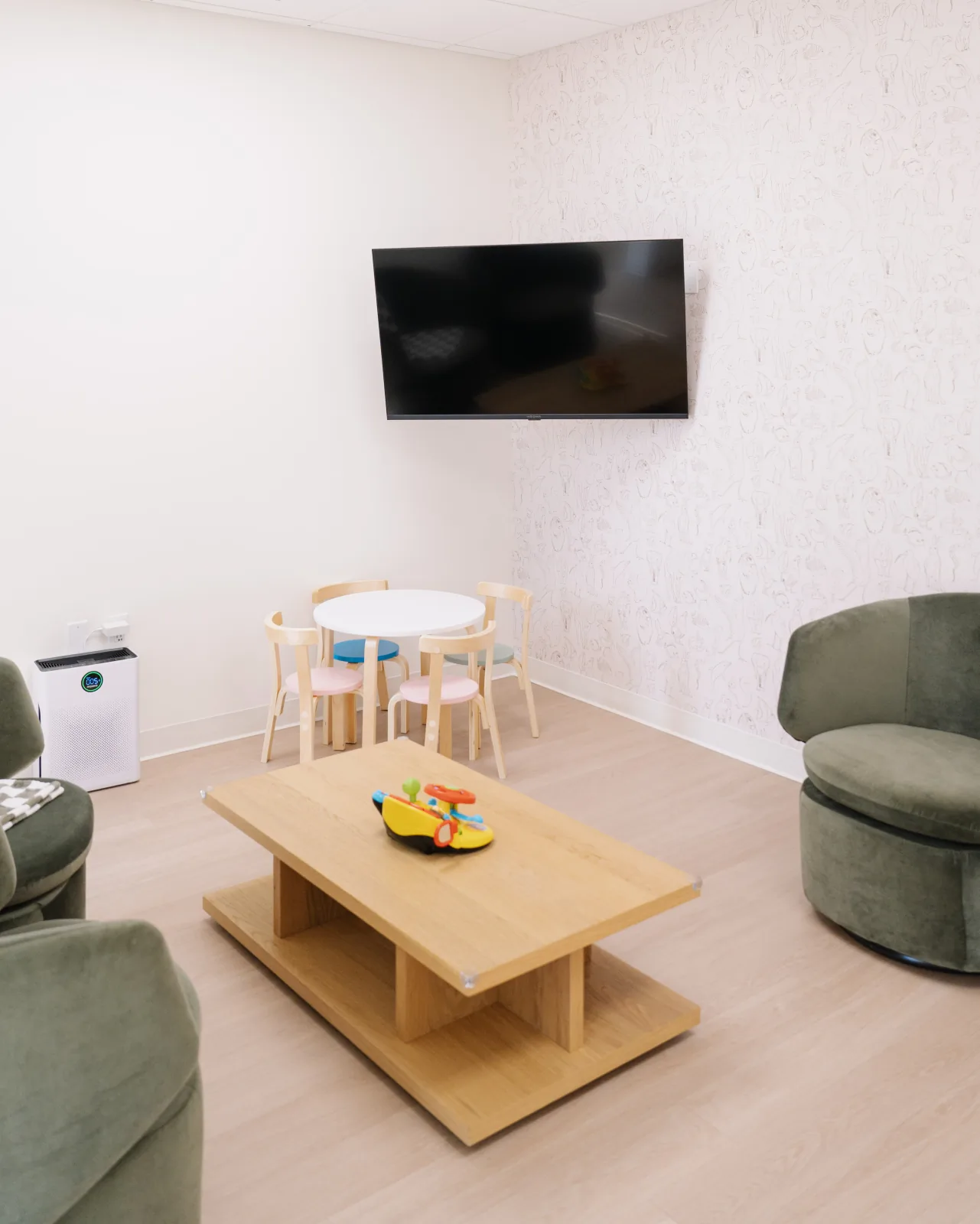
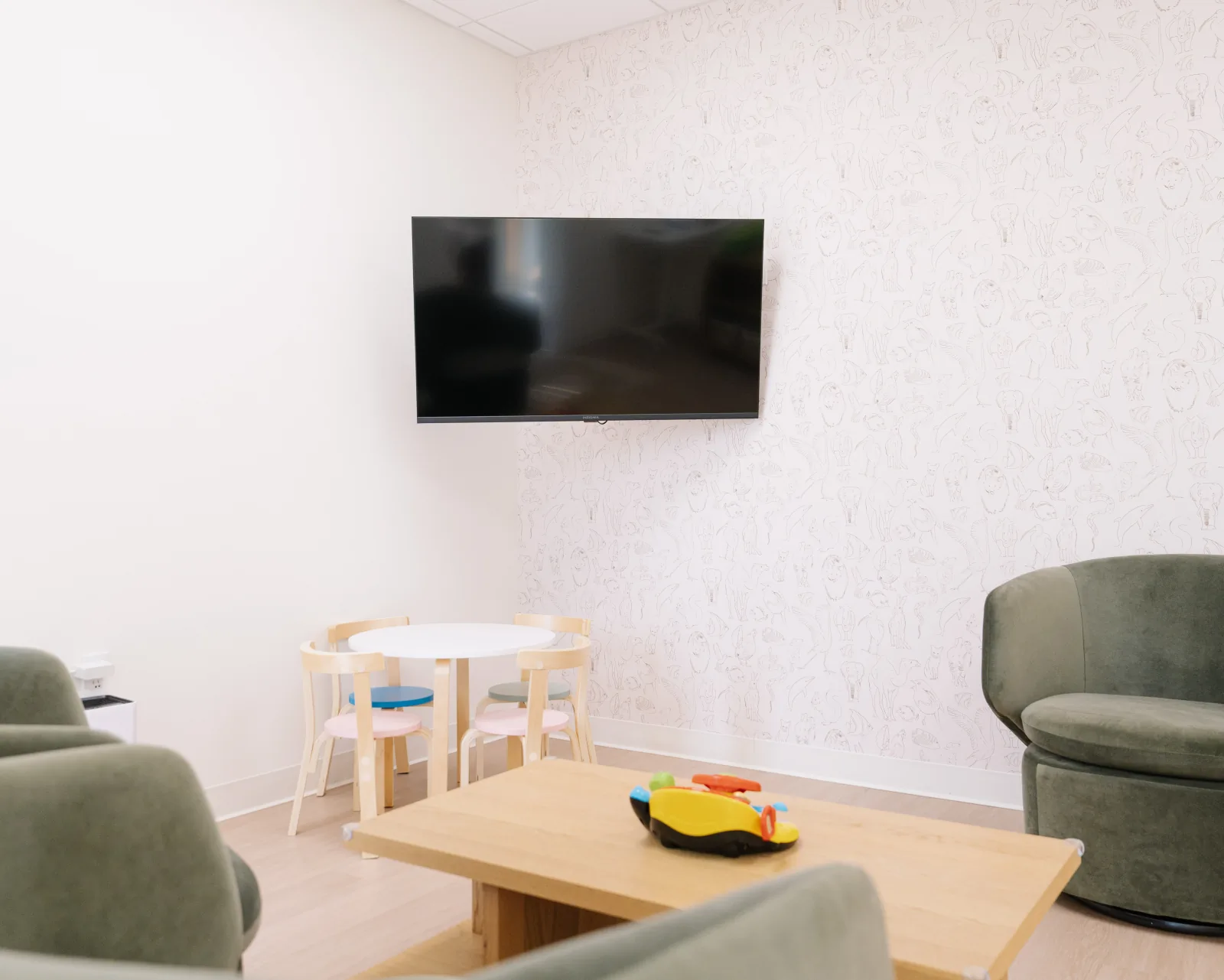
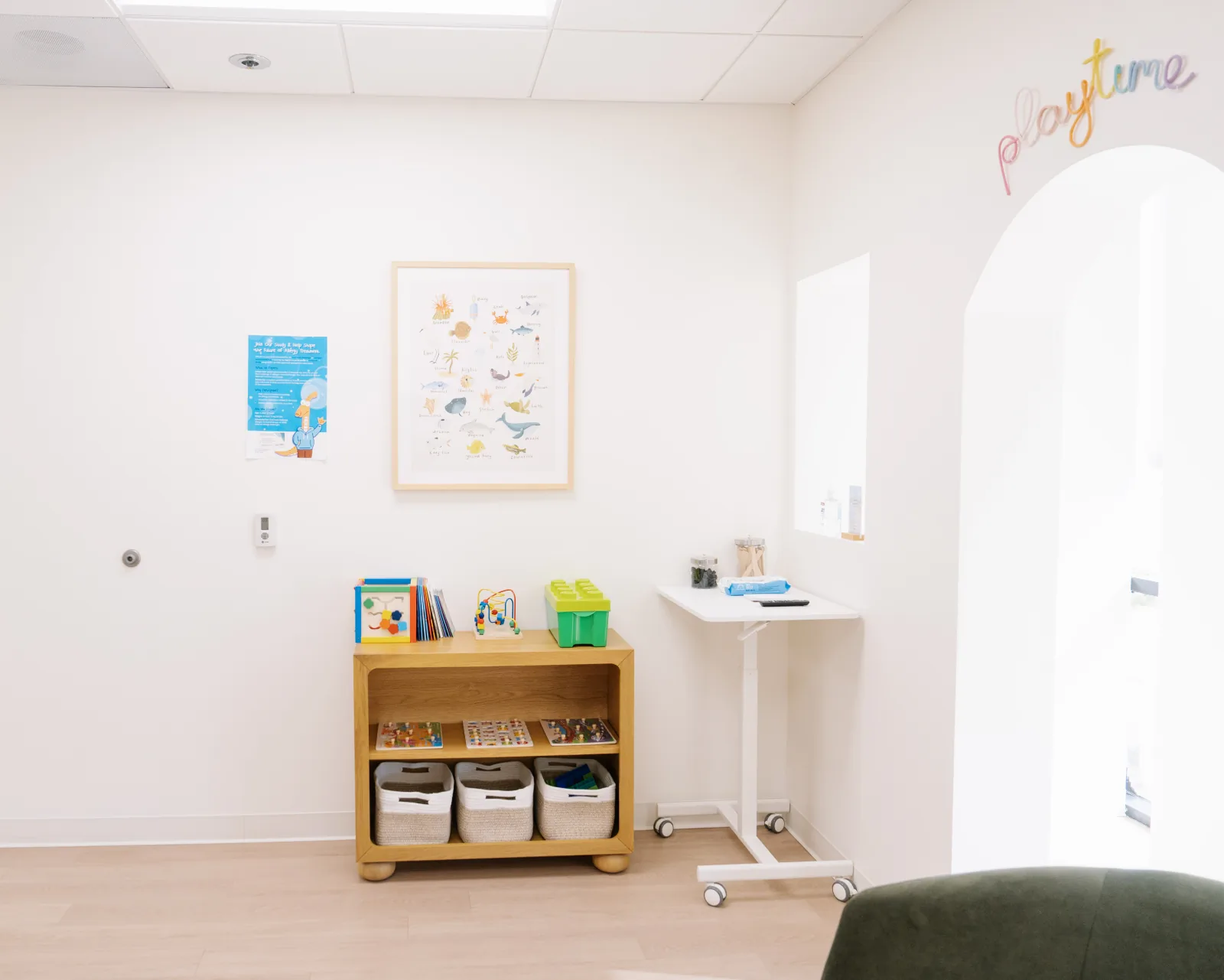

Frequently Asked Questions
Environmental Allergy Care Questions in Solana Beach
The clinician looks for a reproducible relationship between symptoms and exposures at home, work, school, outdoors, or around animals before selecting tests or treatment.
A positive test is interpreted alongside the calendar and exposure history. The plan should prioritize measures that are realistic and likely to help rather than asking a patient to avoid every positive result.
Relevant information includes a seasonal and location-based symptom calendar, details about animals, work, school, and home exposures, and medicines tried and any prior skin or blood testing. This context helps the clinician focus on evidence that can change diagnosis, treatment, or day-to-day care.
Patient Testimonials
Just visited Modena Allergy and had a great experience. The staff is amazing and very thoughtful and caring. Dr. Doroudchi is very gentle and knowledgeable. Will definitely return.
Appointments & Insurance
Scheduling made easy for your experience.
We work with many major insurance carriers.





Don’t see your carrier?
Insurance participation varies by plan, provider, network, and location. Please contact our team with your insurance card to confirm current participation.
Ready to schedule?
Call us or submit an online appointment request.
Have questions about insurance?
Have your insurance card ready and our team can help confirm current participation.
Is this a medical emergency?
Call 911 and follow your prescribed emergency action plan. Please do not use this form for emergencies.
 Request an Appointment
Live Well
Request a consultation with our Solana Beach team.