Contact
  Locations
 .png) Call
Call Same-Day Allergy and Asthma Care in Solana Beach, CA
Same-day care in Solana Beach is intended for stable, non-life-threatening allergy, asthma, skin, or upper-airway concerns when an appropriate appointment is available.

Clinical Overview
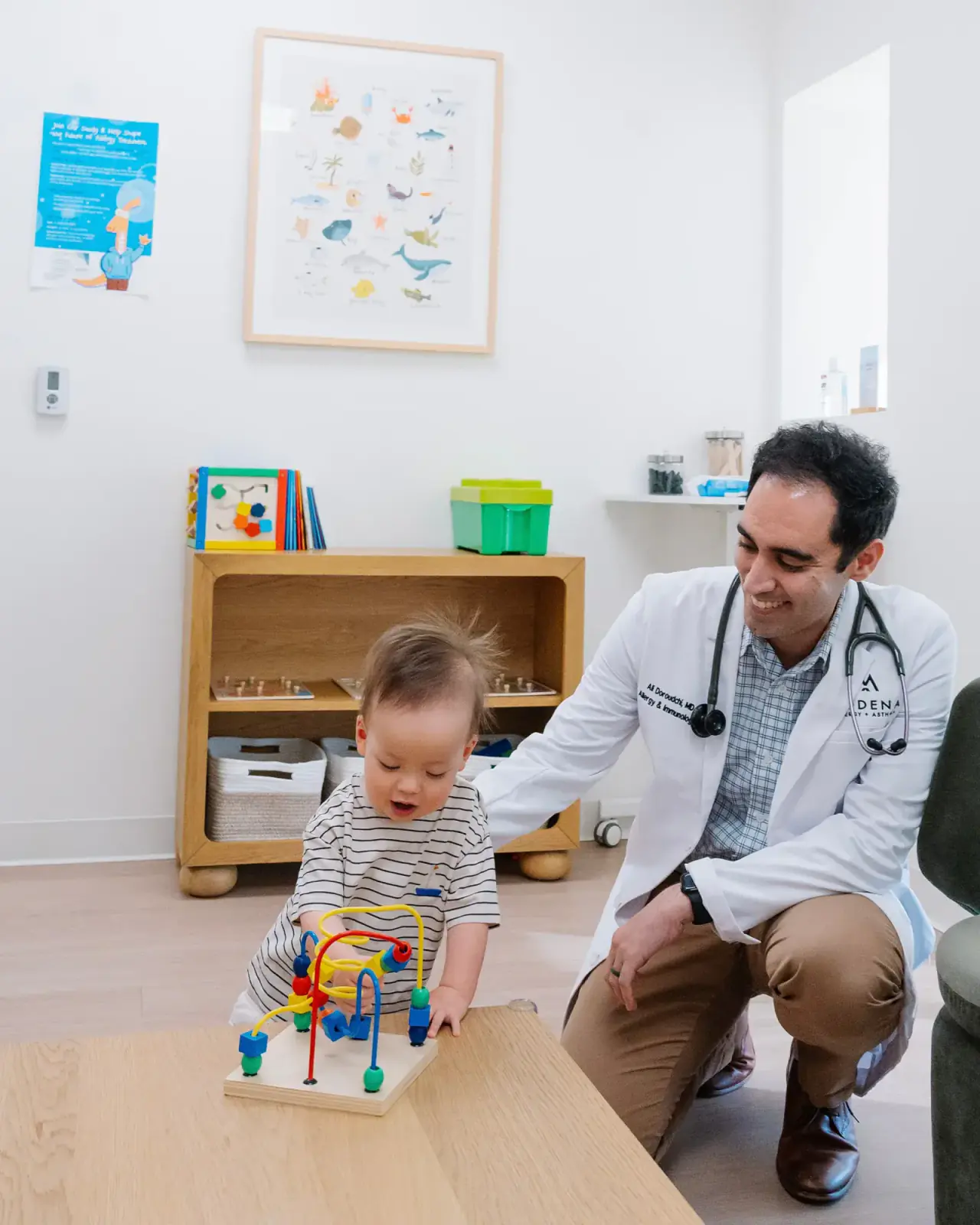
About Same-Day Allergy Care in Solana Beach
Same-day or next-day visits may be available for non-emergency allergy, asthma, skin, and upper-airway concerns. Appointment confirmation depends on triage and capacity; trouble breathing, throat or tongue swelling, fainting, severe asthma, or possible anaphylaxis requires emergency care.
The office must first understand current symptoms, onset, known diagnoses, and response to the existing action plan.
A focused visit may provide assessment, treatment guidance, action-plan review, testing plans, or referral, but it does not guarantee that a procedure will occur that day.
Solana Beach staff can triage whether office care is appropriate, check same-day capacity, and tell you when a higher level of care is safer.
For a broader clinical overview, read the same-day allergy care guide.
Local clinic: Modena Health Solana Beach, 462 Stevens Avenue, Suite 300, Solana Beach, CA 92075. Phone: 858-392-8660.
Clinical references: AAAAI: Anaphylaxis and NHLBI: Asthma Attacks.
Solana Beach Providers
Meet the Solana Beach Care Team








Frequently Asked Questions
Same-Day Allergy Care Questions in Solana Beach
The office visit provides a focused assessment of a stable, non-life-threatening concern and a next step such as treatment, an action-plan update, follow-up testing, or referral.
The team first confirms that an office setting is appropriate. If symptoms are severe, rapidly worsening, or not responding to the rescue plan, call 911 or go to the nearest emergency department rather than waiting for an appointment.
Relevant information includes identification, insurance, and any required referral, all inhalers, epinephrine devices, and current medicines, and recent results, photographs, and a concise symptom timeline. This context helps the clinician focus on evidence that can change diagnosis, treatment, or day-to-day care.
Patient Testimonials
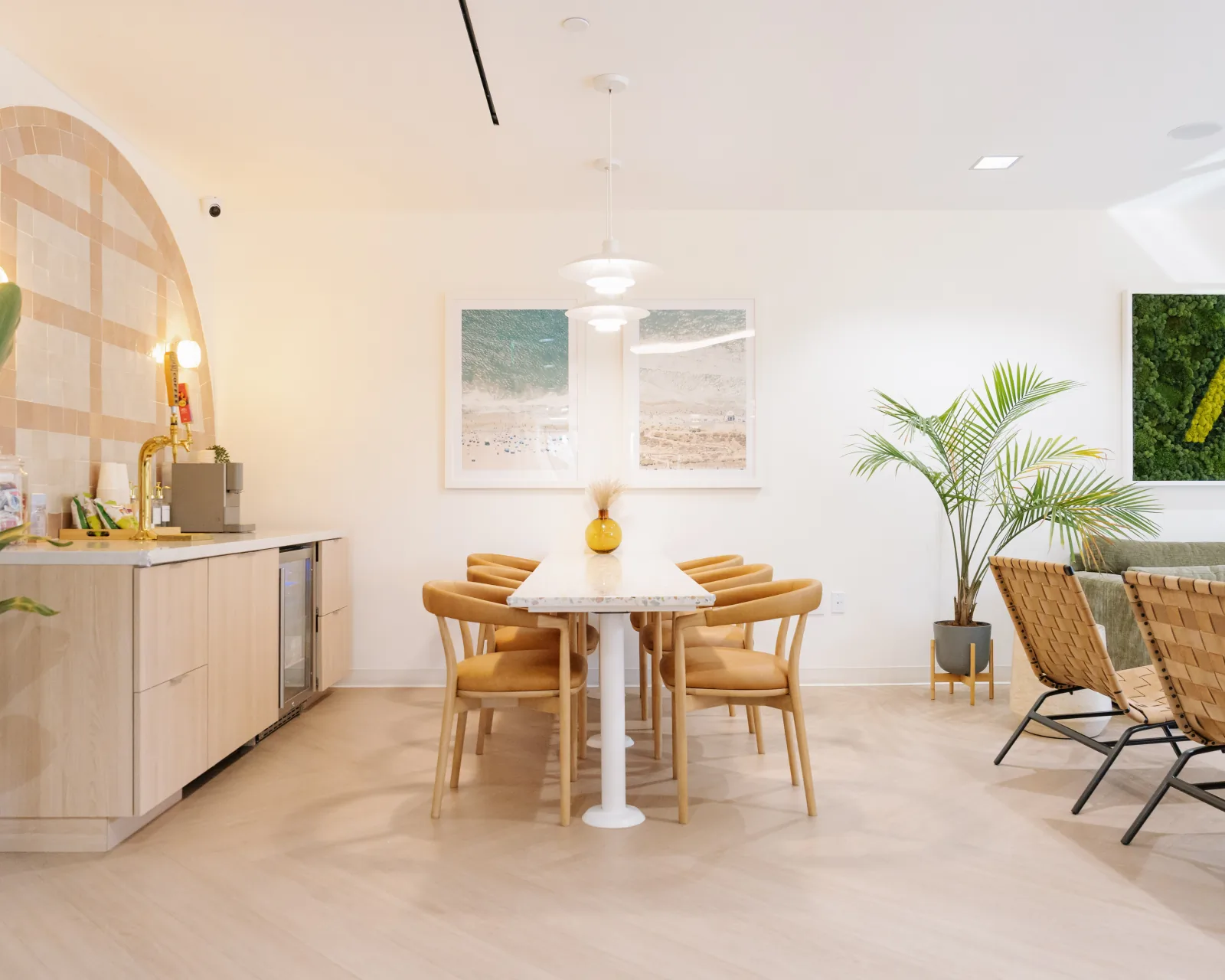
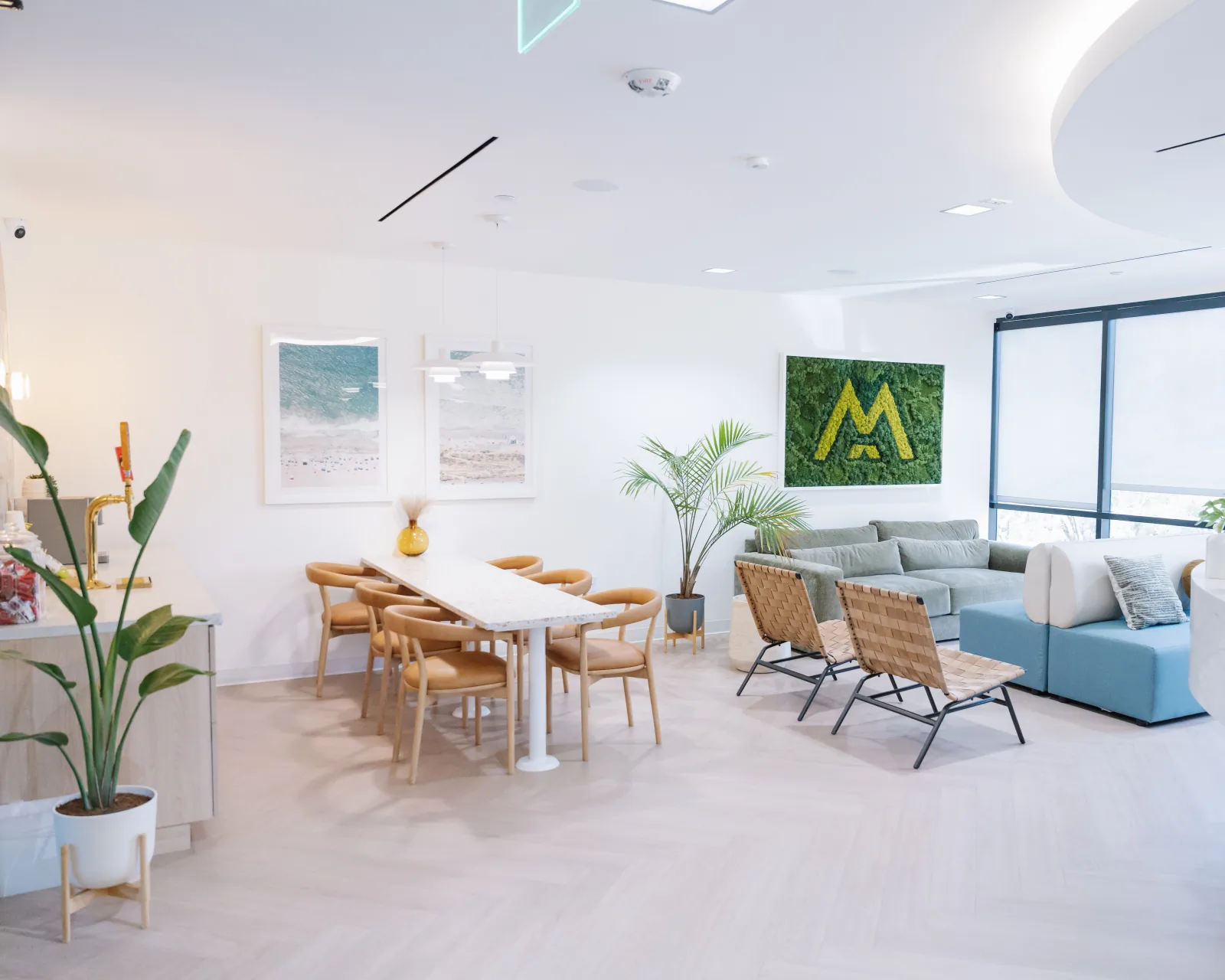
The staff is wonderful, beautiful office and coffee bar. The front staff, nurses, and doctors are knowledgeable and very friendly.
Appointments & Insurance
Scheduling made easy for your experience.
We work with many major insurance carriers.





Don’t see your carrier?
Insurance participation varies by plan, provider, network, and location. Please contact our team with your insurance card to confirm current participation.
Ready to schedule?
Call us or submit an online appointment request.
Have questions about insurance?
Have your insurance card ready and our team can help confirm current participation.
Is this a medical emergency?
Call 911 and follow your prescribed emergency action plan. Please do not use this form for emergencies.
 Request an Appointment
Live Well
Request a consultation with our Solana Beach team.