Contact Locations Call

Condition Guide

Seasonal Allergies

Seasonal allergies occur when pollen exposure triggers nasal, eye, or asthma symptoms. The calendar differs by region and weather, so treatment works best when it follows the patient’s own pattern rather than a generic national season.

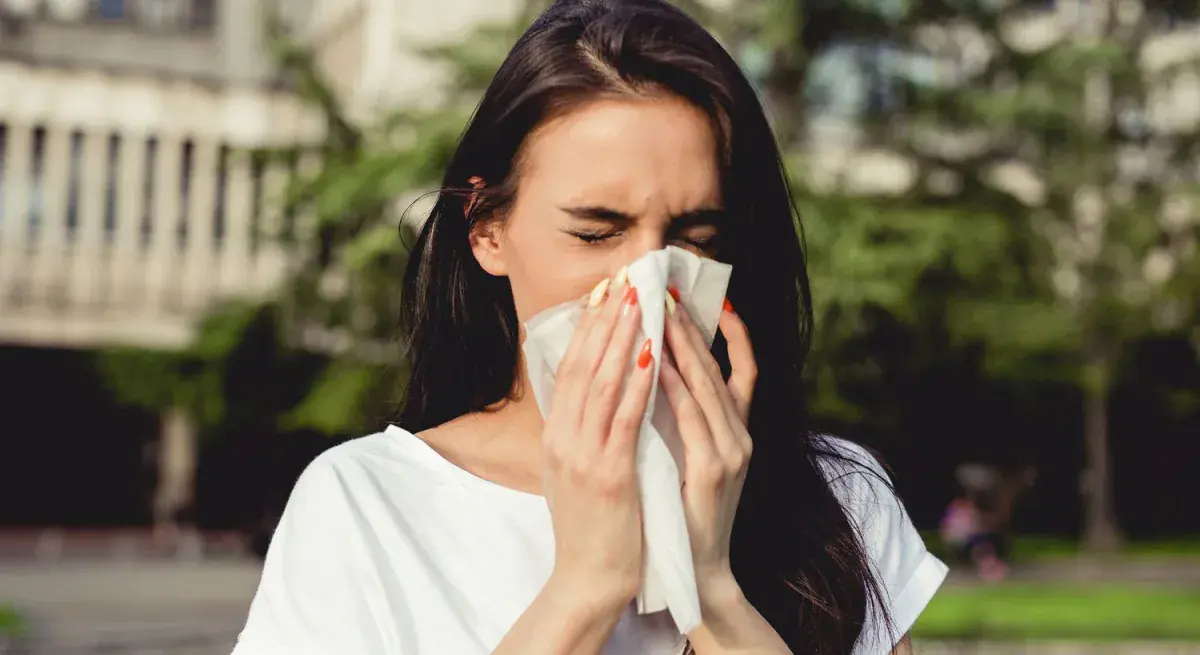
Patient managing outdoor allergy symptoms.

Understanding Seasonal Allergies

Seasonal Allergies: what the first evaluation should clarify

Track the local season

Note the first and last weeks of symptoms, outdoor activities, wind, rain, travel, and whether symptoms improve indoors. Trees, grasses, and weeds pollinate at different times, while desert and coastal conditions create distinct patterns.

Year-round symptoms may point to indoor allergens or nonallergic rhinitis as well.

Testing with a purpose

Skin or blood testing can identify sensitization to relevant regional pollens when the result could guide avoidance or immunotherapy. A positive test to a pollen outside the symptom window may not explain the problem.

The allergist also reviews asthma, sinus, and eye symptoms because they may need coordinated treatment.

Parent and child spending time with a cat at home.

Care Options

Plan before symptoms peak

Starting an effective nasal spray before the usual season, monitoring pollen, changing clothes after outdoor exposure, rinsing the nose, and keeping windows closed during high counts may help.

Allergy shots or sublingual immunotherapy can be considered for selected patients with persistent, confirmed pollen allergy.

Seasonal Allergies planning questions

Build the seasonal allergies next step from evidence

Seasons differ across California and Arizona

Tree, grass, and weed pollen periods vary by climate, elevation, irrigation, weather, and neighborhood vegetation. Southern California may have long overlapping seasons, while Arizona symptoms may reflect desert weeds, grasses, dust, smoke, and moisture-related changes during monsoon periods.

Use local pollen and air-quality information as context, then compare it with the patient’s actual days outdoors, travel, and symptom pattern.

Reduce exposure without living indoors

On high-exposure days, closing windows when practical, changing clothes after prolonged outdoor activity, showering before bed, and avoiding outdoor drying of bedding can reduce pollen brought indoors. Vehicle and home filtration require regular maintenance to work as intended.

Masks may reduce inhaled particles during yard work or dusty conditions, but they do not treat established nasal, eye, or asthma inflammation.

Know the Next Step

Know when seasonal symptoms need more than OTC care

Persistent sleep disruption, repeated sinus concerns, wheeze, exercise limitation, frequent reliever use, or symptoms that continue outside the expected season deserve reassessment. The diagnosis, medicine technique, adherence, and competing causes should be reviewed before simply adding more products.

For confirmed clinically relevant pollen allergy, immunotherapy may be discussed when avoidance and appropriate medicines do not provide acceptable control.

Plan Before the Peak

A pollen calendar should be personalized to symptoms and local exposure

Trees, grasses, and weeds release pollen at different times, and weather can shift the start, intensity, and duration of a season. Record symptom dates rather than relying only on a generic calendar. Windy dry days, outdoor work, gardening, travel, and open windows may change exposure, while rain can produce short-term changes that do not end a season.

Treatment often works better when started according to the anticipated pattern instead of waiting until inflammation is severe. The plan may combine nasal medicine, eye treatment, antihistamines, and practical exposure steps. Technique, schedule, and the specific symptom being measured should be reviewed before concluding that a medicine failed.

Targeted testing can connect the calendar to relevant pollens and support an immunotherapy discussion when symptoms remain significant. A positive panel item outside the symptom season may not be the main driver of the patient’s current problem.

Condition Questions

Seasonal allergy timing and pollen questions

Why do seasonal allergies start at different times each year?

Temperature, rainfall, wind, plant growth, and location affect pollen release. A personal symptom record across years can be more useful than a fixed calendar date.

Do high pollen counts predict exactly how I will feel?

No. Counts describe outdoor sampling and do not measure an individual’s exact exposure or sensitivity. Activity, location, indoor filtration, medicines, and relevant pollen species all matter.

Can seasonal and year-round allergies occur together?

Yes. A person may have pollen-related peaks plus indoor exposure to dust mites, animals, or molds. The evaluation should identify which pattern is active rather than treating every month the same way.

Care Connected with Seasonal Allergies

Evaluation and treatment related to Seasonal Allergies

These diagnostic and treatment topics can shape a focused seasonal allergies discussion.

Allergic Rhinitis (Hay Fever)

Allergic Rhinitis (Hay Fever) can clarify a separate question that often appears while evaluating Seasonal Allergies.

View guide

Sublingual Immunotherapy (SLIT)

Use the Sublingual Immunotherapy (SLIT) guide to compare preparation, evidence, and next steps alongside Seasonal Allergies.

View guide

Spring Allergy Guide for Southern California

Open Spring Allergy Guide for Southern California for connected testing or treatment decisions that may follow a Seasonal Allergies discussion.

Read guide

Plan the next seasonal allergies conversation

Bring the symptom, reaction, testing, and treatment records named in this Seasonal Allergies guide so the visit can answer a focused question.