Contact
  Locations
 .png) Call
Call Environmental Allergy Evaluation and Treatment in Long Beach, CA
Environmental symptoms in Long Beach can cross home, school, workplace, coastal outdoor, and indoor settings.


Clinical Overview
About Environmental Allergy Care in Long Beach
Environmental allergy evaluation starts with when and where nasal, eye, skin, or breathing symptoms occur. Targeted testing can identify sensitization to relevant allergens, while treatment may combine exposure reduction, medicines, and allergen immunotherapy when appropriate.
A useful diary records where symptoms begin, which rooms or activities make them worse, animal exposure, time away from the area, and whether the nose, eyes, skin, or lungs are involved. The clinician uses those contrasts to choose clinically plausible allergens rather than testing by ZIP code.
Targeted testing may inform avoidance, medication, or immunotherapy planning, but sensitization without matching symptoms may not require action.
For a broader clinical overview, read the environmental allergy care guide.
Local clinic: Modena Health Long Beach, 3816 Woodruff Avenue, Suite 209, Long Beach, CA 90808. Phone: 562-496-4749.
Clinical references: AAAAI: Rhinitis Overview and AAAAI: Allergy Testing.
Long Beach Care Team
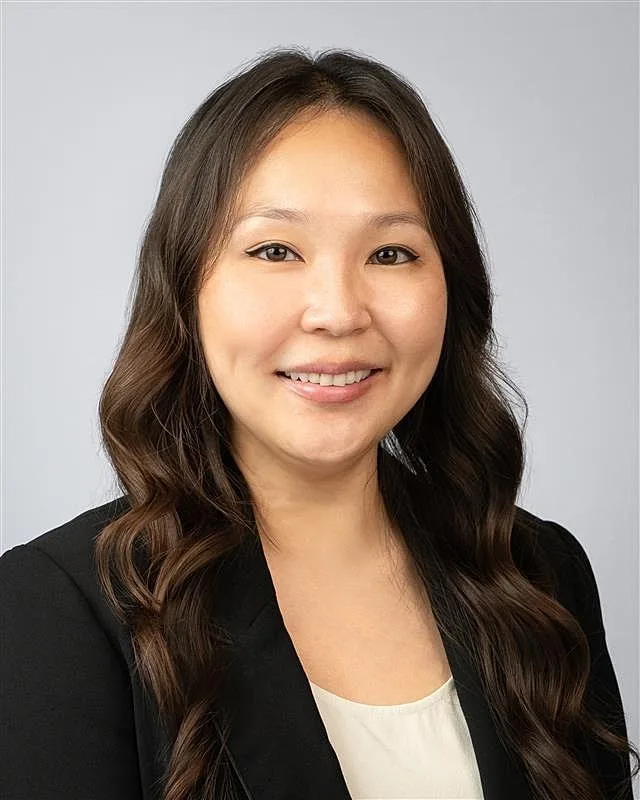
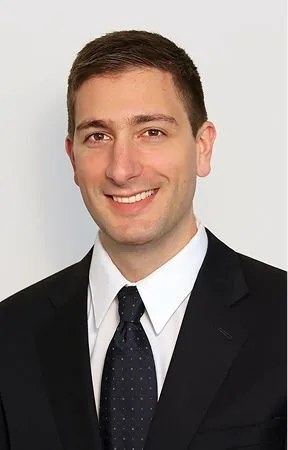
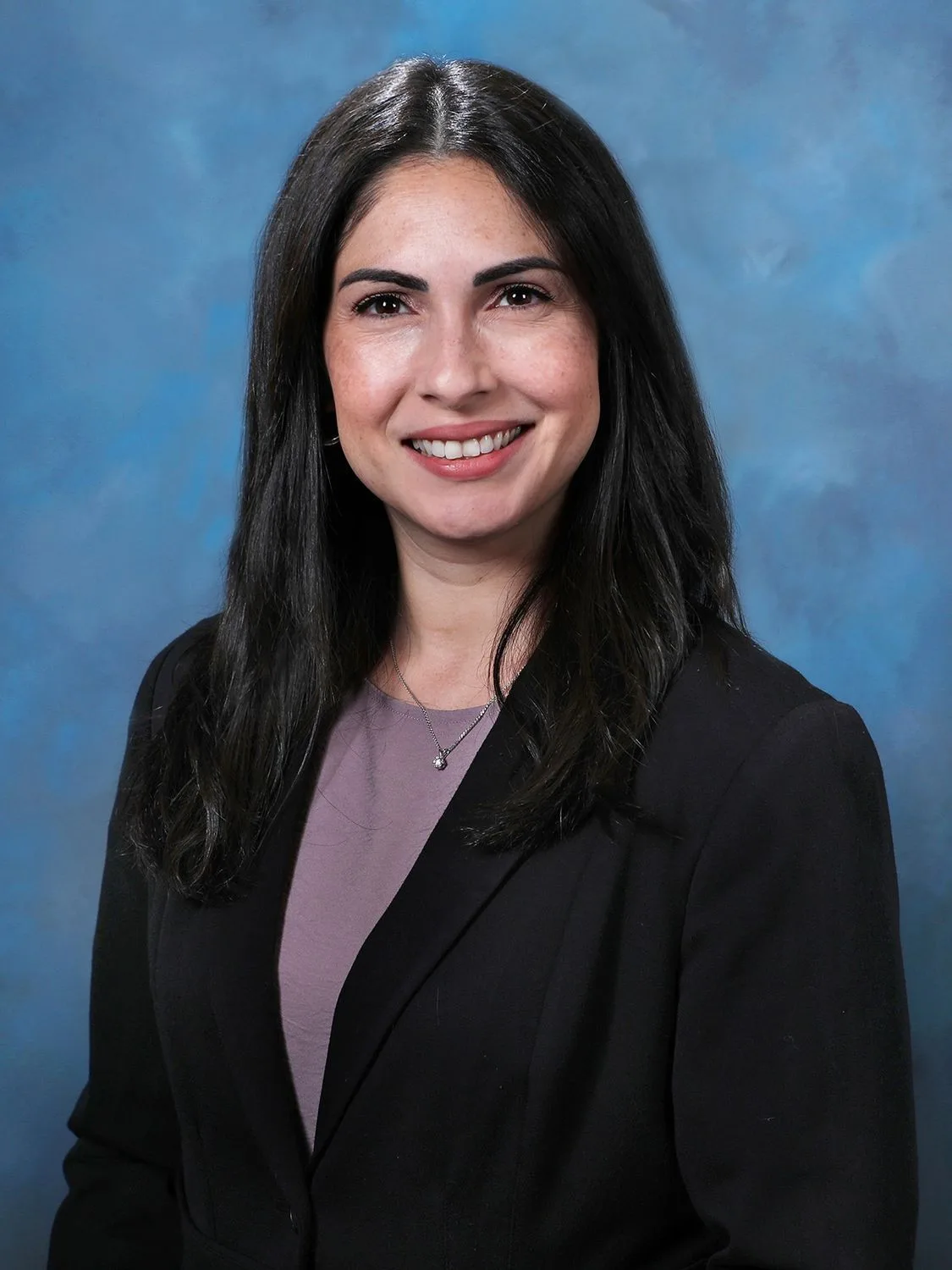
Meet Physicians Serving Long Beach


Frequently Asked Questions
Environmental Allergy Care Questions in Long Beach
The clinician looks for a reproducible relationship between symptoms and exposures at home, work, school, outdoors, or around animals before selecting tests or treatment.
A positive test is interpreted alongside the calendar and exposure history. The plan should prioritize measures that are realistic and likely to help rather than asking a patient to avoid every positive result.
Relevant information includes a seasonal and location-based symptom calendar, details about animals, work, school, and home exposures, and medicines tried and any prior skin or blood testing. This context helps the clinician focus on evidence that can change diagnosis, treatment, or day-to-day care.
Patient Testimonials
Front desk was very customer friendly. Doctor Steven actively listened to my symptoms, properly educated me, and provided a clear path tailored to my needs. In my opinion this is what good medical care looks like.
Appointments & Insurance
Scheduling made easy for your experience.
We work with many major insurance carriers.





Don’t see your carrier?
Insurance participation varies by plan, provider, network, and location. Please contact our team with your insurance card to confirm current participation.
Ready to schedule?
Call us or submit an online appointment request.
Have questions about insurance?
Have your insurance card ready and our team can help confirm current participation.
Is this a medical emergency?
Call 911 and follow your prescribed emergency action plan. Please do not use this form for emergencies.
 Request an Appointment
Live Well
Request a consultation with our Long Beach team.