Contact
  Locations
 .png) Call
Call Personalized Asthma Treatment in Long Beach, CA
Asthma treatment at Woodruff Avenue should be based on a measurable gap between current and desired control.


Clinical Overview
About Asthma Treatment in Long Beach
Asthma treatment is adjusted to symptom control, exacerbation risk, lung function, age, inhaler technique, and response. The aim is reliable control with the least treatment burden that safely achieves it, not a universal inhaler or one-time cure.
Include pharmacy or insurance barriers that interrupted access. These details show whether the issue is medication choice, delivery, adherence, exposure, diagnosis, or a combination.
The Long Beach visit can include inhaler and spacer demonstration, action-plan review, and discussion of controller strategies, allergy management, or biologic assessment for eligible patients. Changes depend on age, lung function, exacerbation risk, and previous response. An acute severe attack should not wait for routine follow-up.
For a broader clinical overview, read the asthma treatment guide.
Local clinic: Modena Health Long Beach, 3816 Woodruff Avenue, Suite 209, Long Beach, CA 90808. Phone: 562-496-4749.
Clinical references: NHLBI: Asthma Management Guidelines and FDA: Asthma.
Long Beach Care Team
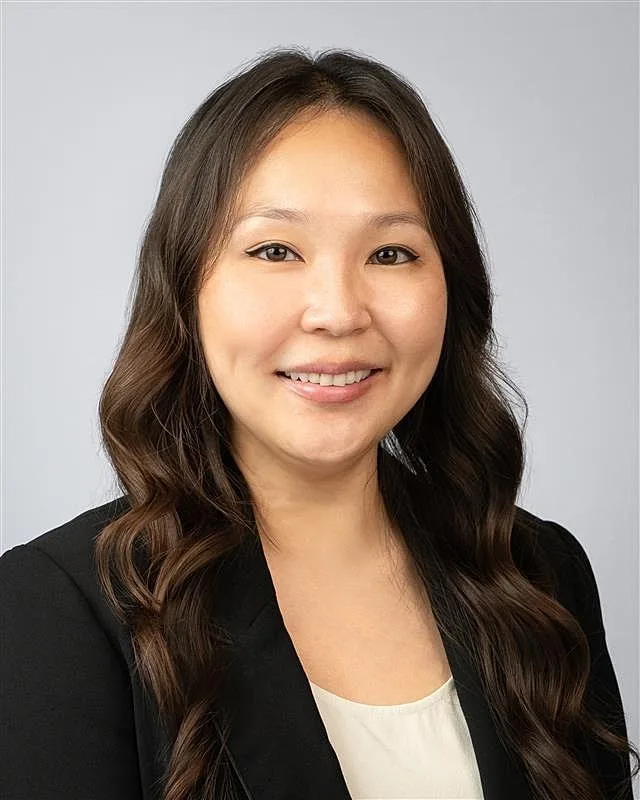
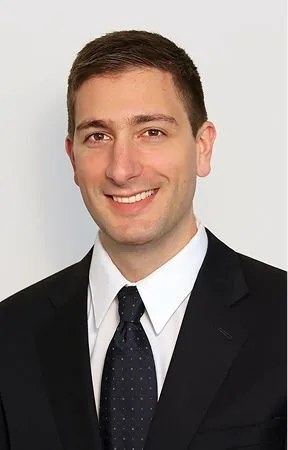
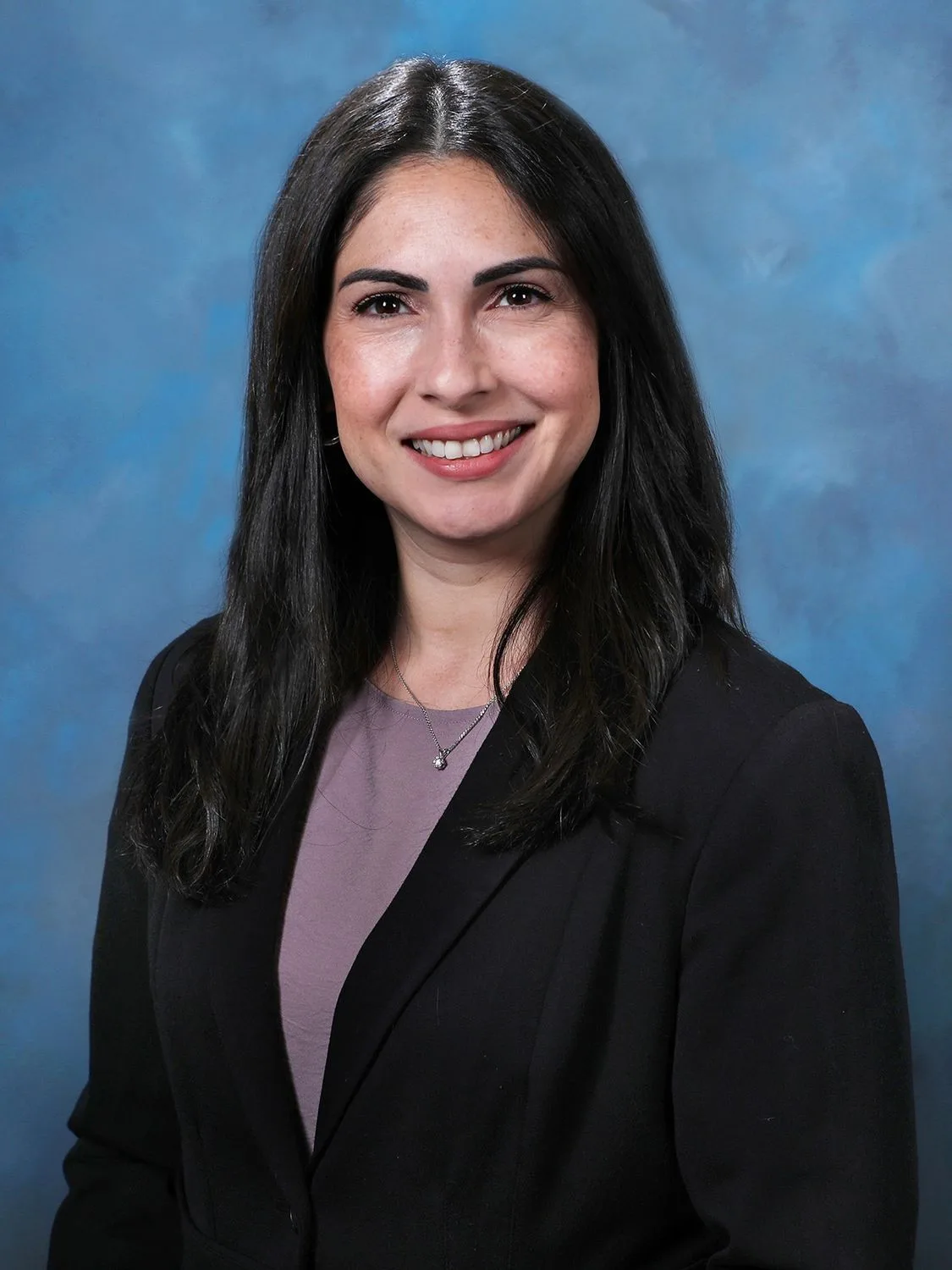
Meet Physicians Serving Long Beach


Frequently Asked Questions
Asthma Treatment Questions in Long Beach
The treatment visit checks whether the diagnosis and current regimen still fit, whether medicines reach the lungs correctly, and whether preventable risks are driving flares.
Options may include education, spacers, controller or rescue medicines, trigger management, immunotherapy for relevant allergy, or biologic evaluation for selected patients. Any change should be reflected in a written action plan.
Relevant information includes all inhalers, spacers, and current prescriptions, the written action plan and rescue-use history, and recent lung-function and exacerbation records. This context helps the clinician focus on evidence that can change diagnosis, treatment, or day-to-day care.
Patient Testimonials
Highly recommend Modena Allergy + Asthma in Long beach. They welcome my daughter and me with great hospitality and the front desk have been very helpful and sweet. The doctor has been an incredible help and helped me get answers that no other facility has been able to.
Appointments & Insurance
Scheduling made easy for your experience.
We work with many major insurance carriers.





Don’t see your carrier?
Insurance participation varies by plan, provider, network, and location. Please contact our team with your insurance card to confirm current participation.
Ready to schedule?
Call us or submit an online appointment request.
Have questions about insurance?
Have your insurance card ready and our team can help confirm current participation.
Is this a medical emergency?
Call 911 and follow your prescribed emergency action plan. Please do not use this form for emergencies.
 Request an Appointment
Live Well
Request a consultation with our Long Beach team.