Oral Immunotherapy Treatment Program in Long Beach, CA helps patients review oral immunotherapy goals, planning questions, and local next steps for food allergy care. The visit should be guided by symptom timing, exposure history, prior reactions, and the level of risk, not by a one-size-fits-all panel.

For Long Beach patients, care planning often needs to fit around school, port-area commutes, coastal air, indoor triggers in older homes or workplaces, and access to the Woodruff Avenue office. This page keeps the service path connected to Long Beach rather than a broad Southern California page.
Patients in Long Beach, Lakewood, Signal Hill, and nearby coastal communities can use this page to review oral immunotherapy goals, planning questions, daily routines, and follow-up expectations for food allergy care. The goal is to move from a broad symptom or diagnosis question to the most relevant local next step, without forcing every patient through the same sequence.
Before scheduling or discussing oral immunotherapy treatment program, write down symptom timing, suspected exposures, prior test results, current medications, and any severe reaction history. Bringing those details to the Long Beach care team makes the appointment more useful and helps avoid unnecessary or poorly targeted testing.
This local page also helps connect related care paths: food allergy, food immunotherapy, allergy testing, and blood testing pages. If the topic on this page is not the best match, use the local navigation to move to the closer service page or return to the Long Beach location page.
Oral Immunotherapy Treatment Program in Long Beach should be specific to the patient history, not copied from a generic allergy checklist. At Modena Allergy + Asthma - Long Beach, the visit starts with the allergen involved, reaction history, current avoidance, epinephrine readiness, and whether daily dosing can be handled reliably. The team also reviews coastal air, freeway particulates, indoor dust, pets, mold, and seasonal tree and grass pollen because local exposures can change how symptoms behave from one neighborhood to another.
Patients coming from patients from Long Beach, Lakewood, Signal Hill, Bixby Knolls, Belmont Shore, and Cerritos often need a plan that works around school, work, commute, travel, and home routines. For oral immunotherapy, the goal is a structured understanding of OIT risks, benefits, visit cadence, home dosing responsibilities, and follow-up needs. The Woodruff Avenue office is positioned for patients moving between Long Beach neighborhoods, Lakewood, and the 405 corridor.
What we review locally: food allergy history, prior testing review, emergency plan review, dosing schedule discussion, and monitoring expectations. The visit also connects symptoms to coastal air, freeway particulates, indoor dust, pets, mold, and seasonal tree and grass pollen, current medications, and any prior testing that may have been too broad, outdated, or disconnected from the real symptom pattern.
What to bring: prior food testing, reaction records, epinephrine devices, school forms, medication lists, and any notes from previous food challenges. If you have already seen urgent care, an ENT, a pediatrician, a pulmonologist, or a previous allergist, bring those records so the Long Beach team can avoid repeating work and focus on the next useful step.
3816 Woodruff Ave, Suite 209, Long Beach, CA 90808 is the local reference point for this care page. Call (562) 496-4749 if you need help choosing the right appointment type or confirming whether testing should be planned at the first visit.
the Long Beach allergy and asthma care team help patients connect symptoms, test results, treatment response, and follow-up. For oral immunotherapy, that means the page should answer local questions, not just repeat the same national overview.
OIT is not a casual treatment; it works best when the family understands dosing rules, sick-day guidance, and reaction protocols. After the visit, patients usually leave with a written next step, whether that means testing, medication changes, immunotherapy discussion, emergency planning, or follow-up monitoring.
Yes—when administered by trained specialists like those at Modena Allergy & Asthma, OIT is considered supervised and individualized. Each step of the program is carefully monitored to minimize risk and manage reactions. Your child’s safety is our top priority, and we provide 24/7 support throughout treatment.
OIT is commonly used to treat allergies to:
We will confirm your child’s specific allergy through testing before beginning treatment.
The program typically takes between 6 months and 2 years, depending on the child’s allergy, care planning level, and adherence to the dosing schedule. After reaching the maintenance phase, ongoing exposure is required to preserve care planning.
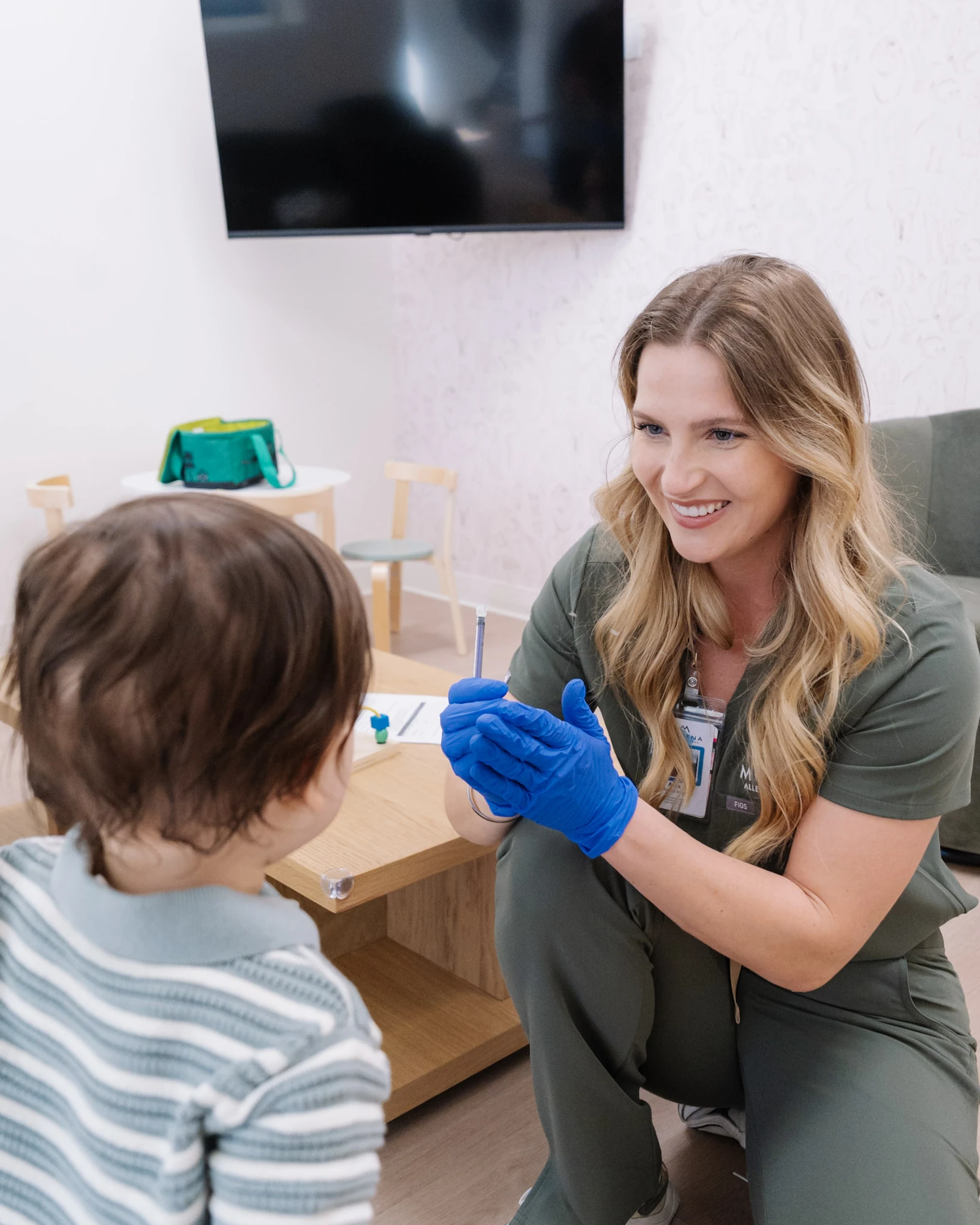
Children take a small, measured amount of the allergenic food daily—usually mixed with a food or drink. Doses are taken at home, with regular clinic visits to monitor progress and adjust dosing. Parents are given clear instructions and access to our team if questions arise.
Mild reactions such as itching in the mouth or stomach discomfort may occur, especially early in the program. serious reactions are rare but possible, which is why we closely monitor each patient and provide emergency protocols if needed.
Yes. While oral immunotherapy significantly reduces the risk of serious reactions, it does not eliminate the need for emergency preparedness. Your child should continue to carry an emergency action plan throughout the treatment process and beyond.
Absolutely—but with some precautions. We typically advise avoiding intense physical activity for at least two hours after each dose to reduce the chance of a reaction. We also provide documentation and support for school staff to support appropriate oversight during the program.
It’s important to take doses consistently. If a dose is missed, contact our office before giving the next one. Skipping or altering doses without medical guidance can increase the risk of a reaction.
You’ll notice fewer reactions to small exposures and increased peace of mind in day-to-day life. Most patients also reach a level of care planning that allows for controlled consumption of previously allergenic foods—some even achieve broader daily options. We’ll track your child’s progress closely and celebrate every milestone with you.
At our Long Beach clinic, treatment visits begin with a review of your diagnosis, prior care, current symptoms, and daily needs. Your provider explains available care paths, what to expect during follow-up, and how the plan can be adjusted over time.