Contact
  Locations
 .png) Call
Call Drug Allergy Testing and Evaluation in La Jolla, San Diego
A San Diego medication-allergy evaluation begins with reconstructing the event, especially when a label came from childhood or an inpatient stay.


Clinical Overview
About Drug Allergy Evaluation in La Jolla / San Diego
A medication reaction may reflect allergy, a predictable side effect, an interaction, or the illness being treated. Evaluation begins with the exact drug, timing, symptoms, and later exposures; selected patients may then need validated skin testing or a supervised drug challenge.
Record the drug, route, dose number, underlying illness, first symptom, elapsed time, treatment, and how long recovery took. Add related medications taken safely. This chronology helps separate immediate reactions, delayed syndromes, expected adverse effects, and symptoms of the original illness.
The clinician may consider validated testing or a supervised drug challenge for selected situations, but many medicines lack reliable commercial tests and some reaction histories make challenge inappropriate. The objective is a precise updated record, not blanket removal of a label. Never take the drug at home to test yourself.
The team can arrange an initial consultation, request records, and explain whether any monitored procedure would be considered at a separate visit.
For a broader clinical overview, read the drug allergy evaluation guide.
Local clinic: Modena Health La Jolla / San Diego, 9850 Genesee Avenue, Suite 710, La Jolla, CA 92037. Phone: 858-260-2977.
Clinical references: AAAAI Drug Allergy Practice Parameter and CDC: Penicillin Allergy.
La Jolla Care Team
Meet the La Jolla Team for Medication-Reaction Questions

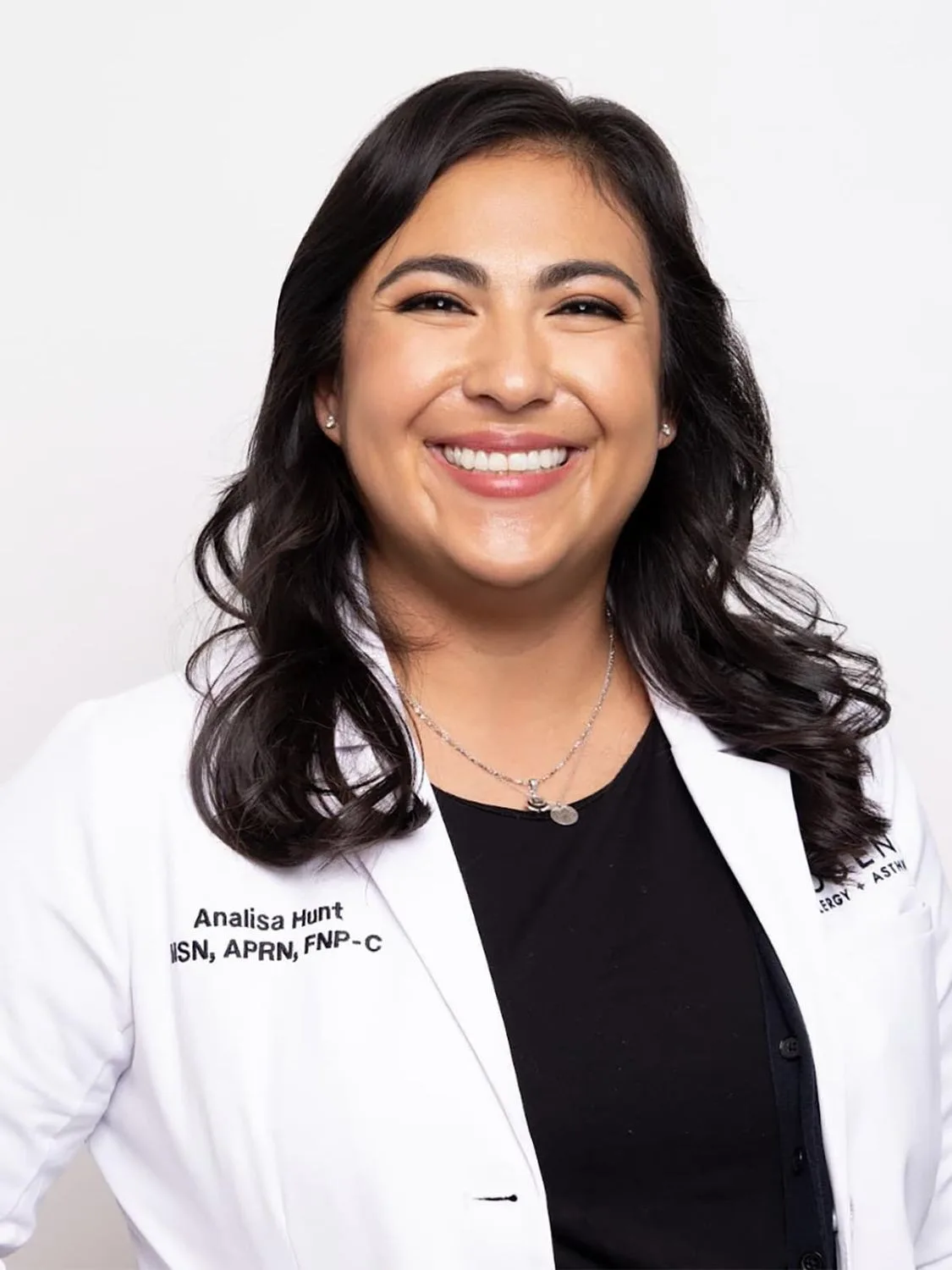


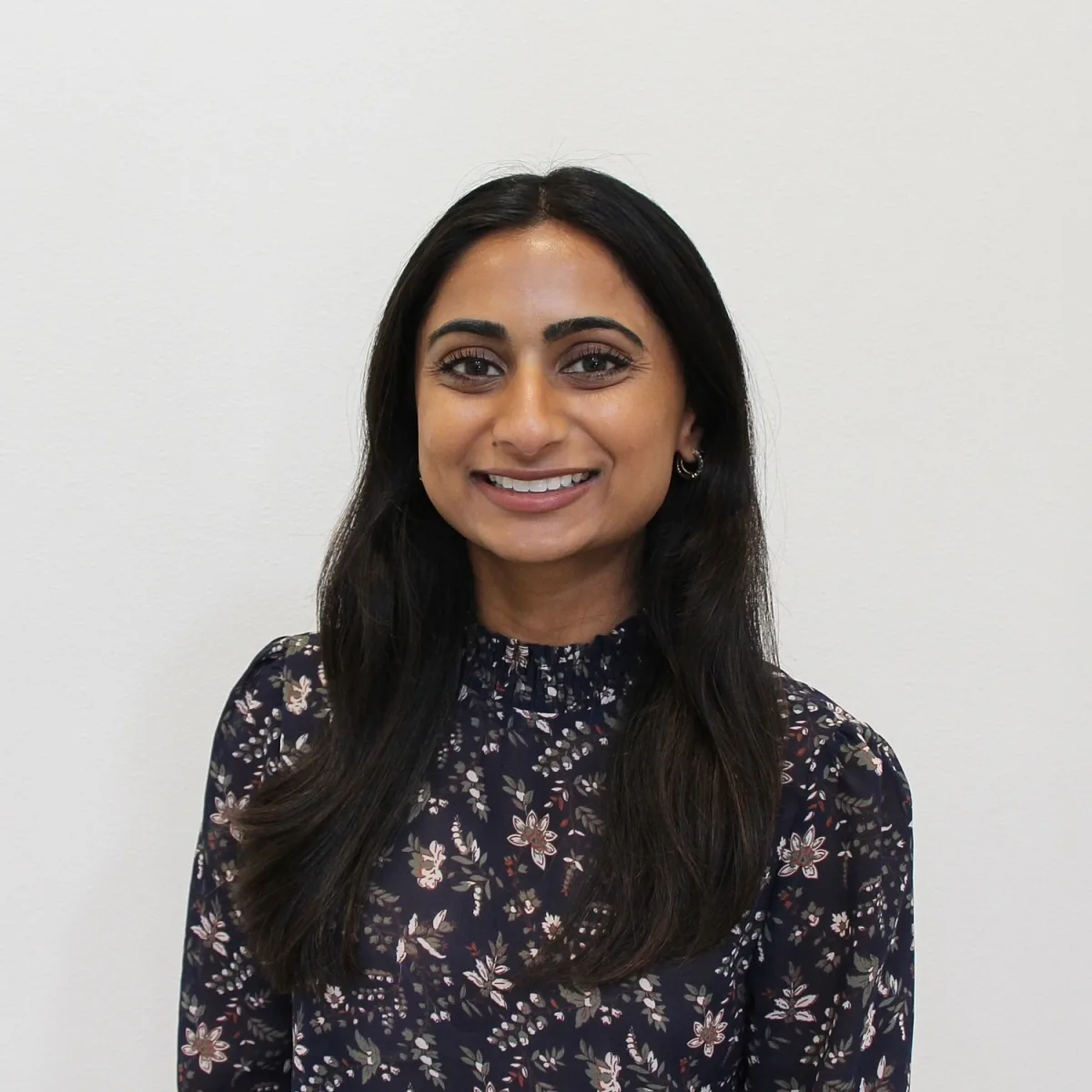
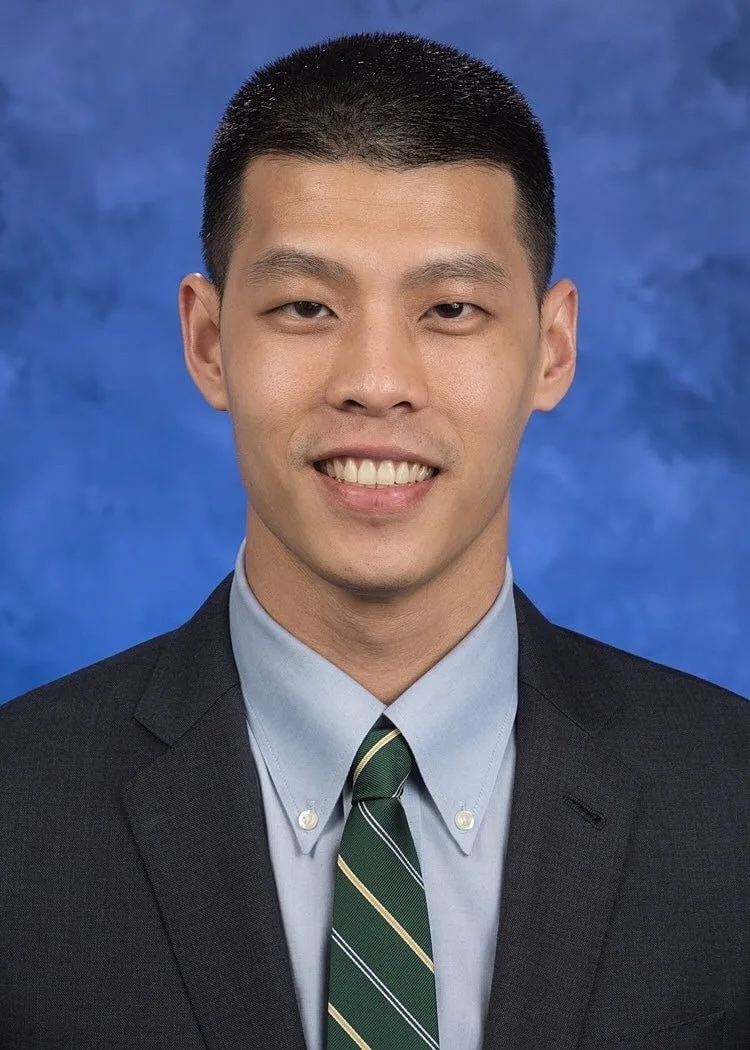
Frequently Asked Questions
Drug Allergy Evaluation Questions in La Jolla / San Diego
The purpose is to decide which medication should remain on the allergy list, whether a low-risk label can be clarified, and what alternatives or precautions are appropriate.
Testing is drug-specific. A challenge is performed only under medical supervision, while desensitization creates temporary tolerance for a necessary medication and is not a permanent cure.
Relevant information includes the medication name, dose, and reason it was prescribed, reaction photos, emergency records, and treatment details, and a list of related medicines taken before or since. This context helps the clinician focus on evidence that can change diagnosis, treatment, or day-to-day care.
Patient Testimonials
I like the Sharp Medical building location best. The staff are courteous and friendly, and Dr. Do has been very conscientious in helping me. He is having me try several different options. Hopefully, we can resolve the problem soon.
Appointments & Insurance
Scheduling made easy for your experience.
We work with many major insurance carriers.





Don’t see your carrier?
Insurance participation varies by plan, provider, network, and location. Please contact our team with your insurance card to confirm current participation.
Ready to schedule?
Call us or submit an online appointment request.
Have questions about insurance?
Have your insurance card ready and our team can help confirm current participation.
Is this a medical emergency?
Call 911 and follow your prescribed emergency action plan. Please do not use this form for emergencies.
 Request an Appointment
Live Well
Request a consultation with our La Jolla team.