Contact
  Locations
 .png) Call
Call Allergy Blood Testing in La Jolla, San Diego
Allergen-specific IgE testing in San Diego is best used to investigate selected exposures, not as a universal wellness panel.


Clinical Overview
About Allergy Blood Testing in La Jolla / San Diego
Targeted allergen-specific IgE blood testing can support an allergy evaluation when the history points to particular exposures. Results indicate sensitization, not the severity of a future reaction, and should not be used as a stand-alone food intolerance screen.
The clinician needs to know what symptoms followed the exposure and whether the patient has since tolerated it; without that context, a positive result may represent sensitization rather than disease.
At Genesee Avenue, older blood results can be compared with skin testing, challenge history, changes in diet, and the reason each panel was ordered. Repeat testing is useful only if it addresses a current decision. The number cannot guarantee reaction severity or diagnose a food intolerance. A thoughtful interpretation may support precautions, a supervised challenge discussion, additional focused evaluation, or no change.
For a broader clinical overview, read the allergy blood testing guide.
Local clinic: Modena Health La Jolla / San Diego, 9850 Genesee Avenue, Suite 710, La Jolla, CA 92037. Phone: 858-260-2977.
Clinical references: AAAAI: Allergy Testing and NIAID Food Allergy Guidelines.
La Jolla Care Team
La Jolla Providers for Focused Allergy Evaluation

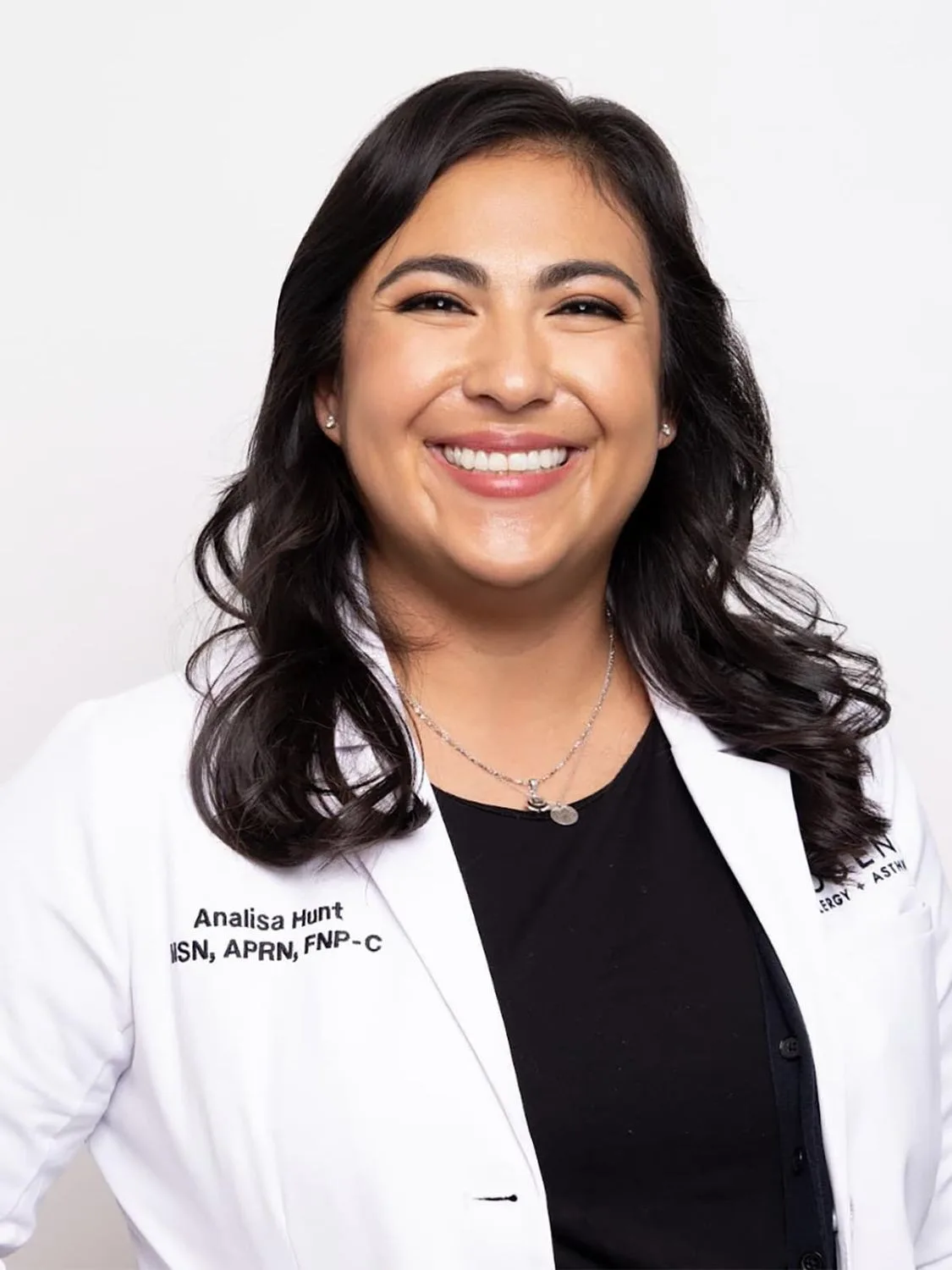




Patient Experience
What One La Jolla Patient Shared About the Visit
“We took our 8-year-old here for his allergy consultation last week and it was easily one of the best healthcare experiences we have had. The entire staff was exceptional. From the doctors to the nurses to the front desk staff, everyone was kind, knowledgeable and helpful. The office was well decorated, comfortable and they offered snacks and refreshments. We are looking forward to continuing the process with them and I will report back as the process moves forward.”
Frequently Asked Questions
Allergy Blood Testing Questions in La Jolla / San Diego
The clinical question is whether a carefully selected blood test can add useful evidence to the patient’s history, examination, and any prior skin testing or supervised challenge.
The clinician chooses individual allergens rather than ordering every available marker. The result may support avoidance, further evaluation, a monitored challenge, or no change at all depending on the pre-test history.
Relevant information includes the suspected exposure list rather than a broad wish list, prior laboratory and skin-test reports, and reaction dates, timing, symptoms, and treatments used. This context helps the clinician focus on evidence that can change diagnosis, treatment, or day-to-day care.
Appointments & Insurance
Scheduling made easy for your experience.
We work with many major insurance carriers.





Don’t see your carrier?
Insurance participation varies by plan, provider, network, and location. Please contact our team with your insurance card to confirm current participation.
Ready to schedule?
Call us or submit an online appointment request.
Have questions about insurance?
Have your insurance card ready and our team can help confirm current participation.
Is this a medical emergency?
Call 911 and follow your prescribed emergency action plan. Please do not use this form for emergencies.
 Request an Appointment