Contact
  Locations
 .png) Call
Call Inflammatory Eosinophilic Disease Care in La Jolla, San Diego
Eosinophilic disorders require organ-specific evidence.


Clinical Overview
About Eosinophilic Disease Evaluation in La Jolla / San Diego
Eosinophilic disorders are a group of conditions in which eosinophils contribute to inflammation in particular tissues or organs. Symptoms and diagnostic criteria differ by condition, so an elevated eosinophil count alone does not identify one diagnosis.
The same eosinophil value can have different significance depending on where inflammation is occurring and what other causes have been considered.
Genesee Avenue review may coordinate information from gastroenterology, pulmonology, dermatology, hematology, or pathology. The visit should identify the immediate clinical question, the clinician responsible for each organ, and the measurement that will show whether treatment is working.
Name the suspected eosinophilic condition and available biopsy or imaging when contacting La Jolla.
For a broader clinical overview, read the eosinophilic disease evaluation guide.
Local clinic: Modena Health La Jolla / San Diego, 9850 Genesee Avenue, Suite 710, La Jolla, CA 92037. Phone: 858-260-2977.
Clinical references: NIH: Eosinophilic Disorders and NIDDK: Eosinophilic Esophagitis.
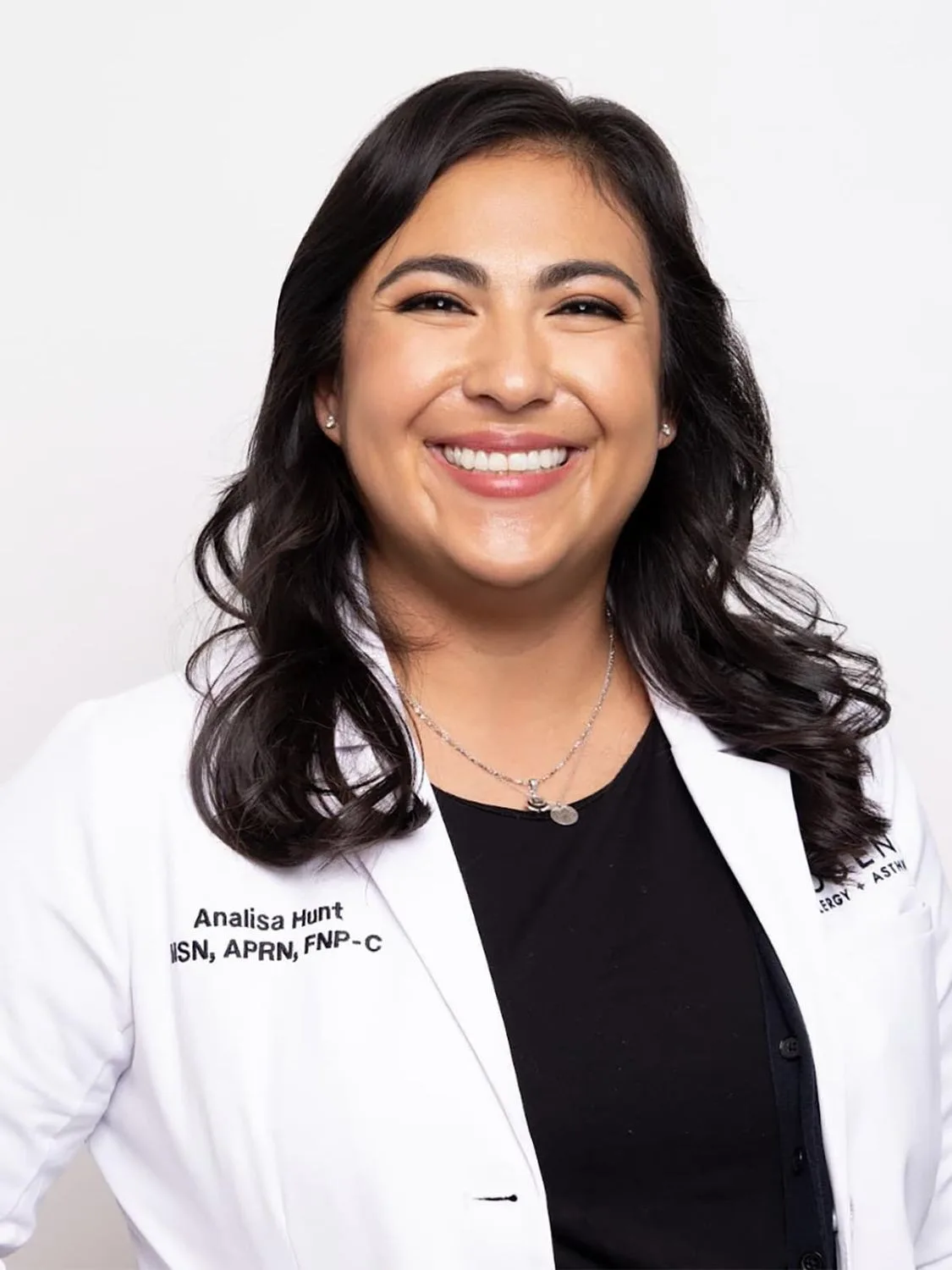
La Jolla Care Team
La Jolla Clinicians for Eosinophilic and Inflammatory Questions





Frequently Asked Questions
Eosinophilic Disease Evaluation Questions in La Jolla / San Diego
The visit defines which organ systems are involved, reviews blood counts and pathology when available, and decides whether allergy, gastroenterology, pulmonology, hematology, or another specialty should participate.
Diagnosis may require repeat laboratory testing, imaging, endoscopy, biopsy, or other targeted evaluation. Treatment is selected for the confirmed disorder and should not be inferred from eosinophil numbers alone.
Relevant information includes blood-count trends and any biopsy or pathology reports, endoscopy, imaging, pulmonary, or specialist records, and a symptom timeline and medicines already tried. This context helps the clinician focus on evidence that can change diagnosis, treatment, or day-to-day care.
Patient Testimonials
Very organized and professional office. Service was great and everyone was knowledgeable and friendly.
Appointments & Insurance
Scheduling made easy for your experience.
We work with many major insurance carriers.





Don’t see your carrier?
Insurance participation varies by plan, provider, network, and location. Please contact our team with your insurance card to confirm current participation.
Ready to schedule?
Call us or submit an online appointment request.
Have questions about insurance?
Have your insurance card ready and our team can help confirm current participation.
Is this a medical emergency?
Call 911 and follow your prescribed emergency action plan. Please do not use this form for emergencies.
 Request an Appointment
Live Well
Request a consultation with our La Jolla team.