Contact
  Locations
 .png) Call
Call Asthma Diagnosis and Long-Term Care in La Jolla, San Diego
An asthma diagnosis in San Diego should be supported by variable symptoms and, when feasible, objective lung information.


Clinical Overview
About Asthma Evaluation in La Jolla / San Diego
Asthma is a variable airway disease assessed through symptoms, trigger patterns, exacerbations, examination, and objective lung-function testing when feasible. A normal test between episodes does not always rule it out, and severe current breathing trouble requires emergency care.
Include urgent care and steroid courses. The pattern helps distinguish asthma from other upper-airway, cardiac, reflux, or breathing-mechanics concerns.
Technique can be observed, and the clinician can decide whether pulmonary-function or other testing is appropriate for current stability and age. Continue prescribed controller therapy unless specific preparation says otherwise.
Tell La Jolla staff whether the appointment is for diagnosis, a second opinion, or follow-up of known asthma.
For a broader clinical overview, read the asthma evaluation guide.
Local clinic: Modena Health La Jolla / San Diego, 9850 Genesee Avenue, Suite 710, La Jolla, CA 92037. Phone: 858-260-2977.
Clinical references: NHLBI: Asthma Management Guidelines and NHLBI: Asthma Attacks.
La Jolla Care Team
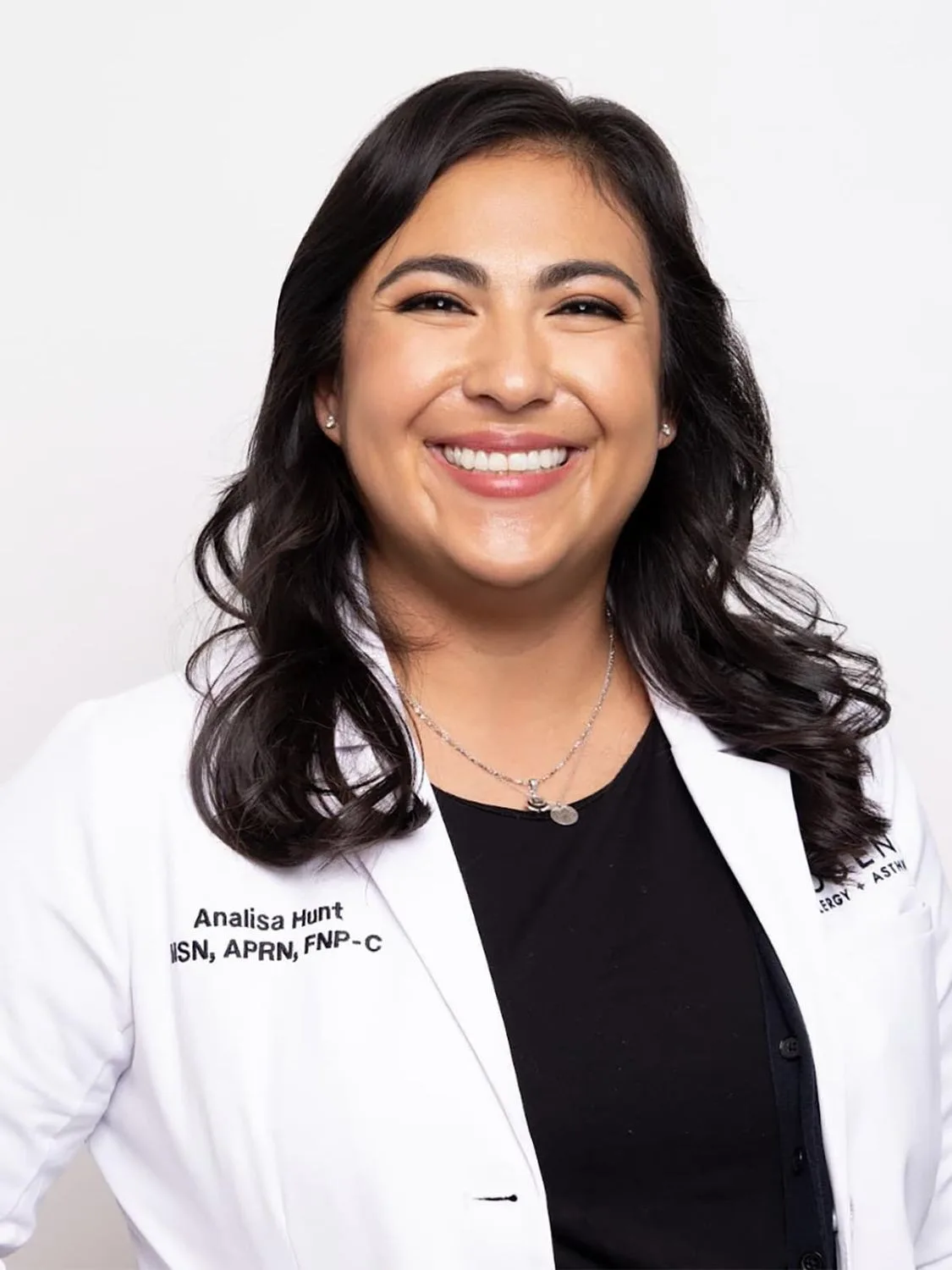
Meet the La Jolla Team for Asthma-Diagnosis Questions





Frequently Asked Questions
Asthma Evaluation Questions in La Jolla / San Diego
The evaluation distinguishes current symptom control from future exacerbation risk and checks diagnosis, inhaler technique, adherence, triggers, and coexisting nasal or reflux symptoms.
The care plan may include spirometry, an updated action plan, controller or rescue treatment, trigger management, or advanced therapy assessment. Medication choices depend on age, severity, risk, and response.
Relevant information includes all inhalers, spacers, and the current asthma action plan, recent urgent-care, emergency, or hospitalization records, and a symptom, rescue-use, and trigger timeline. This context helps the clinician focus on evidence that can change diagnosis, treatment, or day-to-day care.
Patient Testimonials
Dr Modena and his staff went above and beyond it was just our first visit. Thank you so Much!!!
Appointments & Insurance
Scheduling made easy for your experience.
We work with many major insurance carriers.





Don’t see your carrier?
Insurance participation varies by plan, provider, network, and location. Please contact our team with your insurance card to confirm current participation.
Ready to schedule?
Call us or submit an online appointment request.
Have questions about insurance?
Have your insurance card ready and our team can help confirm current participation.
Is this a medical emergency?
Call 911 and follow your prescribed emergency action plan. Please do not use this form for emergencies.
 Request an Appointment
Live Well
Request a consultation with our La Jolla team.