Contact Locations Call

Immune Disorder Evaluation in Hacienda Heights, CA

Immune disorder evaluation in Hacienda Heights, CA for recurring infection or immune-history concerns. Review local options and schedule care.

Happy family smiling outdoors together.

Planning immune disorder evaluation in Hacienda Heights

For Hacienda Heights and Hacienda Heights families, allergy and asthma visits often need to fit around school calendars, South Bay commutes, indoor exposures, and outdoor activity near parks, trails, and newer residential communities. This page keeps the next step tied to the Hacienda Heights office.

Patients in Hacienda Heights, CA, Otay Ranch, and nearby South Bay neighborhoods can use this page to organize recurring infection history, immune-related symptoms, and prior testing questions before a specialty visit. The goal is to move from a broad symptom or diagnosis question to the most relevant local next step, without forcing every patient through the same sequence.

Before scheduling or discussing immune disorder evaluation, write down symptom timing, suspected exposures, prior test results, current medications, and any severe reaction history. Bringing those details to the Hacienda Heights care team makes the appointment more useful and helps avoid unnecessary or poorly targeted testing.

This local page also helps connect related care paths: inflammatory disease, allergy testing, and respiratory condition pages. If the topic on this page is not the best match, use the local navigation to move to the closer service page or return to the Hacienda Heights location page.

Immune Disorder Evaluation in Hacienda Heights

A local plan for Hacienda Heights and the eastern San Gabriel Valley patients

Immune Disorder Evaluation in Hacienda Heights should be specific to the patient history, not copied from a generic allergy checklist. At Modena Allergy + Asthma - Hacienda Heights, the visit starts with how often infections occur, which organs are affected, whether antibiotics are repeatedly needed, and whether hospital care has been required. The team also reviews foothill pollen, dry inland air, dust, pets, freeway exposure, and smoke during regional fire season because local exposures can change how symptoms behave from one neighborhood to another.

Patients coming from patients from Hacienda Heights, Rowland Heights, La Puente, Walnut, West Covina, and Whittier often need a plan that works around school, work, commute, travel, and home routines. For immune disorder evaluation, the goal is a clearer immune workup plan and a practical next step for prevention, monitoring, referral, or treatment. The Azusa Avenue office gives eastern San Gabriel Valley families a closer option for testing, treatment planning, and follow-up.

What We Review

What we review locally: infection timeline review, vaccine and antibiotic history, immune-focused labs when appropriate, and follow-up planning for abnormal results. The visit also connects symptoms to foothill pollen, dry inland air, dust, pets, freeway exposure, and smoke during regional fire season, current medications, and any prior testing that may have been too broad, outdated, or disconnected from the real symptom pattern.

How to Prepare

What to bring: infection dates, culture results, vaccine records, prior immune labs, imaging, hospital notes, and antibiotic history. If you have already seen urgent care, an ENT, a pediatrician, a pulmonologist, or a previous allergist, bring those records so the Hacienda Heights and the eastern San Gabriel Valley team can avoid repeating work and focus on the next useful step.

Local Care Details

Immune Disorder Evaluation with Modena Allergy + Asthma

1850 S. Azusa Avenue, Suite 206, Hacienda Heights, CA 91745 is the local reference point for this care page. Call 626-810-5450 if you need help choosing the right appointment type or confirming whether testing should be planned at the first visit.

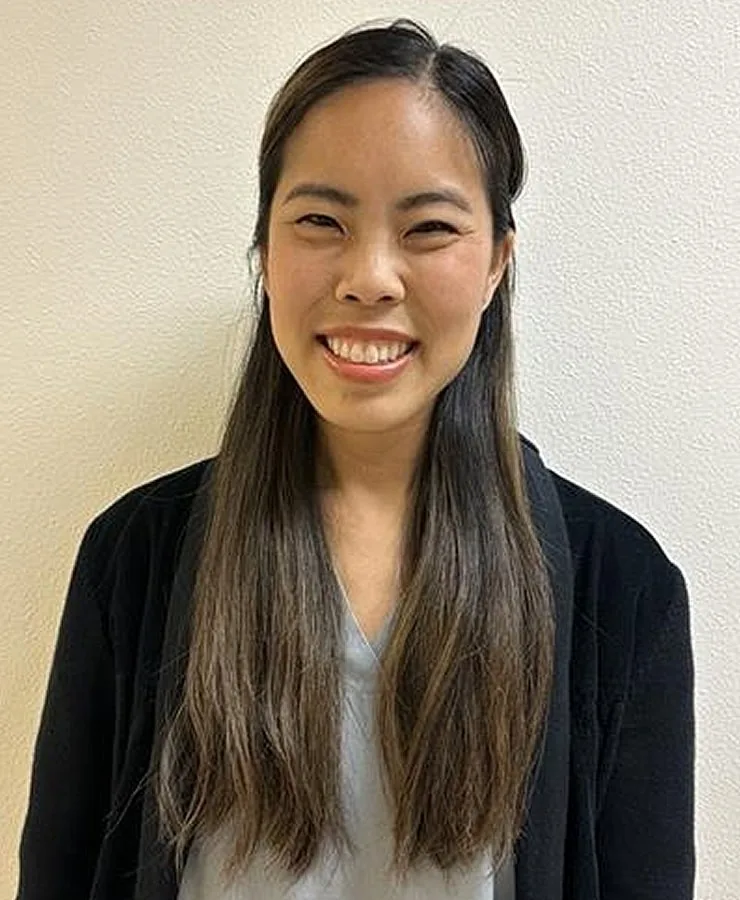
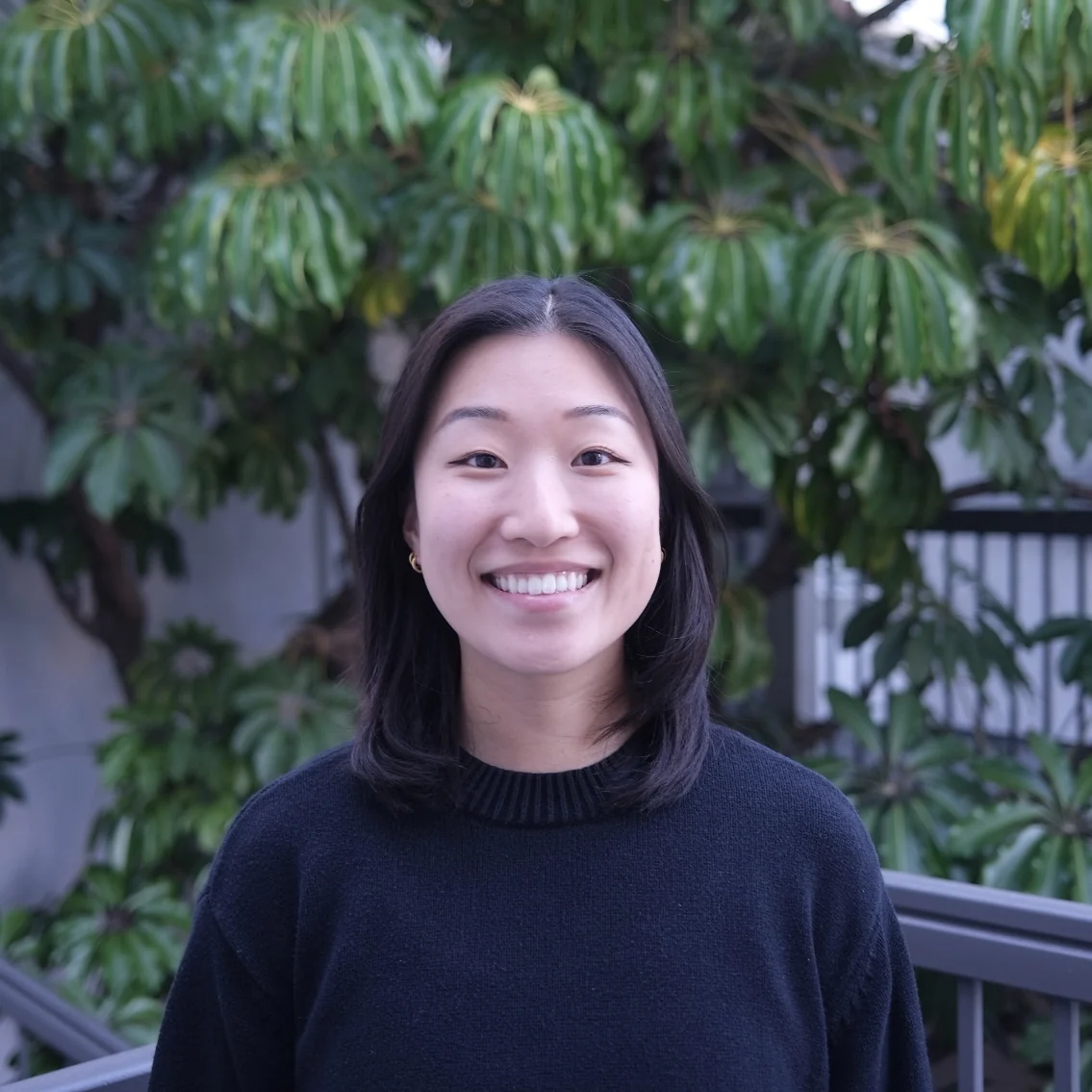
Dr. Stephen Wong, Adrienne Chan, and Susana Rangel help patients connect symptoms, test results, treatment response, and follow-up. For immune disorder evaluation, that means the page should answer local questions, not just repeat the same national overview.

The visit separates common recurrent infections from patterns that suggest a deeper immune-system concern. After the visit, patients usually leave with a written next step, whether that means testing, medication changes, immunotherapy discussion, emergency planning, or follow-up monitoring.

Immune Disorders

Frequently Asked Questions

With our immune disorder treatment Hacienda Heights patients should know that the need for lifelong treatment varies depending on the specific condition and individual circumstances. Some immune disorders require ongoing management to maintain health, while others might improve over time or respond well to short-term treatments. By understanding your unique situation, our team can provide guidance on what to expect and how best to manage your condition for optimal well-being.

Navigating insurance for allergy and asthma care can be tricky—some plans cover testing and treatment, while others might not. At Modena Health, we're here to help you understand your options. Our friendly team will guide you through the process, ensuring clarity on what's covered and assisting with any financial concerns. We aim to make your experience as seamless as possible so you can focus on what truly matters: your health and well-being. Reach out today to explore your coverage options with ease.

Local Immune Disorder Visit Details

Immune-history review in Hacienda Heights

At 1850 S. Azusa Avenue, Suite 206, Hacienda Heights, CA 91745, immune disorder evaluations are organized around recurring infections, unusual infection patterns, previous lab work, vaccine history, antibiotic use, and overlapping allergy or asthma concerns.

Hacienda Heights patients can call 626-810-5450 to schedule and should bring prior immune labs, infection timelines, specialist notes, and medication history.

The local plan may include reviewing whether additional testing is appropriate, coordinating next steps, and explaining what findings mean for follow-up and prevention.