Contact
  Locations
 .png) Call
Call Immune Disorder Evaluation in Torrance, CA
An immune evaluation in Torrance should align infection history with objective records.


Clinical Overview
About Immune Disorder Evaluation in Torrance
An immune evaluation is considered when infections are unusually frequent, severe, persistent, difficult to treat, or caused by uncommon organisms. The goal is not to “boost” the immune system but to determine whether a specific immune function needs further assessment.
List dates, infection sites, diagnostic tests or organisms, treatment length, response, complications, and hospitalization. Include childhood growth, vaccine history, family immune disease, autoimmune findings, and medicines that can suppress immunity. Unusual type and severity are often more informative than the number of routine colds.
The clinician can decide whether abnormalities persist and whether respiratory anatomy, exposure, medication, or another condition explains the pattern. Testing is typically staged.
Staff can identify records needed for an integrated allergy, immunology, or pulmonary review.
For a broader clinical overview, read the immune disorder evaluation guide.
Local clinic: Modena Health Torrance, 23600 Telo Avenue, Suite 130, Torrance, CA 90505. Phone: 310-833-1334.
Clinical references: AAAAI: Primary Immunodeficiency Practice Parameter and NIH: Primary Immunodeficiency Diseases.
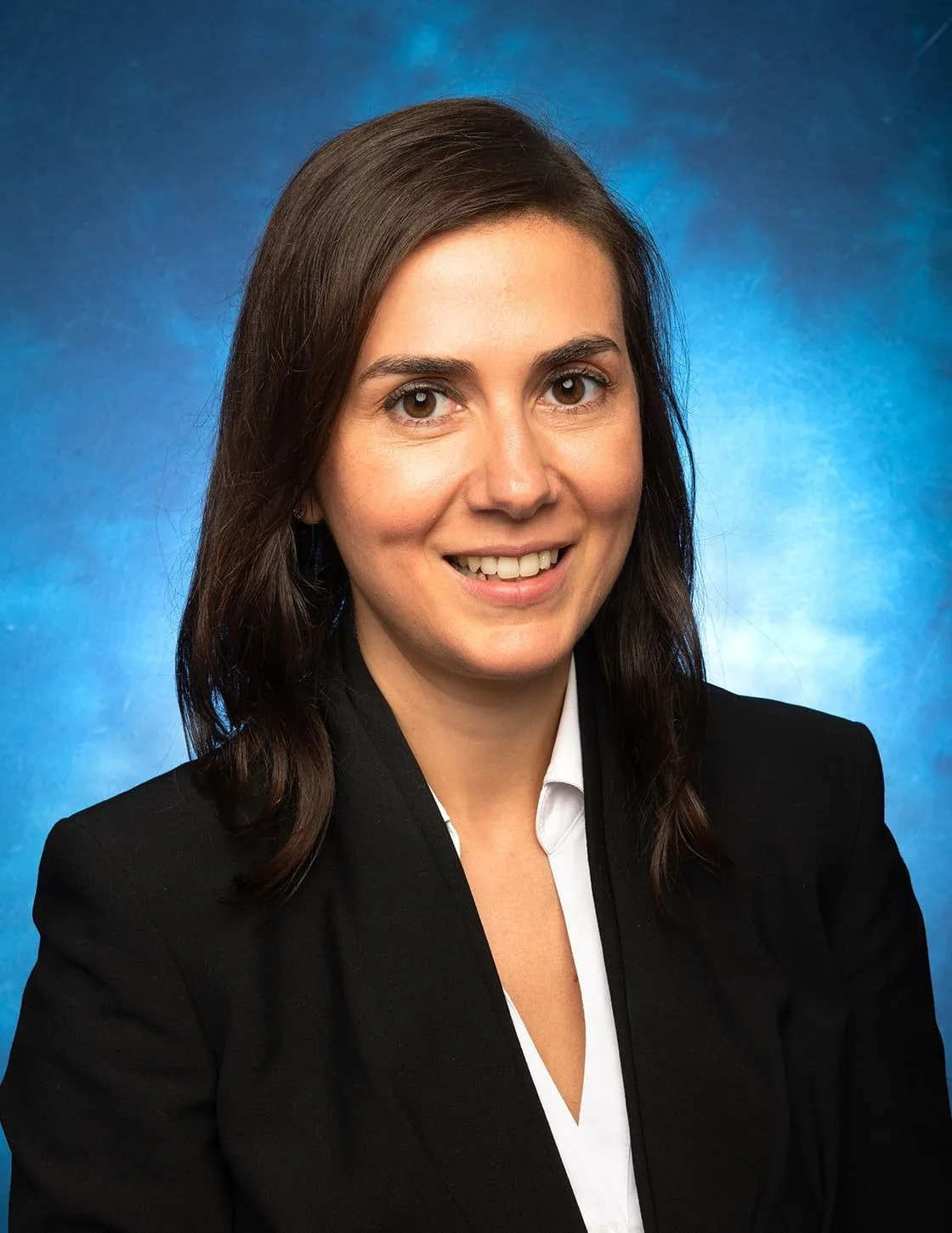
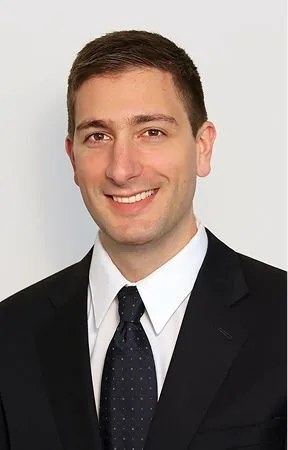
Torrance Care Team
Torrance Providers for an Initial Immune-System Question

Frequently Asked Questions
Immune Disorder Evaluation Questions in Torrance
The clinician reviews infection type, culture results, treatment response, growth or weight changes, family history, autoimmune features, medicines, and prior laboratory findings.
Testing is staged and individualized. Initial blood counts or immunoglobulin measurements may be useful in some cases, while other histories point first to an anatomic, respiratory, infectious, or nonimmune explanation.
Relevant information includes a dated infection and antibiotic history, culture, imaging, vaccine, and laboratory records, and family history and a complete medication list. This context helps the clinician focus on evidence that can change diagnosis, treatment, or day-to-day care.
Patient Testimonials
Dr. Banka was so thorough and VERY nice. Really like this office and the staff is also very nice. Definitely recommend this practice!
Appointments & Insurance
Scheduling made easy for your experience.
We work with many major insurance carriers.





Don’t see your carrier?
Insurance participation varies by plan, provider, network, and location. Please contact our team with your insurance card to confirm current participation.
Ready to schedule?
Call us or submit an online appointment request.
Have questions about insurance?
Have your insurance card ready and our team can help confirm current participation.
Is this a medical emergency?
Call 911 and follow your prescribed emergency action plan. Please do not use this form for emergencies.
 Request an Appointment
Live Well
Request a consultation with our Torrance team.