Contact
  Locations
 .png) Call
Call 
Living With Allergies
Can You Become Allergic to a Cat After Years?
It is possible to develop an allergy after years of living with a cat. New symptoms around a familiar pet still need an individual assessment: the timing does not establish that the cat is the cause, and a previous symptom-free period does not settle the question either.
Why a familiar cat can become part of a new allergy question
Allergy can develop in adulthood, including after earlier years without a recognized problem. Cleveland Clinic discusses adult-onset allergy. For someone who has lived with the same cat for years, that possibility can be surprising and emotionally difficult.
The first clinical question is what changed in your health, rather than what should happen to the pet. An assessment can consider the new symptoms, the household context and any earlier allergy history before the family draws a conclusion about the animal.



LONG BEACH, CA
3816 Woodruff Ave, Suite 209Long Beach, CA 90808
environmental allergy testing in Long Beach
SCOTTSDALE, AZ
4835 E Cactus Rd., Suite 130Scottsdale, AZ 85254
environmental allergy testing in Scottsdale


SOLANA BEACH, CA
462 Stevens Ave, Suite 300Solana Beach, CA 92075
environmental allergy testing in Solana Beach

SAN GABRIEL VALLEY, CA
207 S Santa Anita St. Suite 335San Gabriel, CA 91776
environmental allergy testing in San Gabriel Valley
HACIENDA HEIGHTS, CA
1850 S. Azusa Avenue, Suite 206Hacienda Heights, CA 91745
environmental allergy testing in Hacienda Heights
HUNTINGTON BEACH, CA
17742 Beach Boulevard, Suite 310Huntington Beach, CA 92647
environmental allergy testing in Huntington Beach
NORTH SCOTTSDALE, AZ
21803 N Scottsdale Rd., Suite 200Scottsdale, AZ 85255
environmental allergy testing in North ScottsdaleCat proteins, fur and the surrounding environment
Cat allergy concerns proteins associated with the animal, not simply the visible amount of fur. ACAAI explains cat and dog allergens and how exposure can occur. The presence or absence of shed hair is therefore not a reliable way to establish an allergy.
A home also contains many exposures unrelated to the cat. A new pattern that happens mainly at home is relevant to the history but does not separate those possibilities by itself. The aim of evaluation is to connect symptoms with clinically meaningful evidence, rather than blame the most noticeable household change.
Discuss Pet Related Symptoms With an Allergist
Discuss your questions with the Modena Health team and arrange the appropriate consultation.
What “after years” adds to the appointment history
| Observation | Question for the clinician |
|---|---|
| Years in the same household without noticed symptoms | Does this appear to be a new concern or an earlier pattern that has become more noticeable? |
| Symptoms in particular rooms or at particular times | What other circumstances belong in the assessment? |
| Symptoms outside the home as well | Does a cat-related explanation account for the full history? |
| Earlier allergy reports | Do those results address the current question? |
For example, an account that includes symptoms at home, at work and on trips gives the clinician more context than an assumption that every episode is caused by the cat. Existing observations are useful; the article is not asking you to create deliberate exposures or run a household experiment.













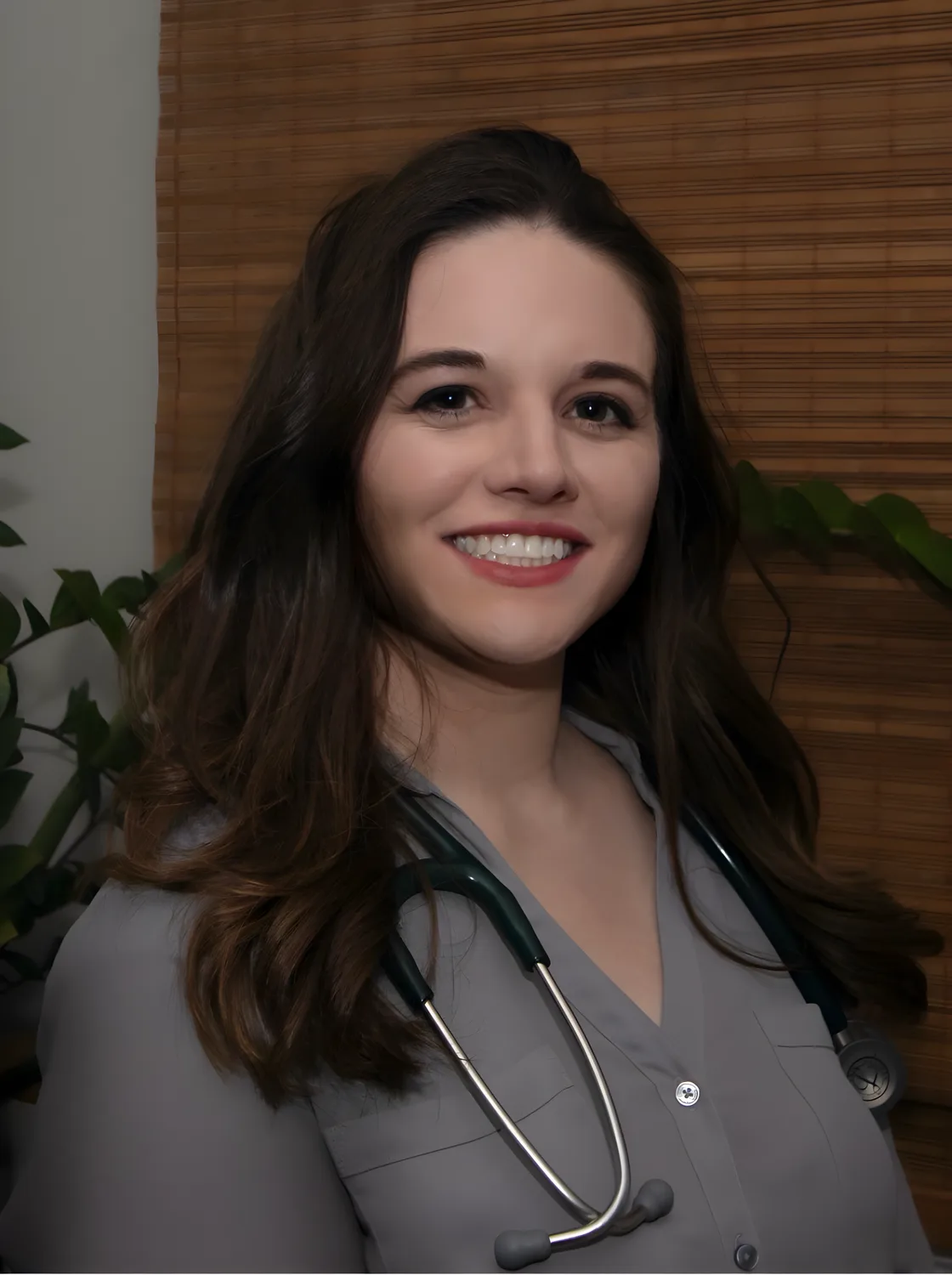










What a consultation can clarify before a household decision
An allergist can assess whether a pet-related allergy fits the history and discuss whether targeted testing would help. The pet allergy condition page covers evaluation more broadly. No test or consultation should be presented as a guarantee that a particular living arrangement will work for every patient.
A family's priorities also belong in the conversation. Concerns about shared housing, a child's symptoms or conflicting advice from different sources can be discussed directly. The clinician needs to understand the question the family is actually facing, not only the name of a suspected allergen.
Connecting the result with ongoing care
After assessment, useful questions include what has been established, what uncertainty remains and who will review continuing symptoms. The next discussion may be different if the cat is clinically relevant than if another explanation is identified.
Our living with a pet article focuses on family and care-team questions after a pet concern arises. A Modena consultation can begin with the narrower issue here: why symptoms have appeared now, after years with a familiar animal.
How to test the cat hypothesis
A reaction that begins after years with the same cat does not prove that the cat caused it. Sensitization can change, but so can the home: dust mites, pollen carried indoors, cleaning products, and a new room or workplace may affect the same symptoms. Cat allergens come from more than fur, so a short-haired cat is not a reliable way to rule out exposure.
Compare symptoms at home and away, note whether they change during cleaning or close contact, and discuss targeted testing with an allergist. The result should be interpreted alongside this history before making a major household decision.
Questions Patients Ask
Can I become allergic to the same cat I have had for years?
It is possible, but the cat should not be assumed to be the cause without assessment. Your current history and earlier symptom-free period can both be discussed.
Does a reaction around one cat prove a cat allergy?
One setting or episode does not establish the diagnosis. The clinician can consider other exposures and whether the pattern is consistent across situations.
Does this mean I have to give up my cat?
This article cannot make that decision. A consultation can address the evidence, your health concerns and the household questions that depend on an individual care plan.
Appointments & Insurance
Scheduling made easy for your experience.
We work with many major insurance carriers.





Don’t see your carrier?
Insurance participation varies by plan, provider, network, and location. Please contact our team with your insurance card to confirm current participation. View participating plans.
Ready to schedule?
Call us or submit an online appointment request.
Have questions about insurance?
Have your insurance card ready and our team can help confirm current participation.
Is this a medical emergency?
Call 911 and follow your prescribed emergency action plan. Please do not use this form for emergencies.
 Request an Appointment
Sources
- Cleveland Clinic: Can you develop allergies as an adult?
- ACAAI: Pet allergies
- ACAAI: Pet allergies